
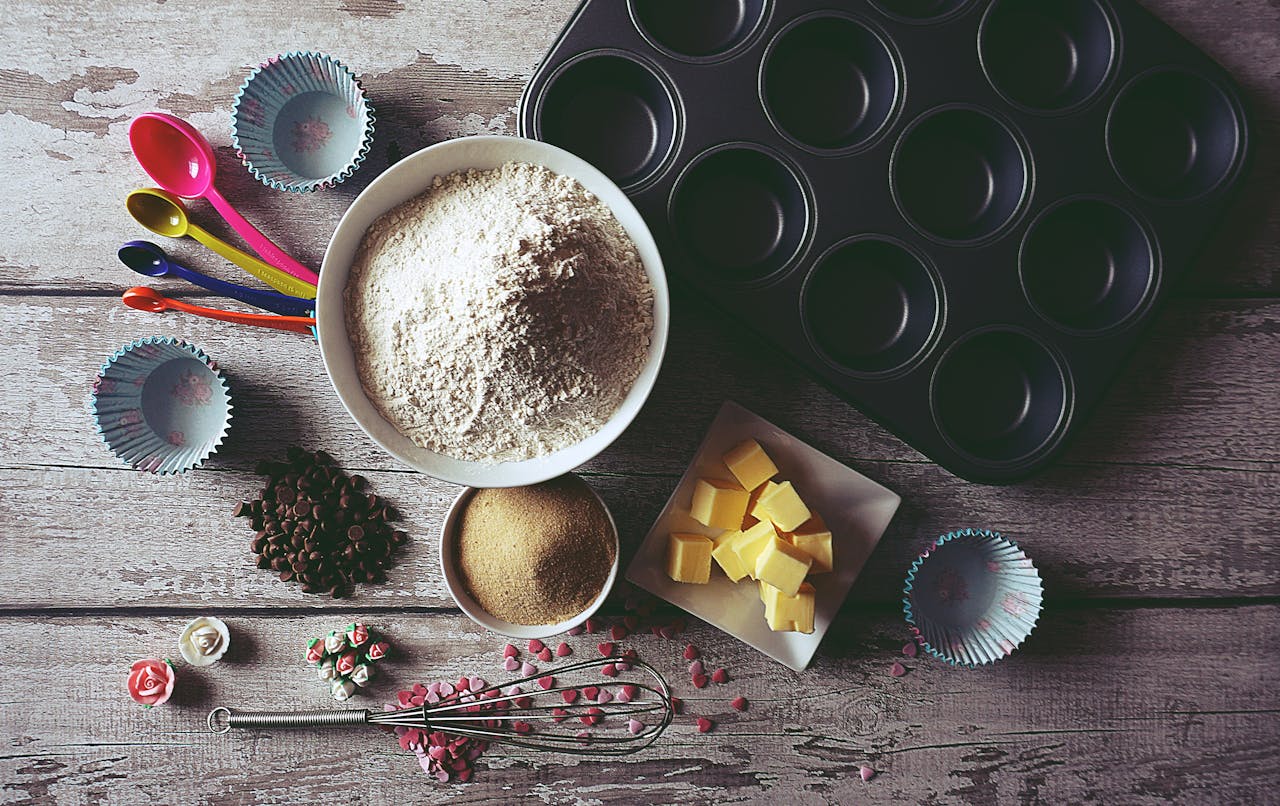
Baking for a group sounds lovely in theory. The smell of warm sponge, trays cooling on the counter, friends arriving to something homemade. Yet in practice, it can feel rushed and overwhelming. Timing slips, decorations wobble, and suddenly the kitchen feels more like a production line than a pleasure.
The difference between stressful baking and enjoyable baking is rarely skill. It’s planning, structuring, and choosing the right type of bake for the situation. When you approach gatherings with a calmer strategy, baking becomes part of the celebration rather than a task to survive. Here’s how to make that happen.
Start With the Occasion, Not the Recipe
Most stress begins when we pick a bake that suits Instagram rather than the event.
Ask three simple questions first:
- Will people be standing or sitting?
- How long will the food sit out?
- How many conversations will interrupt me while serving?
A delicate layered cake with soft icing struggles at a garden party. Intricate piping feels unnecessary for a casual afternoon tea. The most successful gathering bakes are those that match the environment.
Reliable options include:
- Sheet pan cake cut into portions
- Cupcakes that need no slicing
- Loaf cakes that hold moisture
- Cookies that can be passed around
Choosing appropriately reduces serving pressure immediately.
Bake in Stages, Not All at Once
Trying to complete everything on the day is the fastest way to lose enjoyment. Good baking spreads naturally across days.
Two days before: Make doughs, biscuit mixes, or sponge layers that freeze well.
One day before: Bake and store airtight. Prepare fillings and icings.
Event day: Decorate lightly, assemble, and plate.
Most cakes actually improve after resting overnight. Flavors settle, and textures soften. What feels like “doing it early” is usually doing it better.
Use the Freezer as a Tool, Not a Last Resort
Freezing isn’t cheating. Professional kitchens rely on it constantly because it protects timing.
You can freeze:
- Sponge layers
- Brownies and sheet pan cakes
- Cookie dough balls
- Un-iced cupcakes
Wrap well, defrost slowly at room temperature, and they taste freshly baked. This removes the pressure of having only one chance to get everything right.
Choose Decorations That Help You, Not Fight You
Complicated decoration causes more panic than baking itself. For gatherings, appearance should be attractive but forgiving.
Stress-free finishes include:
- Dustings of icing sugar
- Simple drizzles
- Fresh fruit
- Rustic buttercream swirls
People remember flavor far longer than precision piping. If you want a polished presentation without spending hours decorating, ordering a centerpiece from a specialist, such as Sweet Tops, allows you to focus your energy on smaller homemade treats that complement it.
Portion Control Prevents Chaos
Large cakes often create a serving bottleneck. Someone must cut, plate, and distribute while guests wait.
Instead, design your bakes to serve themselves:
- Pre-slice sheet pan cake before guests arrive
- Use cupcake cases rather than loose muffins
- Stack cookies in small piles
- Provide napkins nearby
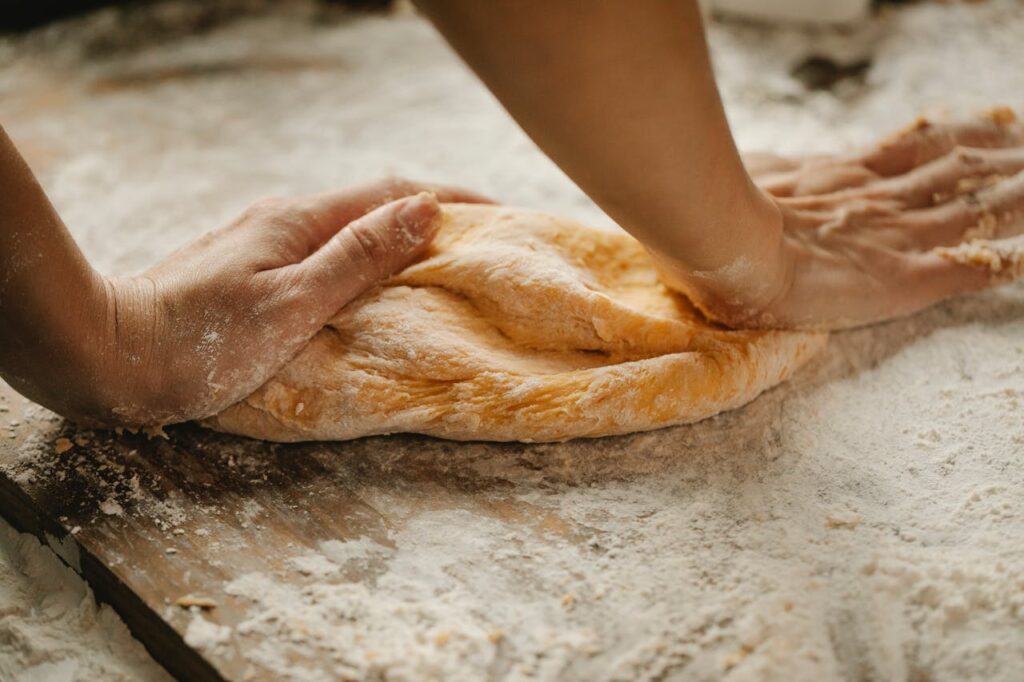
When food flows naturally, the host relaxes too.
Keep One Recipe Familiar
Gatherings aren’t the moment to test a complicated new technique. Include at least one bake you can make almost automatically. Familiar recipes anchor the process and give confidence, even if other items behave unpredictably.
This also saves mental energy. You’ll already be managing drinks, greetings, and conversation. Simplicity supports enjoyment.
Build a Calm Kitchen Timeline
A written timeline dramatically reduces the mental load. Instead of constantly remembering tasks, you follow a list.
Example:
Morning
- Remove butter from fridge
- Prepare toppings
- Clear cooling space
Midday
- Decorate cakes
- Plate cookies
One hour before
- Brew tea or coffee prep
- Set out serving tools
Your mind stays free to enjoy the occasion rather than track details.
The Real Secret
Baking for gatherings becomes enjoyable when you stop treating it as a performance. Plan around your time, choose forgiving recipes, and prepare early. When the kitchen feels calm, the event does too.
Good hosting isn’t about impressing guests; it’s about being present with them. And the best baking supports that, quietly and confidently, in the background.