

A sudden fall in the bathroom. Dizziness while reaching for something on a high shelf. A medical problem that comes without warning. As you age, everyday events that used to be routine for you may start to seem quite dangerous. While independence still matters deeply, safety concerns often sit in the back of your mind, especially if you spend time alone during the day or night.
At the same time, depending on others to constantly watch over you does not sound practical or dignified. What you need is a means to be protected without the disruption of day-to-day life.
This article explains why it is essential to have a reliable life alert system in order to provide safety in daily life, and how it helps in ensuring confidence, independence, and faster emergency response for older people.
1. Immediate Help During Unexpected Emergencies
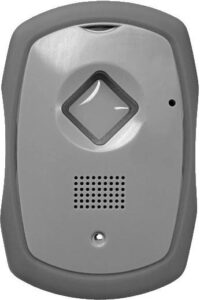
Emergencies rarely provide warnings. A slip, chest pain, or sudden weakness can result in your not being able to reach a phone in time. That delay often transforms a manageable situation into a serious one.
This is where life alert for elderly safety systems play a critical role. With the press of a button on any wearable device, you can reach out to the trained emergency responders in an instant. Because the device stays with you, help is always with you, whether you are in the bedroom, bathroom, or the living room.
More importantly, some systems feature automatic fall detection. When a hard fall happens, and you are unable to make it to the button, an alert is sent by the device. As a result, assistance is sent out even when you cannot speak or move.
2. Protection That Works Inside And Outside Home
Safety risks don’t disappear when you step outside your front door. A walk around the neighborhood, a trip to the store, or a visit to a friend can present unexpected situations.
Mobile alert systems provide protection to areas beyond the home. With built-in GPS, responders can determine where you are in the case of an emergency at hand. This is valuable particularly if confusion, fatigue, or disorientation develops.
Because these devices are designed to fit into your daily life, they continue to work whether you are indoors or outdoors. As a result, you are not confined to staying at home just to feel safe. Instead, you retain freedom while being protected all along your day.
3. Support During Falls And Mobility Challenges
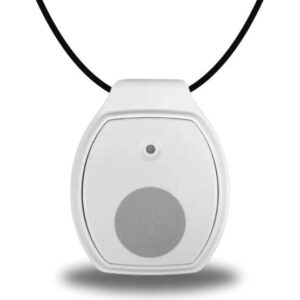
Falls are one of the ultimate safety concerns in the aging population. Even a simple slip can cause injuries that need to be dealt with immediately. However, many falls occur when no one else is around.
Life alert systems fill in this gap directly. Fall detection sensors detect sudden movements and can trigger alerts automatically. This ensures that help will arrive even if you’re unconscious or unable to press the button.
Also, wearable designs help to make these systems practical for daily use. Since they are lightweight and comfortable, you are more likely to wear them all the time. That consistency, in turn, ensures improved safety without the need for lifestyle changes.
4. Reliable Assistance Any Time Of Day Or Night
Medical emergencies do not come at a scheduled time. A health problem at night can be very scary when you are alone and half asleep.
With round-the-clock monitoring, life alert systems are capable of 24/7 coverage. When you activate an alert, trained professionals intervene immediately and evaluate the situation. They stay with you until help arrives or until you feel safe again.
Because this support is available 24/7, you never have to second-guess whether it is the “right time” to ask for help. Instead, you have the peace of mind that somebody is always ready to respond.
5. Encouraging Independence Without Sacrificing Safety

Many older people resist safety devices because they are afraid of losing independence. However, the opposite is often the case.
When you know that there is help available, you will be more confident in handling daily activities on your own. Simple activities such as showering, cooking, or stepping outside seem no longer risky. As a result, you can stay active rather than restricting yourself because you are concerned about your safety.
Life alert systems work quietly in the background. They do not disrupt routines, but provide reassurance throughout the day. This balance enables you to remain independent while mitigating unnecessary risks.
6. Reassurance For Family Members And Caregivers
Safety concerns do not only affect older adults. Family members often worry about what might happen when they are not nearby.
A life alert system reduces that constant anxiety. Knowing that immediate help is available brings comfort to loved ones, even when distance separates them. Furthermore, location features allow responders to act quickly during emergencies outside the home.
Because the system handles emergency communication, family members are not placed under constant pressure to check in. This creates a healthier balance between care, trust, and independence.
Conclusion
Daily safety becomes more important as routines change and health risks become less predictable. While independence remains a priority, having quick access to help can make everyday life feel more manageable and secure. A dependable life alert system bridges the gap between living freely and staying protected, especially during unexpected situations like falls or sudden medical concerns.
By ensuring that support is always within reach, these systems help reduce hesitation, encourage confidence, and allow you to continue daily activities with greater peace of mind. In the long run, prioritizing safety is not about limitation—it is about creating a safer environment where independence and reassurance can exist together.