
Busy weeks tend to break fitness plans in the same way. A workout gets skipped on Monday. Tuesday feels packed, too. By Thursday, the plan feels “ruined,” so it gets pushed to next week. That cycle is not a motivation problem. It is usually a planning problem.
Low-impact training solves a practical issue. It reduces the “cost” of working out. Sessions feel tough, but joints often feel fine. Recovery is smoother. That makes it easier to train again two days later, even during a hectic week. For many people, that repeatable rhythm matters more than any perfect program.
This article breaks down a low-impact habit that actually fits real life. It focuses on short sessions, simple structure, and equipment choices that make consistency easier.
Why Low Impact Works Better When Life Is Full
High-impact workouts can be fun. They also come with a hidden tax. Soreness can last longer. Knees and hips may feel irritated. Sleep can feel lighter after late sessions. All of that makes the next workout harder to start.
Low-impact training removes a lot of friction. The body still works hard, but the pounding is lower. That often means fewer “recovery excuses” later in the week. It also helps people keep moving when stress is high, because the sessions feel more doable.
Low impact does not mean low effort. It means less shock. Intensity still comes from resistance, tempo, and short rest periods. Mayo Clinic also recommends low-impact exercise advice for keeping stress on joints lower while staying active.
The Busy-Week Rule: Make Workouts Repeatable
A workout habit fails when it costs too much. It costs time. It costs energy. It costs soreness. The best busy-week plan reduces those costs.
A repeatable habit has three features:
- Short sessions that still feel complete
- A schedule that allows missed days
- Progress that does not rely on “perfect weeks”
This is why two or three quality sessions often beat five rushed ones. It is also why low-impact training works well for consistency. It helps people train hard without needing two days to recover.
Why Equipment Can Make Busy Weeks Easier
A home workout plan often fails for one reason. Friction. The space is messy. The equipment is awkward. The workout feels unclear. Then it gets skipped.
Good equipment reduces friction. It makes the session feel “ready.” It also helps with consistency, because the workout feels familiar.
Three equipment traits matter most:
- It feels stable and safe
- It offers enough resistance options
- It supports full-body workouts
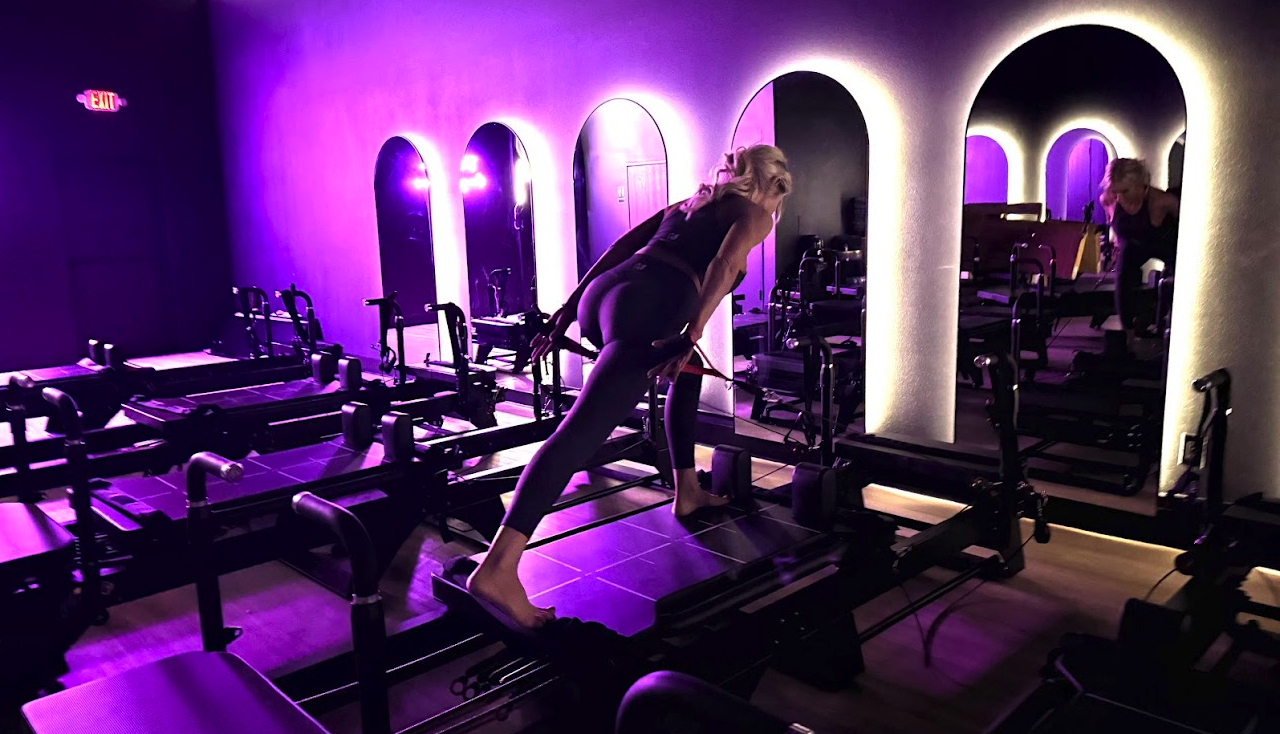
This is where reformer-style training fits. Springs and a moving carriage create resistance without heavy impact. The setup supports legs, glutes, core, and upper body in one session. It can also be scaled up or down fast, which helps when energy changes day to day.
For anyone looking for a compact pilates reformer for a home setup, a key check is how easy it is to use in real life. Does it fit the room? Does it feel smooth? Is resistance easy to change? That kind of practical thinking makes a training habit more realistic.

The “Travel or Chaos” Backup Workout
Busy weeks often include a surprise. A work trip. A sick kid. A late deadline. When that happens, the plan needs a fallback that still counts.
The goal is not to replace a full session. The goal is to keep the habit alive and protect momentum. Set a timer for 12 minutes. Do 3 rounds of: 40 seconds of controlled squats or sit-to-stands, 40 seconds of incline push-ups, 40 seconds of a slow plank hold, then 40 seconds of marching in place. Rest 20 seconds between moves. Keep breathing steadily and form clean.
This works anywhere. It also keeps the “start” habit strong, so normal training resumes faster.
How to Progress Without Feeling Beat Up
Progress does not need to feel extreme. Small changes each week are enough. The mistake many people make is stacking too much at once. More sessions, plus more intensity, plus less rest. That is when fatigue builds, even in low-impact training.
A simple rule keeps things steady. Change one variable at a time.
Here are three safe progress options:
- Add 1 more set to one movement
- Increase resistance slightly
- Increase total work time by 2 to 3 minutes
Avoid changing all three in the same week. If soreness is high or sleep feels off, reduce intensity for a week. Keep the habit. Keeping the habit is the win.
The Habit That Makes Low-Impact Work
The habit is not “working out.” The habit is the start.
Busy people do not fail because they hate exercise. They fail because the start feels too hard. Make the start automatic, and the rest follows.
A strong start habit looks like this:
- A set workout time window
- The same warm-up every time
- A short list of moves, already chosen
- A clear endpoint
Short sessions still count, and the U.S. physical activity guidelines support mixing aerobic work with strength work weekly.
Common Busy-Week Traps and How to Avoid Them
Most people fall into one of these traps:
Trap 1: Only training when there is time.
Time does not appear. The schedule needs the workout slot.
Trap 2: Going too hard on good days.
That often leads to missed sessions later.
Trap 3: Chasing soreness as proof.
Soreness is not the goal. Consistency is the goal.
Trap 4: Making the plan too complicated.
Complex plans break under stress.
A Quick Checklist for Building the Habit
Use this checklist to keep the plan realistic.
- Can 2 sessions per week still happen?
- Can each session be finished in 40 minutes?
- Is there a backup plan for travel weeks?
- Is the equipment easy to set up and store?
- Is progress measured monthly, not daily?
Conclusion
A busy week does not need to ruin fitness progress. The best low-impact training habit is simple and repeatable. It uses short sessions, flexible scheduling, and smart progression that protects recovery. Low impact keeps joints happier and makes consistency easier. When the plan fits real life, results follow naturally.