
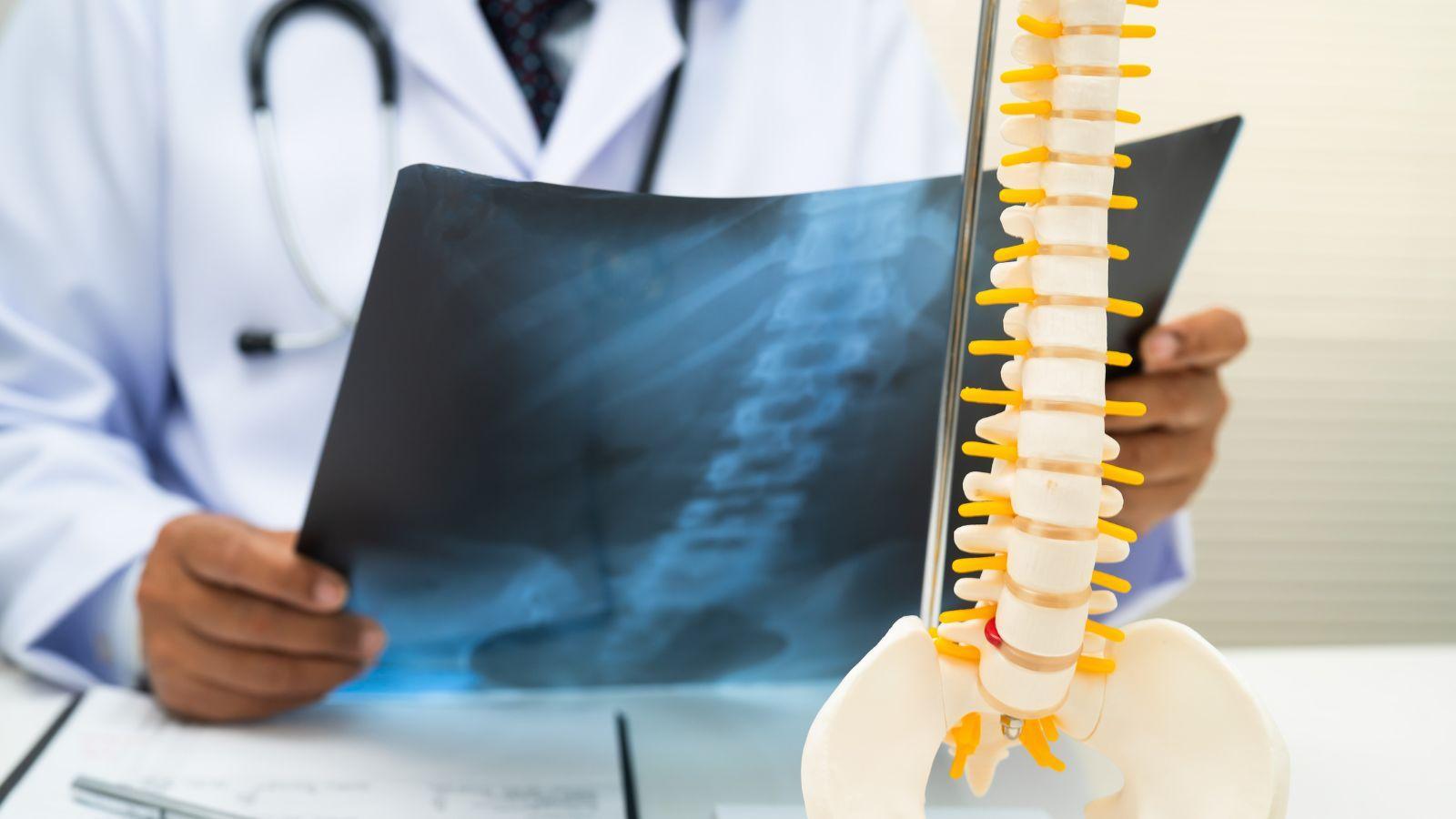
Your 40s are rarely when most women start thinking seriously about bone health. That concern tends to arrive later — after a troubling DEXA scan result, a fracture that seemed too easy to explain, or a doctor’s appointment that introduces the word “osteoporosis” for the first time. But by that point, the most important window for protecting skeletal strength has already narrowed. The decisions made during the decade before menopause carry more weight for long-term bone health than almost any other period in a woman’s life.
The reason comes down to timing. Peak bone mass is typically reached in the late 20s to early 30s. After that, a gradual, steady decline begins. What makes the 40s distinct is that this decline starts to accelerate — driven by hormonal shifts that many women aren’t told to watch for until they’re already in the middle of them. Understanding what is happening in the skeleton during this phase changes the way you approach everything from what you eat to how you exercise.
What’s Actually Happening to Your Bones in Your 40s
Bone is not static tissue. It undergoes a constant cycle of breakdown and rebuilding. Specialized cells called osteoclasts break down old bone while osteoblasts build new bone in its place. Through most of adulthood, this process stays roughly balanced. But as women enter perimenopause — the transitional phase that can begin as early as the mid-to-late 40s — that balance starts to shift in a direction that works against the skeleton.
The primary driver is estrogen. This hormone plays a direct role in regulating bone turnover, specifically in keeping osteoclast activity in check. As estrogen levels begin fluctuating and eventually declining during perimenopause, that regulatory control weakens. Bone resorption starts outpacing bone formation, and density begins to drop at a rate that catches many women off guard.
Research indicates that women can lose between 1% and 3% of bone density per year during the perimenopausal period, and cumulative bone loss during the first five to seven years following menopause can reach up to 20%. Those figures are not abstract. They represent a real and measurable narrowing of the margin between strong, functional bones and ones that are increasingly susceptible to fracture.
Calcium’s Role — And Why Getting Enough Is Harder Than You Think
Calcium is the most abundant mineral in the human body, and approximately 99% of it is stored in bone. When dietary intake is insufficient, the body draws calcium from the skeleton to maintain normal blood calcium levels. Over time, that borrowing takes a measurable toll on bone density.
Many women in their 40s assume they’re meeting their calcium needs because they eat dairy occasionally or take a general multivitamin. What most don’t realize is that the recommended daily intake increases with age — and that several common everyday habits actively interfere with how much calcium the body actually absorbs and uses.
Daily Calcium Targets Worth Knowing
- Women aged 19–50: 1,000 mg per day
- Women aged 51 and older: 1,200 mg per day
These numbers matter because absorption efficiency naturally declines with age. What the body extracts from 1,200 mg at 50 is not the same as what it would extract from the same amount at 25. Spreading intake across meals rather than consuming it all at once also improves how much is absorbed at any given time.
What Actively Works Against Calcium Absorption
Even with adequate intake, several everyday factors can significantly reduce how much calcium reaches bone tissue. High-sodium diets cause calcium to be excreted through the kidneys. Excess caffeine has a similar, if more modest, effect. Smoking accelerates bone loss and interferes with calcium metabolism. And the one most often overlooked: without sufficient vitamin D, the intestines cannot properly absorb calcium at all — no matter how much is consumed.
Vitamin D: The Nutrient That Makes Calcium Work
Vitamin D functions less like a traditional dietary nutrient and more like a hormone. It’s synthesized in the skin through sun exposure and then converted by the liver and kidneys into its active form. One of its most critical functions is enabling calcium absorption in the gut. Without adequate vitamin D, calcium passes through the digestive system largely unused, regardless of how calcium-rich the diet is.
Despite this well-established relationship, vitamin D deficiency remains widespread. A significant portion of adults in the United States are deficient or insufficient, and those who live in northern latitudes, spend most of their time indoors, or have darker skin tones face a higher risk of inadequate levels. The National Institutes of Health recommends 600 IU daily for adults up to age 70, with many clinicians suggesting 800 to 1,000 IU or more for women over 50 whose baseline levels are low.
Getting tested is a straightforward step that many women skip entirely. A simple blood test can reveal whether your vitamin D levels are genuinely supportive of bone-protective function — not just technically within a reference range, but optimally positioned for what your skeleton actually needs during this period of accelerated change.
Weight-Bearing Exercise Builds More Than Muscle
Bone responds to mechanical stress. When the body performs weight-bearing activities, the physical forces transmitted through the skeleton trigger osteoblasts to lay down new bone. This adaptive response is one of the most reliable tools available to women in their 40s who want to protect and modestly rebuild bone density rather than simply watch it decline.
Not all exercise delivers the same benefit. Swimming and cycling are excellent for cardiovascular health but are low-impact activities that don’t generate the bone-stimulating mechanical load that skeletal tissue responds to. The most effective activities for bone health combine impact with resistance:
- Walking or jogging, particularly on varied or inclined terrain
- Weightlifting and resistance training targeting major muscle groups
- High-impact activities like tennis, dancing, or step aerobics
- Bodyweight exercises such as squats, lunges, and stair climbing
Aim for at least two to three sessions of weight-bearing exercise per week. Research consistently shows that consistency over time matters more than short bursts of intensity. A woman who walks briskly and lifts weights three times a week over the course of years builds a more resilient skeletal foundation than one who cycles through high-intensity workouts sporadically and without follow-through.
The Hormonal Piece That Gets Left Out of the Conversation Too Soon
The connection between estrogen and bone health is one of the most clinically significant and least discussed aspects of midlife health. Most women understand that menopause involves a drop in estrogen and that this causes symptoms like hot flashes and disrupted sleep. Fewer understand that the same hormonal shift directly undermines bone maintenance at the cellular level — and that the process begins well before the final menstrual period.
Because estrogen plays a direct role in bone maintenance, many healthcare providers recommend pairing a calcium-rich diet with menopause support supplements that are formulated to address this hormonal shift before significant bone loss occurs.
The timing matters more than most women realize. Waiting until menopause is confirmed before thinking about hormonal influences on bone health means waiting until the accelerated loss phase has already begun. Perimenopause — which can span several years — is the window during which proactive steps are most meaningful. Conversations with a healthcare provider about bone density testing, hormonal health, and targeted nutritional strategies are genuinely preventive during this phase, not reactive. That distinction is worth holding onto.
For women who are not candidates for hormone therapy, or who prefer non-pharmaceutical approaches, evidence-based lifestyle interventions combined with nutritional support can meaningfully slow the rate of bone loss. What matters most is not waiting to have the conversation.
Stress, Sleep, and the Factors Quietly Working Against Your Bones
Bone health doesn’t operate in a vacuum separate from the rest of your physiology. Chronic stress raises cortisol, and elevated cortisol is directly antagonistic to bone formation. It interferes with osteoblast function, suppresses calcium absorption, and reduces the synthesis of key bone-building proteins. For women managing the layered demands that often peak in their 40s — professional pressure, parenting, caregiving for aging parents — this connection is more than theoretical. The stress response has real structural consequences over time.
Sleep is another underrated factor in skeletal health. The majority of bone remodeling takes place during sleep, particularly during deep sleep cycles. Chronic sleep deprivation disrupts this process and has been associated with reduced bone mineral density in multiple studies. Getting adequate, consistent sleep isn’t only about energy levels and mood regulation. It’s a structural health practice with measurable effects on the skeleton.
What a Bone Density Scan Can Tell You Right Now
A DEXA scan — dual-energy X-ray absorptiometry — is the clinical standard for measuring bone mineral density. It’s non-invasive, takes about 15 minutes, and gives a clear picture of where your bone density stands relative to a healthy reference population. Current guidelines typically recommend bone density testing for women beginning at age 65, but that recommendation assumes average risk.
A woman who enters her 50s with already-reduced bone density is working with a far smaller cushion than she may realize. Women with additional risk factors — a family history of osteoporosis, a history of disordered eating, long-term use of corticosteroids, or an early onset of perimenopause — often benefit meaningfully from earlier baseline screening. Talking to your doctor about getting a DEXA scan in your 40s isn’t an overreaction. It’s information. And having that information while there’s still time to act on it is the entire point.
The 40s Are When Bone Health Gets Protected, Not Written Off
Bone loss in midlife is not inevitable in the sense that nothing can be done about it. It is inevitable in the sense that it is a biological process every woman will face. The difference between women who move through their 50s and 60s with strong, functional skeletons and those who don’t comes down almost entirely to what was prioritized before the accelerated loss phase took hold.
Calcium and vitamin D are foundational, not optional. Weight-bearing exercise is one of the most powerful and accessible bone-protective tools available. And recognizing the hormonal dimension of skeletal health — rather than waiting for symptoms to force the conversation — gives women the clearest path to protecting what they’ve built over a lifetime.
The time to act on bone health isn’t when the fracture happens or when the scan comes back with a concerning number. It’s now, while the margin still exists and the choices you make can genuinely shape what comes next.