
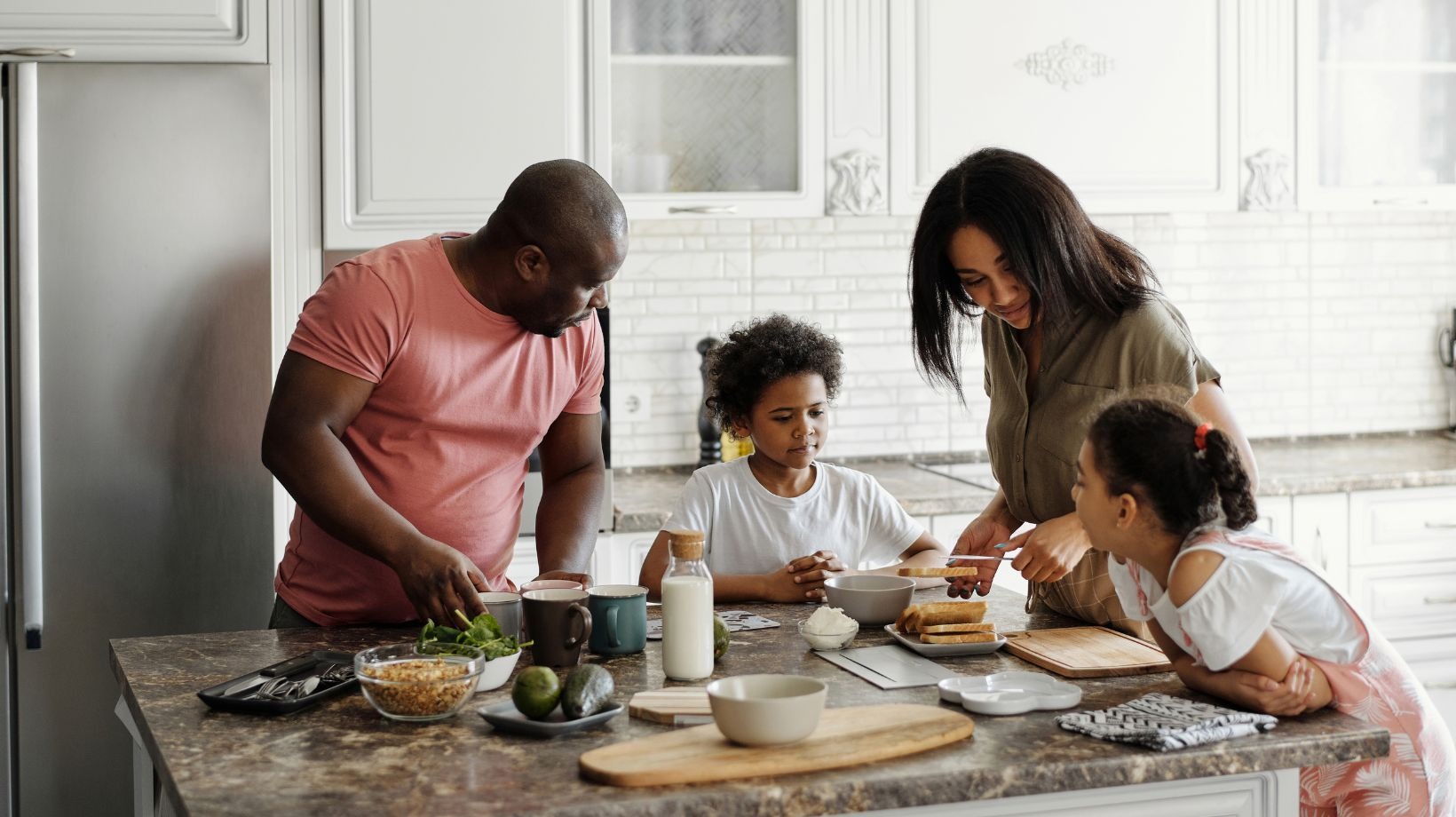
A beautifully presented breakfast or dessert does not need restaurant-level equipment or complicated techniques. Small details can completely change how an ordinary yogurt bowl, stack of pancakes, slice of toast, or simple cake feels when it reaches the table. Most of the time, the difference comes down to color, contrast, height, texture, and a little intention.
One easy way to add visual interest is to introduce elements that bring both color and movement to the plate. A spoonful of fruit compotes can instantly make a neutral breakfast or dessert look more polished, especially when paired with creamy, crisp, or toasted components.
The goal is not to make every meal look overly styled. In fact, the best presentations often feel relaxed. A few thoughtful choices can make everyday food look more inviting without adding much preparation time.
1. Start with a simple plate
A busy plate can compete with the food rather than support it.
For breakfasts and desserts, plain ceramic plates, shallow bowls, or neutral-toned dishes often provide the easiest background. White, cream, soft gray, or earthy finishes let colorful ingredients stand out.
This is especially effective with berries, citrus, chocolate, toasted nuts, yogurt, and sauces.
If the food itself is pale, a darker plate can create contrast. A slice of cheesecake, for example, may look more dramatic against charcoal-colored ceramic than on a white plate.
2. Build height instead of spreading everything flat
Height makes a plate feel more intentional.
Rather than arranging pancakes individually across a plate, stack them. Instead of spreading granola evenly over yogurt, place it in a small mound. Toast can be angled slightly against another element instead of lying completely flat.
The idea is subtle.
A breakfast should still look easy to eat. The goal is simply to create a visual focal point rather than having every ingredient sit at the same level.
3. Use color contrast
Color is often the first thing people notice.
A bowl filled entirely with beige ingredients may taste wonderful but look less interesting. Adding a contrasting color immediately changes that impression.
Think of combinations such as:
- Greek yogurt with berries and pistachios.
- Golden waffles with deep red fruit and powdered sugar.
- Chocolate cake with bright citrus or fresh raspberries.
- Toast with ricotta, figs, and a drizzle of honey.
You do not need five or six colors. Two or three tones are usually enough to make the plate feel balanced.
4. Leave some empty space
One of the easiest mistakes when plating at home is trying to fill every part of the dish.
Professional-looking plates often have breathing room.
Leaving some open space around the main item makes it easier for the eye to understand where to focus. It can also make a modest serving appear more deliberate rather than small.
For dessert, place the main element slightly off center rather than directly in the middle. Add one or two accents nearby and let the remaining space work as part of the presentation.
5. Add something creamy, something crisp, and something juicy
Texture affects presentation as much as flavor.
A yogurt bowl becomes more interesting when creamy yogurt is paired with crisp granola and fresh fruit. French toast can benefit from toasted nuts alongside a softer topping. A simple cake may look more complete with a smooth cream and a contrasting fruit element.
This approach works because each component has a clear visual role.
It also prevents the plate from looking like one uniform mass.
6. Treat toast like a small canvas
Artisanal toast is one of the easiest breakfast foods to make visually appealing.
Start with good bread and toast it until the edges have enough color to create contrast. Then build the topping in layers rather than mixing everything together.
A creamy base such as ricotta, yogurt cheese, nut butter, or avocado can provide the first layer. From there, add fruit, seeds, herbs, nuts, or a light drizzle.
Avoid covering every inch of the toast. Leaving a little of the crust and base visible makes the layers easier to distinguish.
For serving, cutting the toast diagonally often makes the presentation feel more dynamic.
7. Use bowls strategically
Not every breakfast needs a flat plate.
Shallow bowls work especially well for oatmeal, yogurt, smoothie bowls, chia puddings, and fruit-based desserts. Their curved edges naturally frame the food.
When arranging ingredients, resist the temptation to stir everything together immediately.
Place toppings in small sections or clusters: granola on one side, sliced fruit on another, seeds near the center. Once the bowl reaches the table, everything can be mixed as desired.
The initial presentation will still have much more visual impact.
8. Finish desserts with one deliberate detail
Simple desserts often benefit more from one thoughtful finishing touch than from several decorations.
A light dusting of coconut, a small spoonful of sauce, a few berries, grated citrus zest, chopped nuts, or a mint leaf can make a basic dessert look complete.
The key is restraint.
If a cake already has several textures and colors, adding more decoration can make it feel cluttered. If the dessert is visually simple, one contrasting element may be enough.
A useful rule is to stop decorating slightly earlier than you think you should.
9. Pay attention to drizzles and sauces
Sauces can make a plate look elegant, but random pouring rarely produces the best result.
Use a spoon to create a controlled line, place a small pool beside the dessert, or add several small dots around one side of the plate.
For breakfast, a light drizzle over pancakes, waffles, oatmeal, or toast often works better than completely covering the surface.
You can also place the sauce underneath part of the food so that it appears naturally as the first bite is taken.
The idea is to create movement without making the plate look messy.
10. Make everyday food feel intentional
Good presentation is not about turning breakfast into a photo shoot.
Sometimes it means using a nicer bowl instead of eating directly from a container. Other times it is simply slicing fruit rather than placing it whole on the plate, or adding a crisp topping at the last moment so it retains its texture.
Even a basic weekday breakfast can look inviting with a few seconds of attention.
The same applies to dessert. A store-bought cake slice, brownie, cookie, or scoop of ice cream can feel much more special when it is served thoughtfully rather than placed directly on a plate.
What matters most is creating contrast and balance without making the process complicated.
A visually appealing meal can change the experience of eating it, even when the recipe itself remains simple. With a neutral plate, a little height, contrasting textures, fresh color, and a carefully chosen finishing touch, breakfast and dessert can feel more memorable without requiring professional plating skills.