
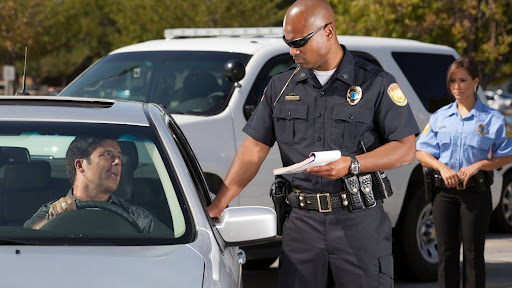
Getting pulled over is stressful enough. Getting pulled over without valid proof of insurance adds a whole new layer of trouble. Many drivers assume they’ll pay a fine and move on, but the citation is often just the first cost on a longer list.
Driving uninsured can lead to fees, paperwork, higher future premiums, and in some cases license or vehicle consequences. If an accident happens, the financial exposure can grow far beyond anything a traffic ticket would ever cost. That’s a lot of fallout from one missing policy.
Texas takes financial responsibility seriously, and the rules can catch people off guard. Knowing what’s at stake, from the fine itself to the hidden costs that follow, can keep a small mistake from turning into a long-running financial headache.
What Does Texas Actually Charge for Driving Without Insurance?
Under Texas law, a first conviction for driving without required liability coverage generally carries a fine of $175 to $350. That’s the base penalty, before court costs or other fees get added on top of it. Judges have some discretion within that range.
Repeat violations get more expensive. Subsequent convictions can bring fines ranging from $350 to $1,000, and courts may also order additional consequences, such as license suspension or vehicle impoundment, depending on the circumstances and the driver’s history.
A no insurance ticket in Texas can feel like a single bill, but it often marks the start of a broader set of costs. The exact total depends on the court, the driver’s record, and how quickly the citation is handled.
Why the Costs Can Continue After the Fine Is Paid
Court costs and administrative fees can add a noticeable amount to the original fine. Missing a court date or ignoring the citation can create even bigger problems, including additional charges or a warrant in some situations. Payment plans or extensions may be available in some courts.
Reinstatement requirements may apply if a license or registration gets suspended. Some drivers may need to file proof of financial responsibility, often called an SR-22, for a period of time, and that filing can raise the cost of future coverage.
Insurance itself often gets pricier. A conviction for driving without coverage can make insurers see a driver as higher risk, which may lead to higher premiums for years. Those ongoing costs can easily exceed the original ticket.
What Happens If an Uninsured Driver Causes an Accident?
The biggest risk isn’t the ticket at all. If an uninsured driver causes a crash, there’s no liability policy to pay for other people’s injuries or property damage. That responsibility can fall directly on the driver personally.
Injured people may file lawsuits seeking compensation for medical bills, lost wages, vehicle repairs, and other losses. A court judgment can follow a driver for years, potentially affecting finances, credit, and future opportunities. Without insurance, there’s also no company providing a defense attorney when a lawsuit arrives.
Texas can also suspend licenses and registrations tied to unpaid accident damages. For comparison, the state’s minimum liability coverage is 30/60/25, meaning $30,000 per injured person, $60,000 per accident for injuries, and $25,000 for property damage.
The Misconceptions That Lead Drivers Into Trouble
Borrowing a car causes plenty of confusion. Many auto policies cover permitted drivers, but not every situation is covered the same way. Assuming the owner’s policy applies without checking can leave a driver exposed if something goes wrong.
Expired policies are another common trap. A missed payment or forgotten renewal can let coverage lapse without the driver noticing. Driving during that gap counts as driving uninsured, even if a new policy starts just days later.
Sometimes coverage exists but proof doesn’t, like when a card is outdated or a phone battery dies. Texas accepts electronic proof of insurance, and courts may dismiss a charge when a driver shows valid coverage was in place at the time.
Conclusion
A ticket for driving without insurance in Texas can carry a fine of hundreds of dollars, and repeat offenses raise the stakes considerably. The real cost often shows up later, through fees, insurance hikes, and paperwork. Those follow-on costs are easy to overlook.
An accident without coverage is the worst-case scenario. Without liability insurance, injured people and property owners may look directly to the driver for compensation, which can mean lawsuits and long-term financial strain. Even a minor collision can create bills that take years to pay off.
Keeping legally required coverage, carrying current proof, and handling any citation promptly can prevent small problems from snowballing. When questions come up about a specific ticket or accident, a qualified attorney can explain the options that apply.