
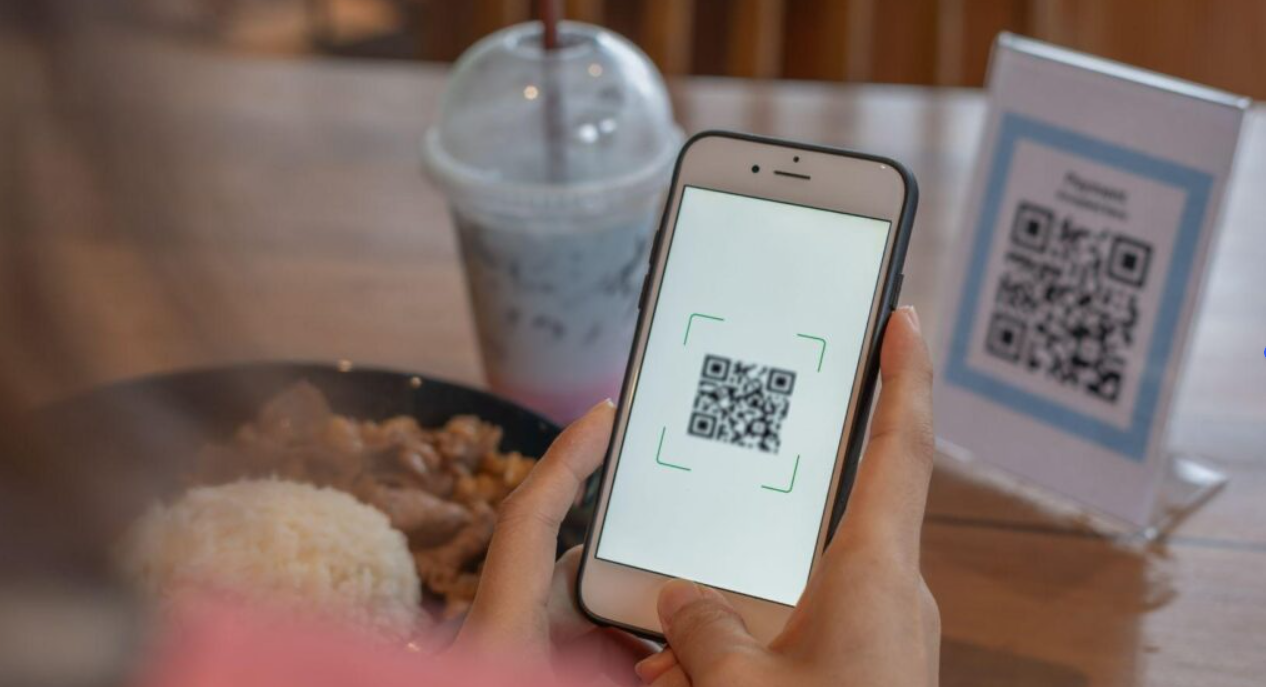
Running a restaurant has never been simple. Between managing staff, controlling costs, and keeping every table happy, owners are constantly looking for ways to work smarter. One of the biggest shifts in hospitality over the past few years is the move away from printed menus and toward digital, scan-and-order experiences.
At the center of this shift is the QR menu, which guests now recognize instantly. A quick scan with a phone brings up the full menu, lets guests call a waiter, and even allows them to request the bill, with no app download and no waiting around for attention.
Why Traditional Menus Are Holding Restaurants Back
Printed menus look nice, but they come with real limitations. Every price change, sold-out dish, or new daily special means reprinting. Menus get worn, stained, and outdated. For venues with international guests, a single-language menu can also create confusion and slow down ordering.
Then there is the service gap. Guests often spend minutes trying to catch a waiter’s eye, which frustrates them and leaves staff running between tables without knowing who needs help first.
What a Digital Menu Actually Offers
A modern digital menu does far more than display food items on a screen. With a platform like Call The Service, restaurants can:
Because everything is editable in seconds, owners save time and avoid the cost of constant reprints.
Faster Service With Waiter Call and Table Management
One of the most practical features is the ability for guests to call a waiter directly from their phone. A single tap sends the request to the right staff member, so there is no more waving or searching for someone to help.
Behind the scenes, a visual table planner lets managers map their floor layout, assign a unique code to each table, and link staff to specific zones. Requests go straight to the person responsible, which reduces response times and keeps the team organized, even during peak hours.
AI Tools That Make Menu Creation Easier
Not every restaurant has professional food photography, and that is where AI can help. The built-in AI menu builder can generate dish images and descriptions automatically, so even small cafés and food trucks can present a polished, appetizing menu without hiring a photographer.
Pair this with ready-made design templates, and a restaurant can go from setup to a live digital menu in a very short time.
Insights That Help You Improve
Good service depends on knowing what is working. Guests can leave ratings and comments after their visit, giving owners honest feedback to act on. The analytics dashboard also shows how many calls guests make, how quickly staff respond, and which hours and tables are busiest. With this data, managers can schedule staff better and fix service bottlenecks before they affect reviews.
Built for Every Type of Hospitality Business
This approach is not limited to one kind of venue. Casual and fine dining restaurants, cafés, bars, food trucks, pop-ups, hotels, event spaces, and catering services can all benefit. Pricing is also flexible: there is a free plan to test the system, with paid plans for venues that need unlimited calls and full features, and no long-term contracts.
About the Author
This article was written by Moeez, an SEO Specialist.