
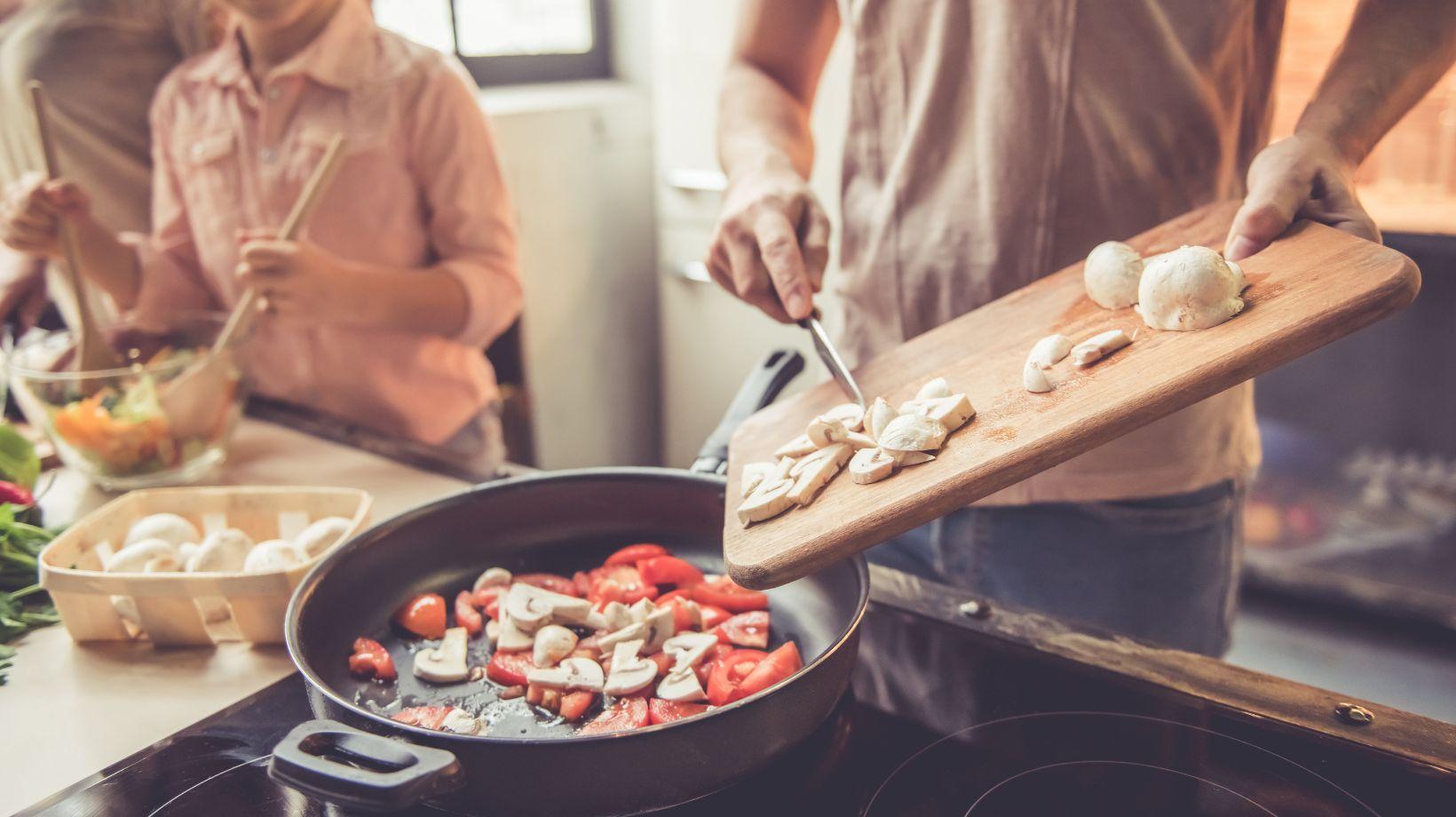
A family dish can preserve traces of place, migration, friendship, and practical choices made in home kitchens. Comparing memories with recipe cards and historical cookbooks helps separate a supported connection from an appealing origin story. The most useful record preserves both a workable recipe and an honest account of how this version developed.
The instructions on the page tell only part of the story
Some of the most useful clues in a family recipe are the parts that never reached the page. We may know who shaped the dough, when the dish appeared, or which ingredient someone always replaced. The written instructions might tell us less than the conversation around them. That makes a recipe an interesting starting point for family research. We are following something people learned, practiced, and changed. Its route into our home may involve relatives, neighbors, printed books, or a move that altered what ingredients were available. Finding that route can be more revealing than assigning the food to a single country.
If we also explore family connections through a DNA test, those findings belong to the history of people, not proof of a recipe’s origin. A genetic link cannot identify who taught a dish or explain a change in its filling. For those questions, we need the recipe itself, memories from cooks, and sources that describe food in a relevant place and period. We can compare these clues without expecting them to agree perfectly. A family version may have changed several times before anyone wrote it down. Those changes do not make the tradition less worth preserving. They give us something specific to investigate and credit. Our aim is to understand how this food reached our table, what earlier cooks contributed, and what remains uncertain. That leaves us with a fuller history we can share honestly while continuing to enjoy and adapt the dish in our own kitchen today.
Begin with what the family cook does without thinking about it
Before searching for the oldest possible version, preserve the version you actually know. Copy the recipe’s wording before correcting its spelling or replacing an unclear measure. If someone still cooks it, ask whether you can watch and take notes. Notice what happens between the written steps. The cook may rest a mixture, change the heat, or judge readiness by touch without thinking to mention it. Those details help preserve the skill and give you something more precise to compare with other versions.
Record the features that make this recipe recognizable:
- The name as relatives says it, including alternate spellings.
- Ingredients, proportions, and known substitutions.
- Shaping, cooking, and serving methods.
- The occasion and the person associated with the dish.
A familiar ingredient rarely narrows a food to one place. Compare combinations and methods, while checking the meaning of unfamiliar words through reliable language sources. A dish name may change after a move or refer to different foods in different communities. Record the pronunciation with permission instead of forcing it into the first spelling you find online. Ask whether relatives recognize an older name, but keep their recollection separate from a confirmed translation. A useful search can begin with several possible spellings rather than one confident guess.
The occasion matters too. Find out whether the food was an everyday meal, a seasonal dish, or something made for a particular gathering. Ask who taught the cook and what they remember about learning it. A recipe passed through a neighbor or workplace can become a cherished family tradition without following a biological line. Preserve the names and dates you can establish, marking gaps along the way. You are building a history of learning and use. That history deserves the same attention as a claim about where the dish first appeared.
Old cookbooks offer comparisons rather than a final verdict
A printed recipe can help test a connection suggested by family memories. Look for books from the relevant place and period, using older names as well as the name your household knows. Read the preface and publication details before comparing ingredients. A book written for professional cooks, a household manual, and a community fundraising collection may describe different kinds of cooking. Matching a title is only the beginning.
In a February 2025 report, Michigan State University Libraries described Feeding America as a digital resource containing 76 American cookbooks from the late eighteenth to early twentieth centuries. The report also described a broader collection of more than 40,000 cookbooks and food-related works. These figures refer to a selected digital resource and the larger holdings, respectively. They should not be treated as a count of books all available online. Such collections offer places to compare dated recipes and locate further sources.
The Library of Congress provides a guide to digitized U.S. community cookbooks dated 1862–1929. It organizes access through place and time and explains that these books were almost always compiled by women to raise money for a cause. Those causes included church and other community needs. The setting helps explain whose recipes were recorded and why a book was produced. It does not make the publication town the birthplace of every dish inside.
Compare the instructions, proportions, contributors, and notes surrounding a recipe. A close match may suggest a shared printed source or a wider local practice, but it does not prove that your relative owned that book. Check whether later books repeat the same wording rather than treating every appearance as independent evidence. Keep the author, edition, date, and page with your notes. Describe an early printed example as the earliest you found, unless stronger research supports an invention claim. This leaves room for home cooking that existed before publication and for versions the surviving books never recorded.
A changed ingredient can belong to the history you are tracing
It is tempting to describe an older version as the real recipe and every later adjustment as a loss. That can hide the most revealing part of the family account. A change may show how someone dealt with cost, availability, equipment, or time. It may also reflect another cook’s influence or a simple preference. Ask for the reason before choosing an explanation that fits a story about migration.
Put recipe changes beside dated events where the evidence allows:
- Moves between households, towns, or countries.
- Surviving recipe cards, letters, or published versions.
- Changes a particular cook remembers making.
- The point where the earlier method becomes uncertain.
Do not let the timeline imply more than it establishes. A substitution appearing after a move does not prove that the move caused it. A relative may remember the reason, while another may recall only the finished dish. Save both accounts with the speaker and interview date. If a letter, shopping note, or earlier card supports a detail, attach that source. Where there is no explanation, leave the reason open. An honest uncertainty is more useful than a confident story that future cooks mistake for something a relative actually said.
Regional research benefits from the same care. Similar foods may be shared across neighboring places or carried through marriage, travel, and friendship. A household can preserve food from several backgrounds, including dishes learned long after migration. Describe the connection you can support: a family version, a recipe learned from a named person, or a dish documented in a particular community. Avoid using genetic ancestry to decide which foods belong in the family collection. The route by which a dish became meaningful is its own subject, and it may involve people absent from every branch of the family tree.
Preserve enough detail for someone else to cook and question it
A good recipe record has two jobs. It helps another person make the food, and it shows how the instructions and history were recorded. Keep the original card or page alongside a readable transcription. Mark additions clearly, especially when you have supplied a quantity, translated a word, or clarified a step. A cleaner version should not erase clues in the older wording.
Ask the cook to explain the signs they use: the texture of a mixture, the appearance of a surface, or the point when a step is complete. Record these observations alongside quantities and equipment. If you test the recipe yourself, identify that trial as your version and note what you changed. A different pan, measure, or method can affect the result; it should not quietly become a claim about an earlier cook’s practice. When instructions remain uncertain, record the uncertainty instead of turning it into a precise-looking measurement.
Keep a short history note with the recipe:
- Who shared it and who they learned it from.
- When the account and instructions were recorded.
- Sources supporting any regional connection.
- Changes made during transcription or a cooking trial.
Agree on sharing before publishing handwriting, photographs, or personal memories. A relative may welcome a family copy while preferring that their words remain off a public website. Credit translations and research as well as the cook. Keep a backup of the recipe and its supporting material, and leave space for later notes without overwriting earlier versions. The result can remain open to improvement. A future cook should be able to add what they discover while still seeing which parts came from someone else’s kitchen and which came from yours.
Bring the conversation back to the meal people actually share
We can research a dish without making the table a contest over who cooks it correctly. Our notes may reveal a regional association, a borrowed method, or a change no one can fully explain. Each finding adds context without diminishing the care that kept the food in family life.
Serve the version we know, and make its recorded story available to anyone interested. Invite corrections without asking every memory to agree. We can preserve an earlier method and a later adaptation side by side, giving credit to the cooks behind both. The recipe then carries more than a claim about its birthplace. It carries a traceable account of people learning, adjusting, and feeding one another, with room for the next cook to contribute.