
Planning family adventures means thinking beyond the destination. The snacks you bring can make or break a long hike, a camping weekend, or an extended road trip through unfamiliar terrain.
Kids get hungry fast. When blood sugar drops, moods follow. The right portable foods keep energy steady and complaints to a minimum.
Finding snacks that travel well, satisfy hungry hikers, and align with health-conscious eating takes some thought. For families watching carbohydrate intake or simply looking for protein-forward options, the choices have expanded considerably in recent years.
One option worth considering: you can find pork rinds online and stock your adventure pantry with a crunchy, shelf-stable snack that packs serious protein without the sugar crash.
But smart snacking goes beyond any single food. It requires understanding what fuels active bodies and what fits the realities of life on the move.
Why Snack Strategy Matters on Family Trips
Energy Management for Active Kids
- Children burn through calories faster than adults during physical activity, and their smaller bodies have less glycogen reserve.
- Waiting until kids announce hunger often means you’re already dealing with fatigue, irritability, or a full meltdown.
- Consistent, protein-rich snacking every two to three hours prevents the sharp energy dips that derail otherwise perfect adventure days.
Practical Constraints of Travel
- Cooler space is limited, especially on multi-day trips where ice must last.
- Shelf-stable options reduce the need for refrigeration and simplify packing logistics.
- Mess-free snacks matter when you’re eating on trail benches, in the car, or inside a tent.
Building a Balanced Adventure Snack Kit
Protein Sources That Travel Well
- Hard-boiled eggs keep for several days in a cooler and provide complete protein with minimal prep.
- Jerky and dried meats offer concentrated nutrition in lightweight, packable form.
- Chicharrones and pork skins deliver satisfying crunch with substantial protein content, making them popular among families following lower-carb eating patterns.
- Nut butter packets eliminate the mess of jars and pair well with fruit or crackers.
Smart Carbohydrates for Sustained Energy
- Whole grain crackers provide fiber alongside carbohydrates, slowing digestion and extending energy.
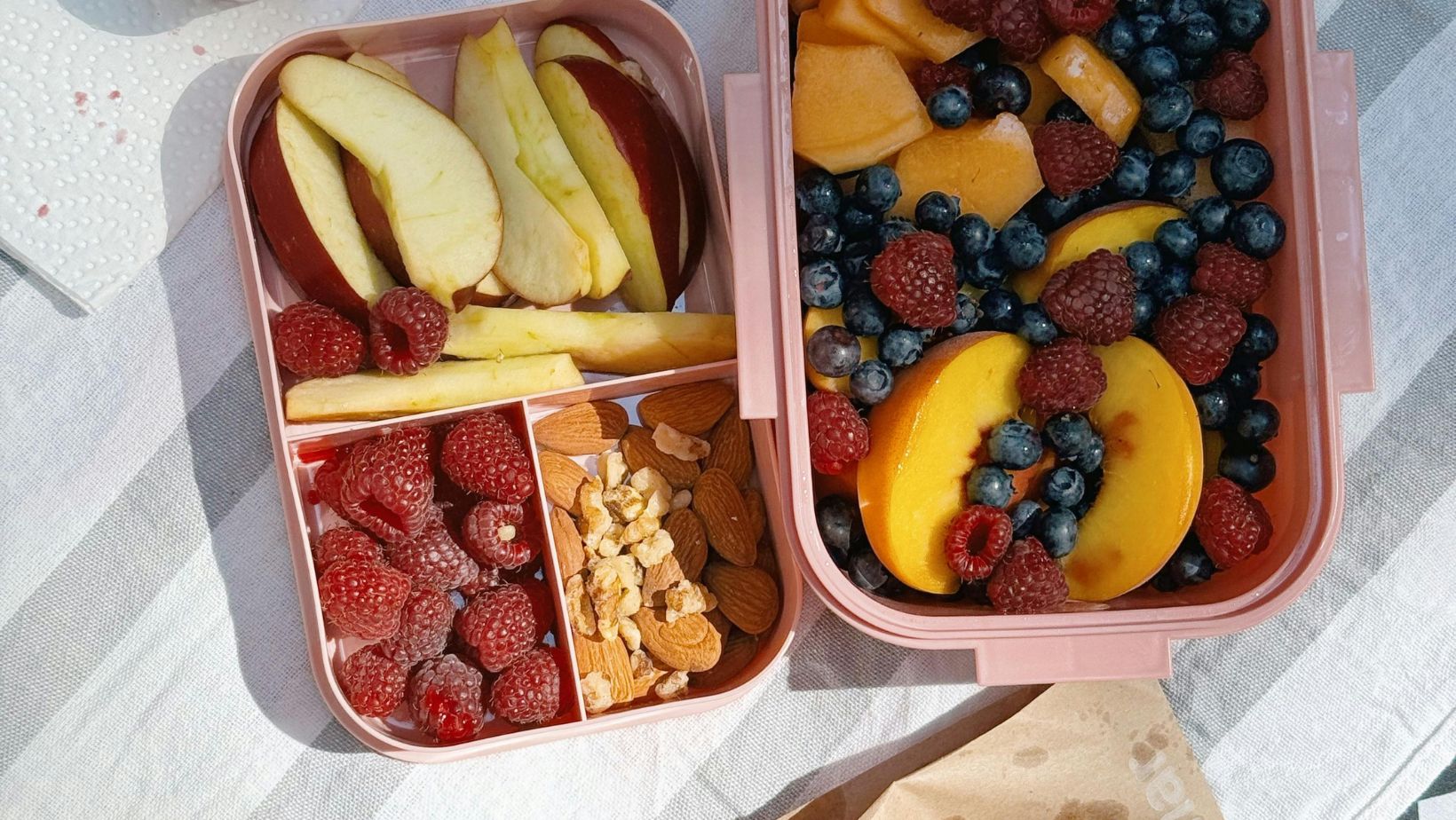
- Fresh fruit like apples and oranges travels better than berries and offers natural sugars with fiber.
- Trail mix with minimal added sugar combines multiple food groups in one portable package.
For younger kids who struggle with chewing on the go, smoothies offer a drinkable way to get fruits, veggies, and protein in one easy package. No utensils required.
The American Academy of Pediatrics emphasizes that active children need regular fueling with a mix of macronutrients to support both physical activity and cognitive function during demanding days.
Hydration Partners
- Water remains essential, but electrolyte packets can help during hot weather or particularly strenuous activities.
- Salty snacks like pork scratchings can help the body retain fluids and replace sodium lost through sweat, which is why pairing them with adequate water intake matters during active days.
- Avoid sugary drinks that spike and crash energy levels mid-adventure.
Snacking for Different Adventure Types
Road Trip Snacking
Long drives present unique challenges. Boredom eating competes with genuine hunger, and convenience store stops often offer little beyond processed junk.
What works:
- Pre-portion snacks into individual bags before departure to control serving sizes and reduce mess.
- Include a mix of crunchy and chewy textures to keep things interesting over long stretches.
- Low-carb options like pork skins satisfy the craving for something salty and crispy without the blood sugar rollercoaster of chips.
- Pack wet wipes for cleanup, especially when traveling with younger children.
Trail and Hiking Snacks
Weight matters when you’re carrying everything on your back or in a daypack. Caloric density becomes a priority.
What works:
- Choose foods with high calorie-to-weight ratios: nuts, seeds, dried meats, and nut butters.
- Avoid anything that melts, crumbles excessively, or requires utensils.
- Chicharrones offer an excellent weight-to-protein ratio and won’t turn to mush in a warm pack.
- Individual portions prevent the need to carry large containers or worry about spoilage once opened.
Camping Kitchen Basics
Base camp allows for more flexibility, but simplicity still wins when cooking over a fire or camp stove.
What works:
- Bring ingredients that serve multiple purposes: eggs for breakfast, snacks, and dinner additions.
- Stock shelf-stable proteins that require no refrigeration if your cooler ice runs low.
- Pork rinds double as snacks and as breading for camp-fried fish or vegetables, adding versatility to your provisions.
Reading Labels: What to Look For
Ingredient Simplicity
- Shorter ingredient lists generally indicate less processing and fewer additives.
- The best portable proteins contain recognizable ingredients: meat, salt, and minimal seasonings.
- Avoid snacks with added sugars hiding under names like maltodextrin, dextrose, or corn syrup solids.
Nutritional Priorities for Active Families
- Protein content matters most for sustained energy and muscle recovery after active days.
- Fat provides slow-burning fuel that keeps hunger at bay longer than carbohydrates alone.
- Sodium, often vilified, actually serves an important function during sweaty activities by helping the body retain fluids and preventing cramping.
The Academy of Nutrition and Dietetics recommends that active families focus on whole food sources of protein and fat rather than relying heavily on processed snack bars.
Storage and Safety Considerations
Keeping Food Fresh on the Move
- Insulated bags extend the life of temperature-sensitive items even without ice.
- Hard-sided containers protect crushable snacks from the inevitable chaos of family packing.
- Rotate cooler contents daily, using the most perishable items first.
Food Safety in Warm Weather
- Perishable proteins should stay below 40°F; when in doubt, choose shelf-stable alternatives.
- Individually wrapped portions reduce contamination risk from repeated handling.
- Dispose of anything that has been at questionable temperatures for more than two hours.
Making Snack Time Part of the Adventure
Involving Kids in Choices
- Let children help select and pack snacks before departure to increase buy-in.
- Introduce new foods at home before relying on them during travel, avoiding surprises when options are limited.
- Frame trying new snacks as part of the adventure itself, building openness to unfamiliar foods.
Creating Positive Associations
- Designate special trail snacks that only appear during outdoor adventures, making them something to anticipate.
- Use snack breaks as opportunities for rest and connection rather than rushed refueling.
- Celebrate reaching landmarks or completing challenges with a favorite treat from the pack.
A Final Word on Fueling Family Adventures
The snacks you choose shape the experience as much as the destination. Hungry, low-energy kids struggle to appreciate even the most spectacular scenery.

Well-fueled families have the stamina to push a little farther, stay out a little longer, and actually enjoy the journey.
Building a smart snack strategy takes some initial effort. But the payoff shows up in smoother travel days, fewer meltdowns, and more energy for the adventures that matter.
Whether you’re crossing a mountain pass or crossing state lines, what you pack to eat determines whether you arrive ready to explore or desperate for the nearest drive-through.
Stock your adventure pantry with intention. Choose foods that fuel active bodies, travel without fuss, and taste good enough that everyone actually eats them.
Your future trail-weary self will thank you.