
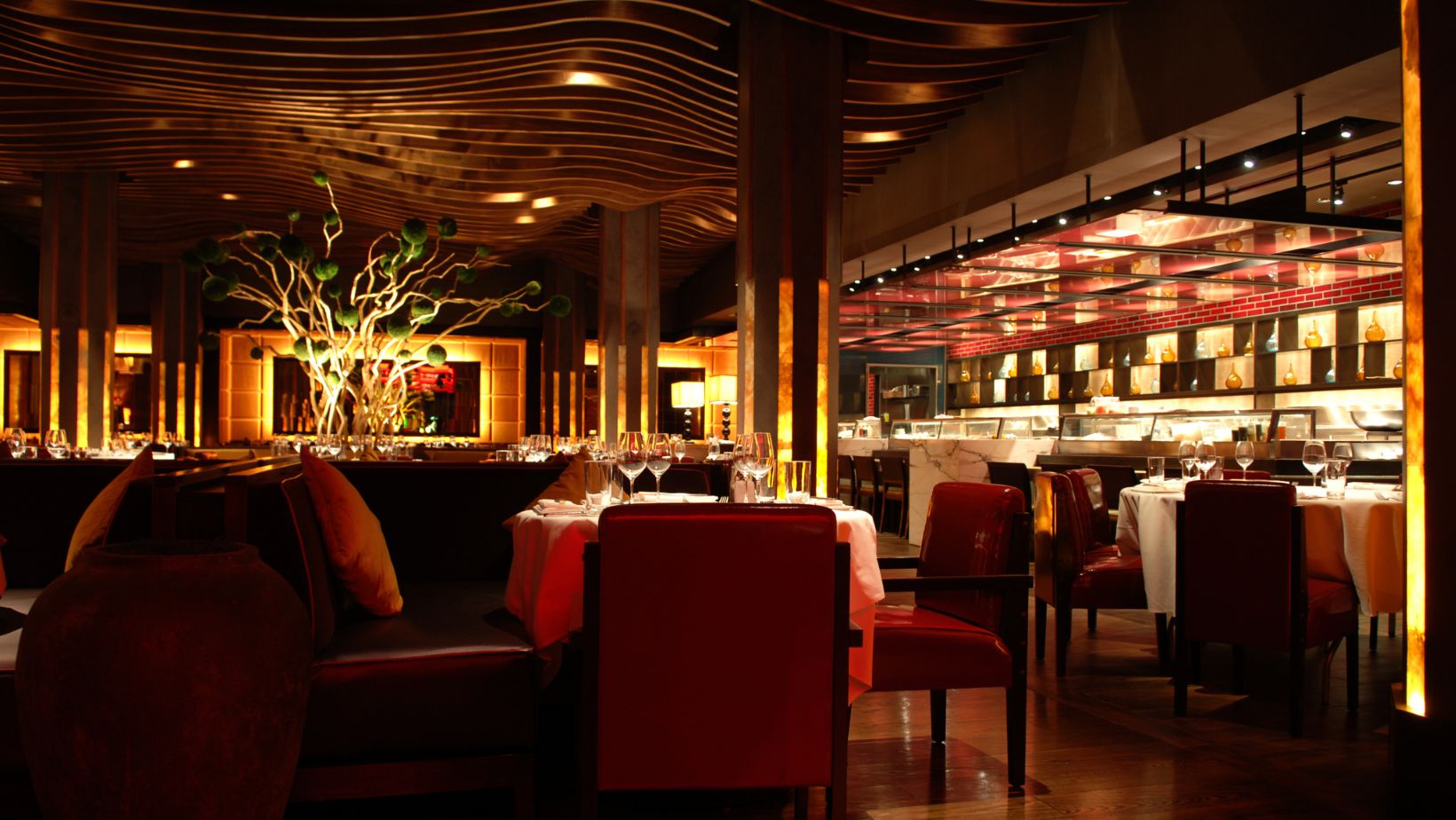
Walk into any restaurant during peak hours and you’ll hear it. The persistent ring of an unanswered phone competing with the clatter of plates and buzz of conversation. Staff rush past, focused on the guests in front of them. The phone keeps ringing. Eventually, it stops.
That silence? It’s the sound of money walking away.
Why Answering The Phone Is Harder Than It Looks
Running a restaurant means constant juggling. You’re managing the kitchen, handling service, dealing with suppliers, and somehow keeping everyone happy. Adding phone duty to that mix shouldn’t be hard, but it is.
The calls never come at convenient times. They spike during dinner rush when every team member is occupied. They come during prep when you’re elbow-deep in ingredients. They ring at 11 PM from guests planning next week’s celebration.
Traditional solutions don’t really solve this. Hiring someone just to answer phones feels excessive for smaller operations. Voicemail frustrates callers who want immediate answers. And pulling staff away from tables to handle calls means someone always loses attention.
What Modern Technology Actually Offers
The latest wave of restaurant tech focuses on this exact problem. AI-powered phone systems now handle incoming calls with remarkable sophistication. Not just recording messages, but actually conversing with callers, understanding their needs, and taking action.
These systems check real-time availability, book reservations, note dietary requirements, and confirm everything automatically. The entire process happens without human intervention, yet feels completely natural to the caller.
Bonnie exemplifies this approach. The platform connects directly to reservation systems, speaks multiple languages, and handles the nuances of actual conversation. When someone calls asking about gluten-free options for Saturday at 7 PM for four people, the system processes all of that, checks availability, and books the table.
The Ripple Effects Nobody Talks About
Beyond captured revenue, there’s something else happening. Kitchen staff stop getting interrupted mid-prep. Servers maintain focus on their tables. Managers spend less time playing phone tag.
Service quality improves when staff can give undivided attention to guests who are present. The atmosphere changes when phones aren’t constantly pulling focus. Small improvements compound into noticeably better experiences.
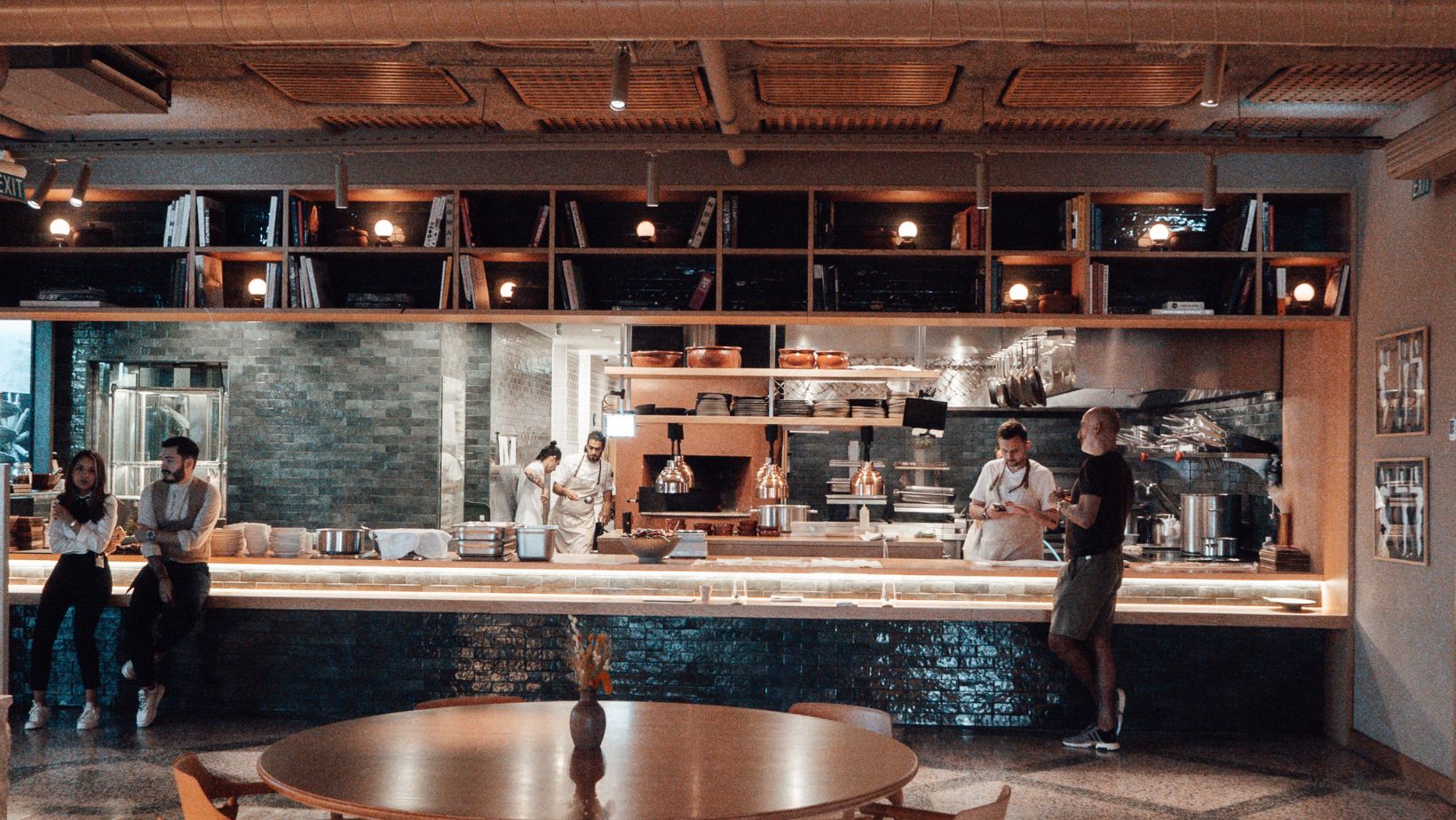
These ai restaurant reservation platforms also eliminate the 3 AM anxiety about missed opportunities. Calls get answered whether you’re open or closed, staffed or short-handed, busy or quiet.
Real Numbers From Real Restaurants
Restaurants using automated phone systems report capturing 15-30% more reservations than before. Not because demand increased, but because they’re finally answering calls they previously missed.
The average restaurant handling 50 calls weekly might miss 8-12 during peak times. At two guests per reservation and $80 average spend, that’s $1,280-$1,920 weekly in lost revenue. Over a year? Nearly $100,000 that simply evaporated because nobody picked up the phone.
The Setup Reality
Implementing these systems takes less time than you’d expect. Most platforms work through simple call forwarding. You redirect your number, customize the AI with your menu and policies, and you’re live. The whole process takes about as long as training a new host, except this host never forgets anything.
Integration with existing tools happens automatically. Reservations flow into Formitable, Zenchef, or whatever system you’re using. No duplicate entry. No reconciling different systems. Just seamless operation.
Making The Decision
Every restaurant owner eventually faces this question: keep struggling with phone coverage, or automate it?
The technology exists. It works. It costs less than part-time staff. And it captures revenue that’s currently disappearing into voicemail and missed connections.
The phone will ring tomorrow. And the day after. The only question is who—or what—answers it.