
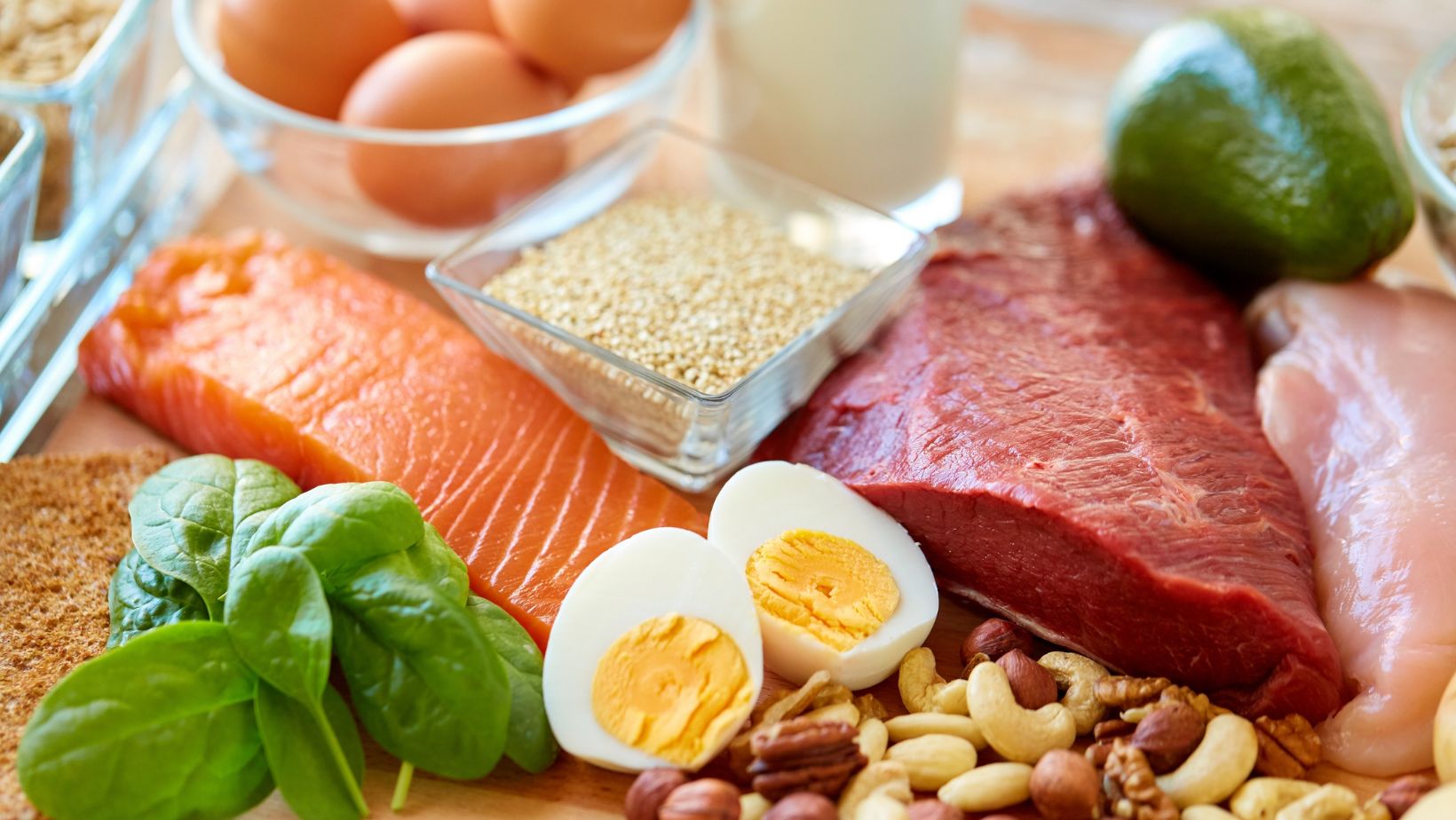
More people than ever are navigating an interesting nutritional challenge: how to eat enough protein when appetite is significantly reduced. Whether due to weight loss medications, metabolic changes, or other factors affecting hunger signals, getting adequate protein becomes more difficult when overall food intake decreases. This matters because protein is essential for maintaining muscle mass, supporting metabolism, and keeping the body functioning well during weight loss.
For anyone combining workouts with reduced eating, protein becomes even more critical. The body needs amino acids to repair and build muscle tissue after training. Without adequate protein, the muscles worked so hard in the gym won’t recover and adapt properly. Worse, the body may break down existing muscle for energy during caloric deficits if protein intake is insufficient.
Why Protein Matters More When Eating Less
Research published in the American Journal of Clinical Nutrition demonstrates that higher protein intake during weight loss helps preserve lean muscle mass. The study found that people consuming higher protein (around 1.2 grams per kilogram of body weight) retained significantly more muscle during caloric restriction compared to those eating lower amounts.
The practical challenge is that when appetite is reduced, whether from GLP-1 medications or other causes, hitting protein targets within smaller total food volumes requires intentional planning. Every meal needs to be protein-forward rather than carbohydrate or fat-forward.
Strategic Recipe Approaches
The key to adequate protein on reduced appetite is choosing recipes where protein is the star rather than a supporting player. This means rethinking traditional meal structures where starches take up most of the plate.
Greek yogurt bowls work exceptionally well for breakfast or snacks. A cup of plain Greek yogurt provides about 20 grams of protein. Adding nuts, seeds, and a small amount of fruit creates a complete meal in a small volume. The smooth texture is often well-tolerated even when nausea is present, and the protein is highly bioavailable.
Egg-based dishes remain protein powerhouses. Three eggs provide about 18 grams of protein. Scrambles, frittatas, or simple omelets with vegetables create satisfying meals that pack significant protein into manageable portions. Adding cheese increases protein further, though some people find dairy harder to tolerate on reduced appetites.
Lean protein with roasted vegetables represents the most straightforward dinner approach. Grilled chicken breast, baked fish, or seared shrimp paired with roasted broccoli, asparagus, or Brussels sprouts delivers protein and nutrients without the heaviness that can trigger discomfort. A 4-ounce chicken breast provides about 35 grams of protein and is generally well-tolerated.
Protein smoothies solve multiple problems at once. They’re easy to consume even when solid food doesn’t appeal. They can be customized for tolerability. And they deliver concentrated protein. A smoothie with protein powder, Greek yogurt, frozen fruit, and spinach can provide 30-40 grams of protein in a drinkable form.
Practical Preparation Tips

Batch cooking proteins makes hitting daily targets easier. Grilling several chicken breasts, baking a batch of salmon, or hard-boiling a dozen eggs provides grab-and-go protein sources. When motivation to cook is low (common when appetite is suppressed), having prepared protein available prevents defaulting to less nutritious options.
Keeping the preparation simple matters. Elaborate recipes with rich sauces or heavy preparations often don’t appeal when appetite is reduced. Simple seasonings, light cooking methods like baking or grilling, and fresh herbs create flavor without the heaviness that triggers nausea.
Portion control becomes easier but more important. Smaller plates help smaller portions look more substantial. Eating slowly and stopping when satisfied rather than when the plate is empty prevents uncomfortable overfullness that can occur when eating past reduced satiety signals.
Supplementation Considerations
Meeting protein goals through whole foods alone can be challenging on significantly reduced appetites. Protein powder offers a practical solution. Whey protein is absorbed quickly and works well post-workout. Plant-based options like pea or hemp protein work for those avoiding dairy. Collagen peptides can be added to coffee or other beverages for a protein boost without changing flavor significantly.
The goal should be getting most protein from whole foods for their additional nutrients, but supplementation can bridge gaps when appetite makes adequate whole food intake difficult.
The TrimRx Connection
Platforms like TrimRx have made appetite-suppressing medications more accessible, which means more people are navigating the challenge of adequate protein intake on reduced food volumes. Understanding how to structure meals and recipes around protein becomes essential for maintaining health and muscle mass during treatment.
The intersection of workouts and reduced appetite requires thoughtful nutrition strategy. Protein can’t be an afterthought when eating less overall. It needs to be the priority at every meal, with recipes and meal planning built around hitting daily targets that support both health and fitness goals. With the right approach, adequate protein intake is achievable even when appetite is significantly reduced, supporting both weight loss and muscle preservation through the process.