

A shipping container delivery can go smoothly or turn into a costly delay depending on how well the site is prepared. Containers are heavy, oversized units that require space, access, and stable ground to unload safely. Many delivery problems happen before the truck even arrives, which makes preparation a critical step rather than an afterthought.
Whether the container is used for storage, construction, or transport, advance planning protects equipment, property, and personnel. A prepared site reduces unloading time, prevents surface damage, and avoids rescheduling fees that often occur when conditions are unsuitable on delivery day.
For example, when ordering equipment such as a 40ft flat rack at Pelican Containers, buyers working with Pelican Containers should confirm delivery specifications early. Flat racks require more space during unloading due to their open structure and weight distribution, which makes site readiness even more important.
Container Delivery Requirements
Before delivery, it is important to understand how containers are transported and unloaded. Most containers arrive on flatbed or tilt-bed trucks that require clear access and sufficient turning space.
Assessing Site Access and Clearance
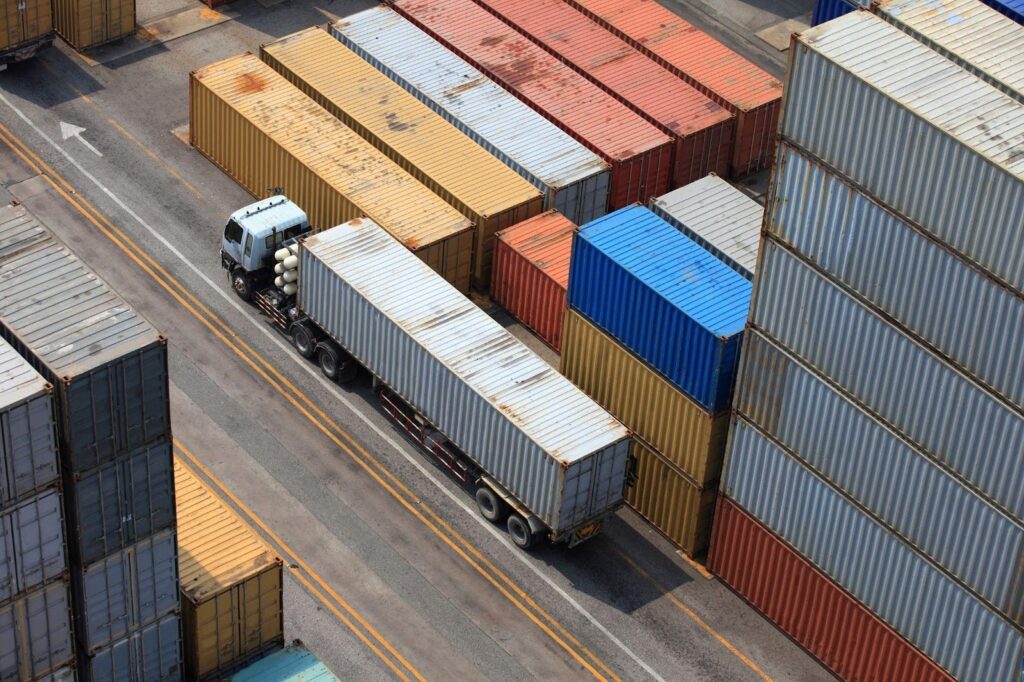
Access is the most common cause of failed deliveries. Trucks transporting containers are long, wide, and heavy, which limits where they can safely maneuver. Roads leading to the site must support the vehicle’s weight and provide enough width for turns.
Site access should be reviewed in advance, including entrances, gates, and surrounding obstacles. Low-hanging wires, trees, or signage can prevent trucks from positioning correctly. Clearing these hazards ahead of time avoids delays and safety risks.
Key access factors to review include:
- Road width and turning radius for large delivery vehicles
- Overhead clearance free from power lines or branches
- Gate dimensions and approach angles
- Ground slope near the unloading zone.
These checks ensure the truck can enter, unload, and exit without obstruction. Early inspection prevents last-minute adjustments that often cause delivery rescheduling.
Preparing the Ground and Surface Conditions
Ground stability is essential because containers exert significant pressure at contact points. Soft soil, mud, or uneven surfaces increase the risk of shifting or sinking after placement. Preparing the ground protects both the container and the surrounding area.
A stable surface also improves safety during unloading, especially when tilt-bed trucks or cranes are used. Level ground allows precise placement and reduces stress on the container frame.
Common surface preparation steps include:
- Compacting soil to improve load-bearing capacity
- Installing gravel or concrete pads for even weight distribution
- Removing debris, snow, or standing water
- Verifying slope levels to prevent container tilt.
Proper ground preparation also simplifies repositioning if the container must be moved later.
Planning for Equipment and Unloading Methods
Different containers require different unloading methods. Standard containers may be unloaded using tilt-bed trucks, while heavier or specialized units often need cranes or forklifts. Understanding which method will be used determines how much space and coordination are required.
The unloading plan should be confirmed with the supplier before delivery day. This ensures the correct equipment is available and that the site layout supports the chosen method.
Important unloading considerations include:
- Space required for crane outriggers or forklift movement
- Load limits of the ground where equipment will operate
- Coordination between delivery driver and site personnel
- Clear communication channels during unloading.
These steps reduce risk and keep the unloading process controlled.
Ensuring Safety and Compliance
Container delivery involves heavy machinery and moving loads, which introduces safety concerns. Site preparation should include basic safety planning to protect workers and nearby property. Clear signage and restricted access zones help control movement during unloading.
Local regulations may also affect container placement, including setback requirements or zoning restrictions. Checking compliance in advance prevents issues after delivery.
Safety preparation often includes:
- Marking unloading zones and restricted areas
- Assigning a site contact for the delivery crew
- Confirming compliance with local placement rules
- Keeping bystanders clear during unloading.
These precautions protect everyone involved and reduce liability. A controlled site environment supports efficient and incident-free delivery.
Final Steps Before Delivery Day
Final preparation should occur shortly before delivery to account for weather or site changes. Conditions can shift quickly, especially on construction or undeveloped land. A final walkthrough ensures earlier preparations remain effective.
Confirming access routes, surface conditions, and equipment readiness helps avoid last-minute surprises. Communication with the supplier and driver also plays a role in ensuring expectations match site conditions.
A final checklist often includes:
- Rechecking access and clearance
- Inspecting the unloading surface
- Confirming delivery time and equipment
- Assigning personnel to oversee unloading.
These final actions bring preparation together and reduce uncertainty.
Setting the Stage for a Smooth Delivery
Preparing a site for container delivery requires attention to access, ground stability, equipment coordination, and safety planning. Each step reduces risk and ensures the container can be placed accurately and securely. When preparation is handled correctly, delivery becomes a predictable process rather than a disruption.
A well-prepared site saves time, protects assets, and supports long-term container use. Proper planning allows the container to arrive and be installed as intended without unnecessary complications.