
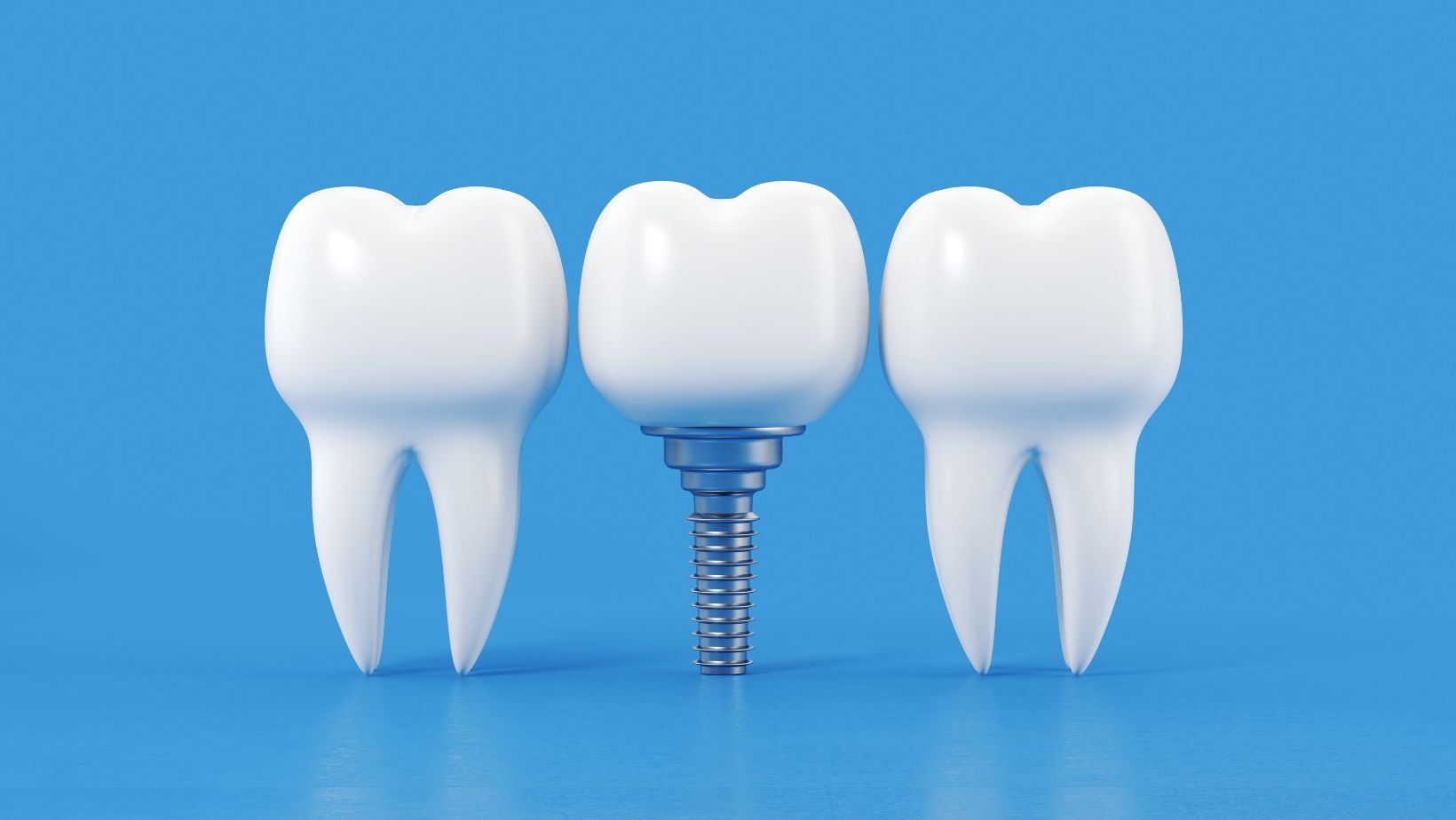
If you want a full set of stable teeth without placing an implant at every gap, All-on-4 gives you a fixed full-arch bridge supported by just four implants. This approach can restore biting strength, improve appearance, and often lets you leave surgery with temporary teeth the same day.
You will learn how the implants are placed, what to expect during recovery, and which results and trade-offs matter most—like fewer implants, faster treatment, and long-term maintenance needs—so you can weigh whether this solution fits your goals.
What Are All-on-4 Dental Implants?
All-on-4 dental implant uses four titanium implants to anchor a full set of replacement teeth. You get a fixed bridge for one jaw that restores chewing, speech, and appearance with fewer posts and often without bone grafting.
How All-on-4 Differs from Traditional Implants
All-on-4 places four implants per arch, not one implant per tooth. Two implants are placed near the front of your jaw and two are angled in the back to use denser bone. This design reduces the need for bone grafts and cuts surgical time.
Traditional implant plans may require 6–8 implants and extra surgeries if bone is thin. All-on-4 usually allows for a temporary fixed prosthesis the same day as surgery, so you leave with teeth. The permanent bridge comes after healing, which simplifies the timeline.
Who Is a Candidate for All-on-4 Treatment
You may be a candidate if you have many failing or missing teeth, loose dentures, or advanced dental decay. Good general health and manageable medical conditions are important for safe surgery and healing.
Severe bone loss in the back of the jaw can still be treated with All-on-4 because of the angled implants. However, active uncontrolled diabetes, heavy smoking, or untreated oral infection may disqualify you. A dentist will evaluate your jawbone with scans and review your medical history.
Full-Arch Restoration Benefits
You gain a stable, fixed prosthesis that functions like natural teeth for eating and speaking. Fewer implants mean lower upfront costs and a shorter treatment path compared with placing many single implants.
Maintenance is straightforward: daily brushing, flossing under the bridge, and routine dental checkups. Many patients report improved comfort and confidence versus removable dentures.
The All-on-4 Procedure Explained
This section explains how clinicians evaluate your mouth, place four implants, and attach a fixed prosthetic for a full arch replacement. Expect steps that focus on bone support, implant angulation, and a customized bridge that fits your bite.
Initial Consultation and Assessment
You start with a detailed exam and medical review. The dentist takes 3D imaging (CBCT) and digital or physical impressions to map bone volume, nerve positions, and sinus location.
The team checks your medical history, smoking, and medications that affect healing. Labs or clearance from your physician may be required if you have diabetes, heart conditions, or take blood thinners.
The clinician explains whether you need tooth extractions, bone grafting, or sinus lifts. Often All-on-4 avoids grafts by angling posterior implants into denser bone, but your scan determines that.
You get a written treatment plan showing number of visits, provisional teeth timing, and estimated costs. Ask about anesthesia options and expected recovery time.
Dental Implant Placement Process
Placement usually happens in one surgical appointment under local anesthesia with sedation or general anesthesia if you prefer. The dentist removes any failing teeth and prepares the jaw for four titanium implants.
Two implants go near the front, placed vertically into dense bone. Two implants are placed toward the back at an angle (typically 30–45 degrees) to increase contact with bone and avoid sinuses or nerves.
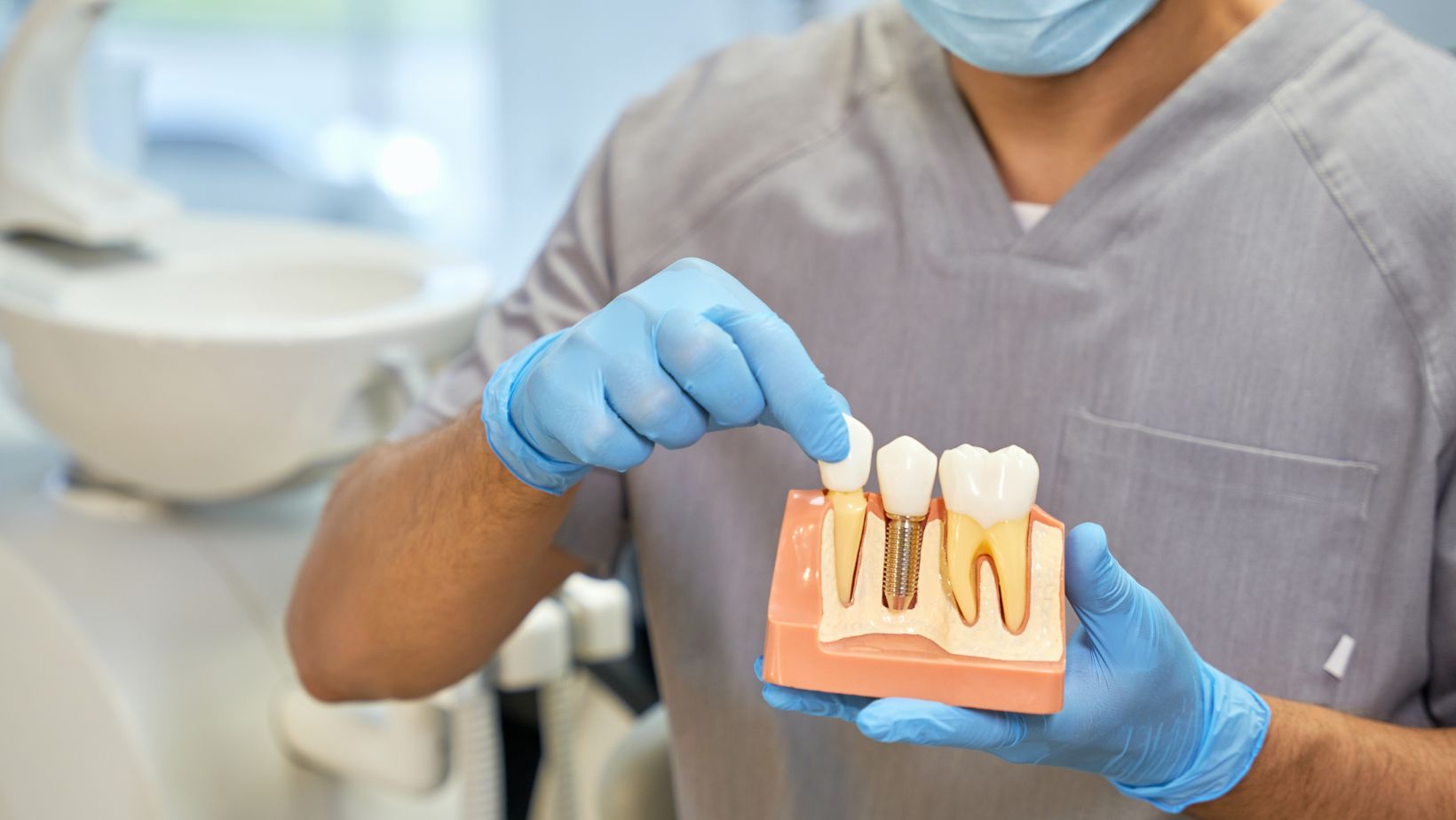
Surgeons use surgical guides made from your scan to place implants precisely. You may receive temporary, fixed teeth the same day (immediate load) if primary stability is adequate; otherwise you get a healing period of several months.
Expect swelling, light bleeding, and discomfort for a few days. The team gives post-op instructions, pain control, and antibiotics when needed to reduce infection risk.
Prosthetic Attachment and Customization
After implants heal and integrate (usually 3–6 months if not immediate), the clinician removes temporaries and takes final impressions or digital scans. Lab technicians craft a custom fixed bridge that matches your bite and appearance.
Prosthetic materials vary: acrylic over a titanium bar for economy, or porcelain/zirconia for greater strength and aesthetics. Your dentist will show shade, tooth shape, and length options to match your face.
The final bridge attaches to implant abutments with screws or cement. The dentist checks occlusion, speech, and comfort, then tightens and seals connections to manufacturer torque specs.
You receive care instructions: clean under and around the bridge with special floss or water flossers, schedule regular hygiene visits, and expect periodic screw checks. Follow-up appointments monitor bone levels and prosthetic fit.
Outcomes and Considerations
You can expect a secure, fixed prosthesis that restores chewing, speech, and appearance while needing regular care and checkups. Success depends on bone quality, oral hygiene, and following your dentist’s aftercare plan.
Expected Results and Functionality
All-on-4 gives you a full arch anchored on four implants, so you regain firm biting and clearer speech compared with removable dentures. Most patients can eat most foods within weeks, but avoid very hard items (like whole nuts or hard candy) until your dentist clears you.
Cosmetic results are strong: the bridge is custom-shaped to match your face and smile. Functionally, angled posterior implants increase jaw support where bone is thin, reducing the need for grafting.
Be aware of limitations. The prosthesis can fracture or chip under heavy force. You may feel differences in taste or temperature compared with natural teeth. Your dentist will test bite alignment and make adjustments to reduce wear.
Recovery Period and Aftercare
You may receive a temporary bridge the same day. Expect soreness, swelling, and light bleeding for 3–7 days. Use prescribed pain meds and ice packs, and follow soft-food guidelines for at least 1–2 weeks.
Daily care matters: brush twice a day with a soft brush and use an interdental brush under the bridge. Your dentist may recommend chlorhexidine rinse for a short period. Avoid smoking for at least a few weeks; smoking raises infection and implant-failure risk.
Attend follow-up visits at 1 week, 1–3 months, and as directed to check healing and occlusion. Report persistent pain, pus, or loose implants immediately.
Longevity and Maintenance Tips
With good care, many All-on-4 prostheses last 10–20 years; implants often last longer. Key factors are bone health, plaque control, and avoiding damaging habits like chewing ice or using teeth as tools.
Maintenance checklist:
- Brush twice daily and floss or use interdental cleaners daily.
- Schedule professional cleanings every 3–6 months as advised.
- Get occlusal checks yearly to catch wear or looseness early.
- Replace acrylic or composite teeth on the bridge if they wear or chip.
If you notice mobility, persistent redness, or increased sensitivity, contact your implant team. Early fixes often prevent major repairs.