
Living in a small town like New Market, VA, doesn’t limit your options for modern tooth replacement. You can get durable, natural-looking dental implants close to home, but you should know how the process, local provider options, costs, and insurance factors may differ from a larger city.
If you want a long-lasting, stable tooth replacement, implants are often your best choice — and you can find qualified care nearby, but expect to ask specific questions about provider experience, timelines, and out-of-pocket costs.
This post will walk you through how implants work, what to expect during the placement process in New Market, and the practical concerns people in small communities face when planning treatment.
Understanding Dental Implants
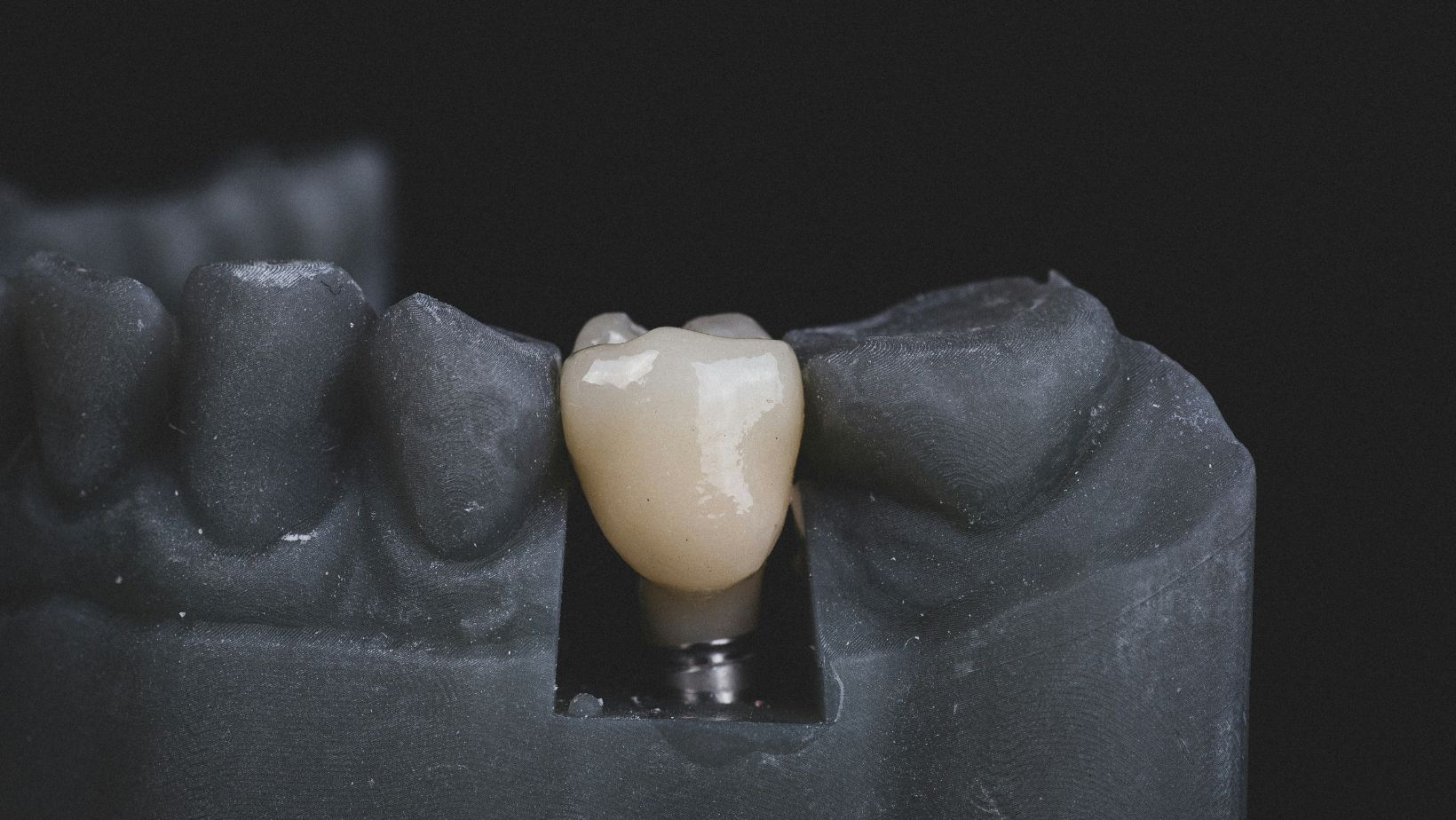
Dental implants replace missing teeth with a metal post anchored in your jaw and a visible crown that looks like a real tooth. They can restore chewing, speech, and appearance while lasting many years if you care for them.
What Are Dental Implants?
A dental implant has three main parts: a titanium or zirconia implant post placed into your jawbone, an abutment that connects the post to the crown, and a crown that looks like a natural tooth. The post fuses to bone through osseointegration, which makes the implant stable for chewing.
You usually need good jawbone volume and healthy gums before placement. If bone is low, your dentist may suggest bone grafting or a narrower implant. The process often spans months because healing and integration take time.
Types of Dental Implants Available
Common implant types include:
- Endosteal implants (most used): screw-shaped posts placed in the jawbone.
- Subperiosteal implants: a metal frame sits on the bone under the gum when bone height is low.
- Zirconia implants: metal-free option for those with metal sensitivities or esthetic concerns.
You can also get single-tooth implants, implant bridges for several missing teeth, or implant-supported dentures for full-arch replacement. Your dentist will recommend a type based on bone level, budget, and how many teeth you need to replace.
How Implants Differ from Other Tooth Replacements
Unlike dentures and bridges, implants replace the tooth root as well as the crown. This helps preserve jawbone by keeping normal bone stimulation from chewing.
Bridges require grinding down adjacent teeth for support; implants do not affect neighboring teeth. Dentures sit on the gum and can shift; implant-supported options stay fixed or clip securely in place. Implants usually cost more up front but offer better function and often last longer with good care.
Dental Implant Process in New Market, VA
You will learn how the implant is planned, placed, and restored, who provides each step locally, and how long healing and final results usually take. The information below focuses on what to expect in New Market, including local options and typical timeframes.
Steps of the Dental Implant Procedure
First, you will have a consultation with X-rays or a CBCT scan to check bone, nerves, and sinuses. Your dentist or oral surgeon will review medical history, discuss options, and create a treatment plan with implant size and crown type.
Next, the implant surgery places a titanium post into your jawbone. This usually takes 30–90 minutes per implant under local anesthetic; sedation may be offered. You may receive a temporary crown or healing cap depending on the case.
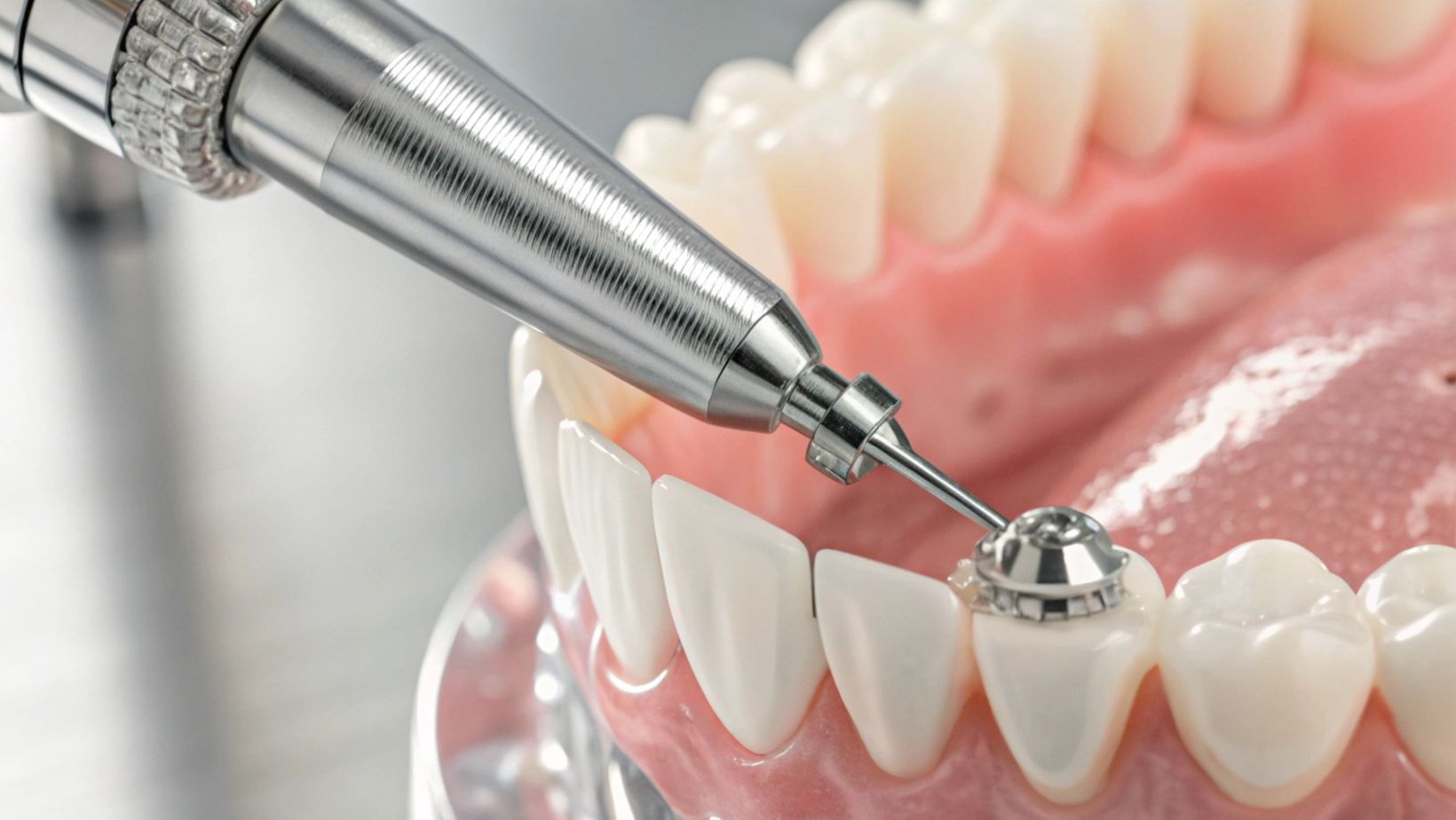
After surgery, the implant joins with your bone in a process called osseointegration. This can take 2–6 months. Once stable, your provider attaches an abutment and makes a final crown. You will have follow-up visits for checks and adjustments until the bite and fit feel right.
Local Providers and Specialists
In New Market, general dentists often handle initial exams, x-rays, and crowns. For implant placement, you may see a nearby oral surgeon or periodontist in Harrisonburg or Winchester if your case needs surgery or bone grafting.
Many clinics use 3D-guided planning to improve accuracy. Ask if your provider performs guided implant placement and uses CBCT scans. Also check if they coordinate care between the surgeon and restorative dentist so you keep one treatment plan and timeline.
Call offices to confirm experience, ask how many implants they place yearly, and whether they offer same-day temporaries. Verify payment options and whether they work with your insurance or offer financing.
Timeline for Recovery and Results
Day of surgery: expect numbness and some swelling. You will get aftercare instructions and likely a pain prescription or over-the-counter plan. Soft foods and rest for 48–72 hours help healing.
First 1–2 weeks: sutures, if used, may be removed. Swelling and mild discomfort should decrease. Avoid smoking, place no pressure on the implant site, and follow oral hygiene guidance.
2–6 months: osseointegration occurs. You will have periodic checks and possibly a follow-up scan. Once the implant is stable, your dentist will place the abutment and take impressions for the final crown.
Final restoration to full chewing strength typically takes 3–6 months. If you need bone grafts or sinus lifts, add 3–9 months to the timeline.
Considerations for Patients in Small Communities
You should weigh technology access, local support, and ongoing care needs when deciding on implants. These points affect cost, travel, and long-term success.
Access to Dental Implant Technology
You need to know what your local clinics can actually provide. Some small-town offices place mini implants or single-piece implants, while full-size titanium or zirconia implant systems and guided-surgery equipment may require traveling to the nearest city. Ask your dentist which implant brands and surgical tools they use, whether they perform bone grafts, and if they have on-site digital imaging (CBCT).
If you have low jawbone volume, check whether your local clinic offers grafting or if they will refer you. Also confirm expected timelines for appointments; limited staff can lengthen scheduling and healing follow-ups. Bring copies of any prior dental x-rays to speed evaluations.
Community Support and Referrals
Your best local resources include your family dentist, nearby specialists, and community health centers. Your dentist can often refer you to an oral surgeon or prosthodontist in the closest regional hub if the case is complex. Ask about established referral patterns and whether specialists return to the area for joint clinics.
Look for patient reviews and ask neighbors about aftercare experiences. If you rely on public transportation or have limited mobility, confirm travel distance, parking, and whether clinics offer telehealth check-ins. Local social services or senior centers may help arrange rides or financial counseling.
Maintenance and Long-Term Care
Plan for regular visits and predictable maintenance from the start. Implants need periodic exams, professional cleanings, and occasional adjustments to prostheses. Ask your provider for a written maintenance schedule—typical visits occur every 3–12 months depending on risk factors like gum disease or smoking.
Learn proper home care for implants and dentures, including the right brushes and interdental tools. If components like abutments or crowns fail, find out where you can get repairs quickly. Keep records of implant make and serial numbers; that helps any future dentist provide accurate service.
Costs and Insurance for Dental Implants
You will face several cost drivers in New Market, VA, and a few realistic insurance or financing paths to lower out-of-pocket expense. Expect prices to vary by clinic, materials, and any needed prep work.
Pricing Factors in New Market, VA
Local implant prices usually range higher than simple fillings because of materials and lab work. A single implant in nearby regions commonly falls between about $2,800 and $6,000; clinics in New Market may charge toward the lower or middle of that range depending on overhead.
You may need extra procedures that raise cost: bone grafts, sinus lifts, CT scans, or extractions. Each add-on can cost several hundred to a few thousand dollars. Ask the office for a written estimate that separates implant body, abutment, and crown.
Provider experience matters. Oral surgeons and specialists often charge more than general dentists, but they may reduce risk of complications. Request a cost breakdown, warranty on the crown, and whether follow-up visits are included.
Insurance Coverage and Financing Options
Most dental plans have limited or no coverage for implants. Check your plan’s occlusion: some insurers offer partial coverage for the crown or restoration but exclude the implant post. Annual maximums ($1,500–$3,000 common) can limit benefits.
Ask your employer plan or VA benefits rep whether implants qualify under your policy. If insurance denies implant coverage, get a predetermination in writing before you start treatment.
Consider financing: many local practices offer 6–12 month interest-free plans or longer-term loans through third-party companies. Dental savings plans and health-care credit cards (CareCredit or similar) can spread payments. Compare interest rates and total cost before signing.
Potential Value Compared to Alternatives
Compare implants to bridges and dentures on lifespan and long-term cost. A well-made implant can last decades with proper care, while bridges typically need replacement every 10–15 years. That longevity can make implants more cost-effective over time.
Factor in bone preservation and oral function. Implants help keep bone and chewing force, which reduces future dental needs. Removable dentures may cost less up front but can increase maintenance and replacement expenses.
Make a side-by-side cost estimate: include initial price, likely replacement intervals, and any added procedures. That gives you a clearer picture of long-term value versus short-term savings.