
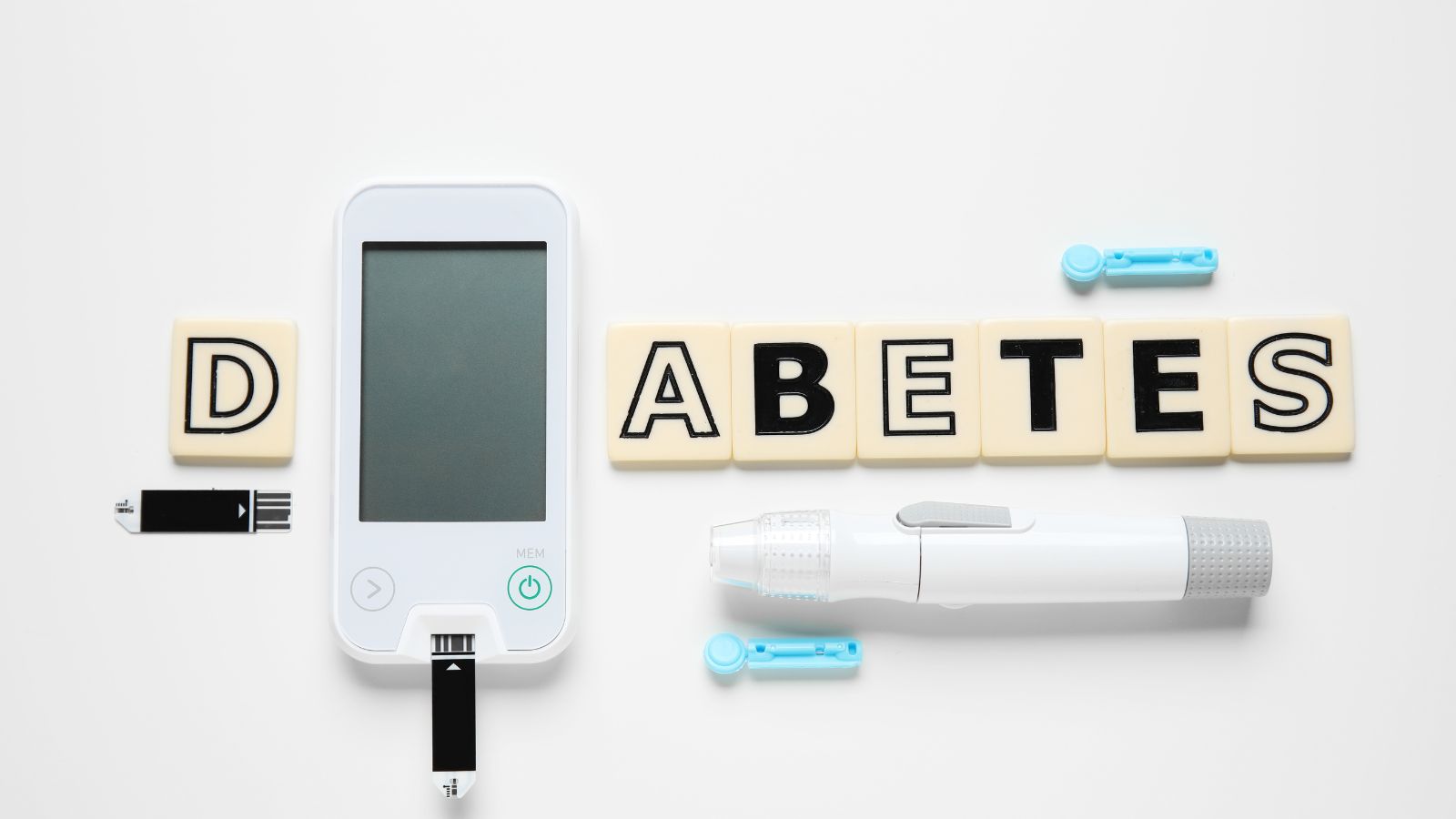
Post-COVID, the medical world continues to undergo a digital revolution, driven by the surge in telehealth and telemedicine. Saving time and costs while not sacrificing care, telehealth works across a broad range of medical issues, including chronic diseases like diabetes. This chronic disease needs daily management, and telehealth continues to rise to the challenge to provide professional and emotional support for diabetics.
Remote Glucose Monitoring
Remote monitoring enables physicians to access and intervene on health data via telemedicine and directly from patients, including those with diabetes. With telehealth, doctors can better allocate their time and resources to those who need in-person care, while keeping tabs on patients who aren’t physically visiting the office.
Keeping tabs on people with diabetes is essential because they need constant glucose monitoring. For people with diabetes who don’t have the time or live too far from qualified clinics, like in the southern American states like Mississippi and countries like Australia, virtual doctor’s appointments and follow-ups help keep them on track.
For patients with type one diabetes, using telehealth to monitor glucose with proper glucose monitors can help offset the development of this chronic disease into type 2 diabetes.
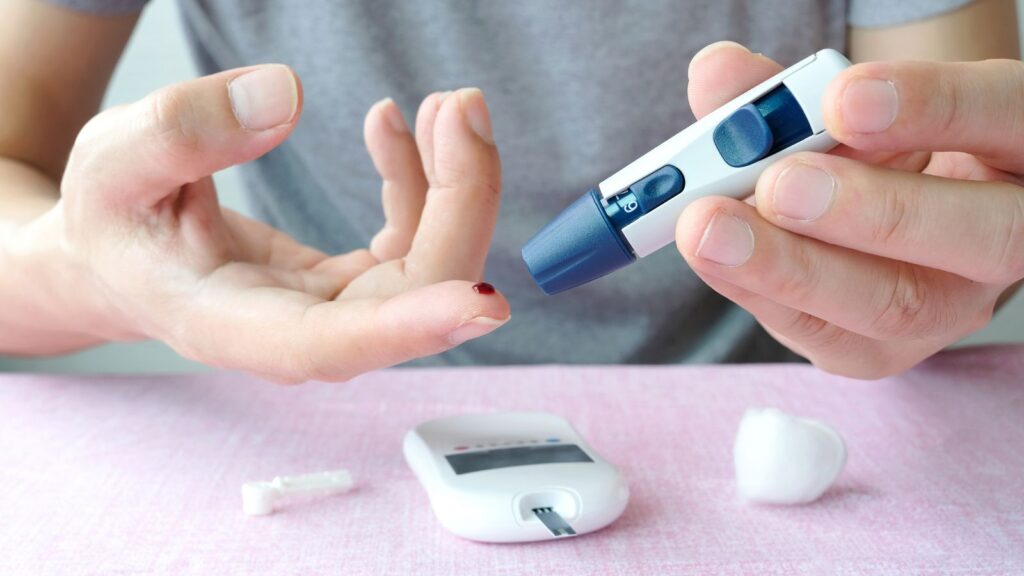
Preventive Care
Believe it or not, many statistics show that prediabetes is almost as prevalent as type one and type 2 diabetes. Medical research shows that unfortunately, 1 out of 3 Americans has prediabetes. In the United Kingdom, 1 out of 5 people has prediabetes, and, incredibly, 1 out of 6 Australians is diagnosed with prediabetes.
The key to battling diabetes is getting a jump on preventive care. This can prove difficult for those living in remote areas, especially in countries like Australia, where nearly entire regions are remote. Still, with advancements in telehealth technology, Australians can save time by turning to telehealth provider reviewers like Medicompare to determine which provider to choose for a free online GP appointment and other helpful informational sources.
Educational Programs and Emotional Support Groups
Group telehealth is conducted via video or phone calls, with all group members speaking at the same time. This can help diabetics find emotional support with other diabetics so they don’t feel ashamed or isolated. These telephone and video chats are helpful for diabetic specialists and doctors to educate the group and improve efficiency. The addition of chat and email provides more educational resources on diabetes and other medical issues, so members can reply and view them at their leisure.