

Modern vision correction has changed the expectations many patients bring into an eye appointment. They are not only asking whether they need glasses or whether they qualify for surgery. They are asking how precisely their cornea can be measured, whether more than one procedure can be compared, and how much the care plan can be customized to their daily life. In that environment, a modern refractive center often feels very different from a traditional ophthalmology model that is built mainly around broad medical eye care, routine eye exams, cataract care, or disease follow-up.
As Dr. Steven J. Dell puts it, “Dell Laser Consultants approaches SMILE and other vision correction choices by matching advanced testing to the patient’s anatomy, lifestyle, and long-term goals.” Modern refractive centers increasingly bring advanced diagnostics and surgical technologies together to offer customized options across a wider range of ages and refractive needs.
Modern vision correction practices feel ahead of the curve because they usually organize care around decision quality. The question is not simply whether a treatment can be performed. The question is whether it is the best fit. That difference matters because newer refractive surgery has moved toward individualized planning, better quality-of-vision goals, and wider treatment choice rather than a one-procedure-for-everyone mindset.
How Advanced Diagnostics Can Reveal The Details A Basic Exam Might Miss
Advanced diagnostics matter because many vision problems are layered. A patient may have refractive error, mild dry eye, subtle corneal irregularity, and lifestyle-related visual demands all at once. Basic refraction can identify only part of that picture. More specialized evaluation may include corneal topography or tomography, tear-film testing, meibography, optical biometry, and detailed surgical candidacy screening.
A 2024 review on optical biometry described modern ocular measurement as simpler, quicker, and more precise than older methods, while also emphasizing that topography and tomography are vital for identifying corneal abnormalities and planning refractive care.[3]
Dry eye diagnostics are a particularly strong example. Ophthalmology specialists discussing modern ocular-surface care in 2024 emphasized that osmolarity, MMP-9 testing, vital dyes, and meibography can reveal inflammation, tear-film instability, and meibomian gland status in ways that make diagnosis much more precise than before.[4]
That matters because ocular-surface health affects comfort, candidacy, and postoperative recovery in corneal refractive surgery. The American Academy of Ophthalmology’s refractive guidance states that effective treatment for dry eye should be achieved before keratorefractive surgery and identifies uncontrolled dry eye syndrome as a contraindication.[5]
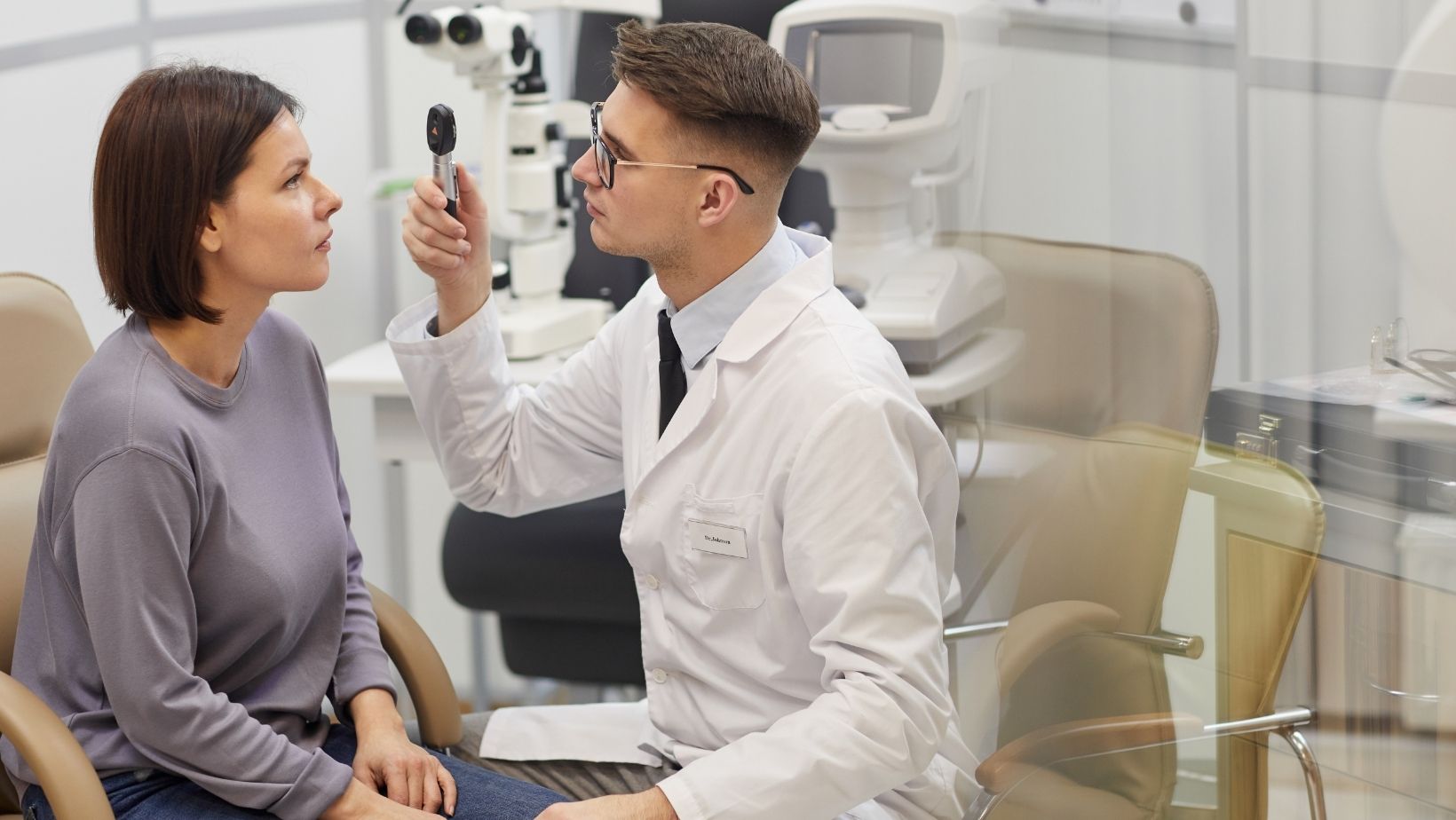
Basic exams are useful. Advanced diagnostics are explanatory. The difference between the two is often the difference between a routine answer and a confident plan.
Why More Treatment Options Can Lead To A Better Fit For Your Eyes And Your Life
A modern vision correction practice also stands apart because it often evaluates more than one pathway. Refractive specialists increasingly compare corneal procedures such as LASIK, PRK, and SMILE with lens-based options such as refractive lens exchange or premium IOL strategies when age, corneal shape, refractive error, and lifestyle call for a broader discussion. The launch of specialized refractive centers has been described as a way to offer customized options across ages and refractive errors rather than pushing one standard treatment.[2]
That breadth of choice matters because eyes are not interchangeable. A patient with high myopia, thin corneas, early presbyopic concerns, or chronic dryness may need a very different recommendation than a healthy younger myope with stable refraction. The FDA’s current PMA listing for the VisuMax femtosecond laser shows that SMILE has defined indication limits, including stable manifest refraction and specific myopia and astigmatism ranges.[6] A practice that can compare multiple options honestly is often better positioned to match the procedure to the patient instead of asking the patient to fit the procedure.
What Patients Notice When Modern Vision Correction Is Designed Around Clarity, Comfort, And Choice
Patients usually feel the difference in the consultation before they ever feel it in surgery. They notice when a practice asks about screen use, work demands, night driving, and long-term goals. They notice when dry eye is treated as part of surgical planning instead of an afterthought. They notice when more than one procedure is explained, and when the doctor is comfortable saying that the best choice may be to wait, treat the ocular surface first, or choose a different route entirely. These differences are not cosmetic. They are structural.
The same pattern appears in other areas of ophthalmology. A report in 2025 stated that glaucoma care is moving toward earlier, more proactive, and more personalized intervention, with clinicians focusing on which tool is best for which patient rather than simply reacting late in the disease process.[7] That same mindset separates modern refractive care from older routine models. A modern practice not only delivers technology. It uses technology to sharpen judgment.
A practice feels years ahead when it makes the patient feel more understood, not just more processed. Modern vision correction is different because it is more precise, more individualized, and more comfortable, choosing the best fit instead of the fastest default. That is what patients notice. That is what sets it apart.
References
[1] B. Gurnani, K. Kaur, Recent Advances in Refractive Surgery: An Overview, September 2, 2024.
[2] Kira Manusis, Sheryl Stevenson, Inside NYEE’s New Refractive Solutions Center with Kira Manusis, MD, June 20, 2025.
[3] M. Pathak, V. Sahu, B. K. Nayak, et al., Current Concepts and Recent Updates of Optical Biometry, 2024.
[4] Laura M. Periman, Anastasia Epitropoulos, Pearls Detail Targeted Interventions for Management of Dry Eye Disease, August 14, 2024.
[5] American Academy of Ophthalmology, Summary Benchmarks for Preferred Practice Pattern Guidelines, 2024.
[6] U.S. Food and Drug Administration, Premarket Approval for the VisuMax Femtosecond Laser, current PMA record accessed 2026.
[7] Emily C. Schehlein, What Changed in Glaucoma Care in 2025: Surgeon Perspective, December 30, 2025.