
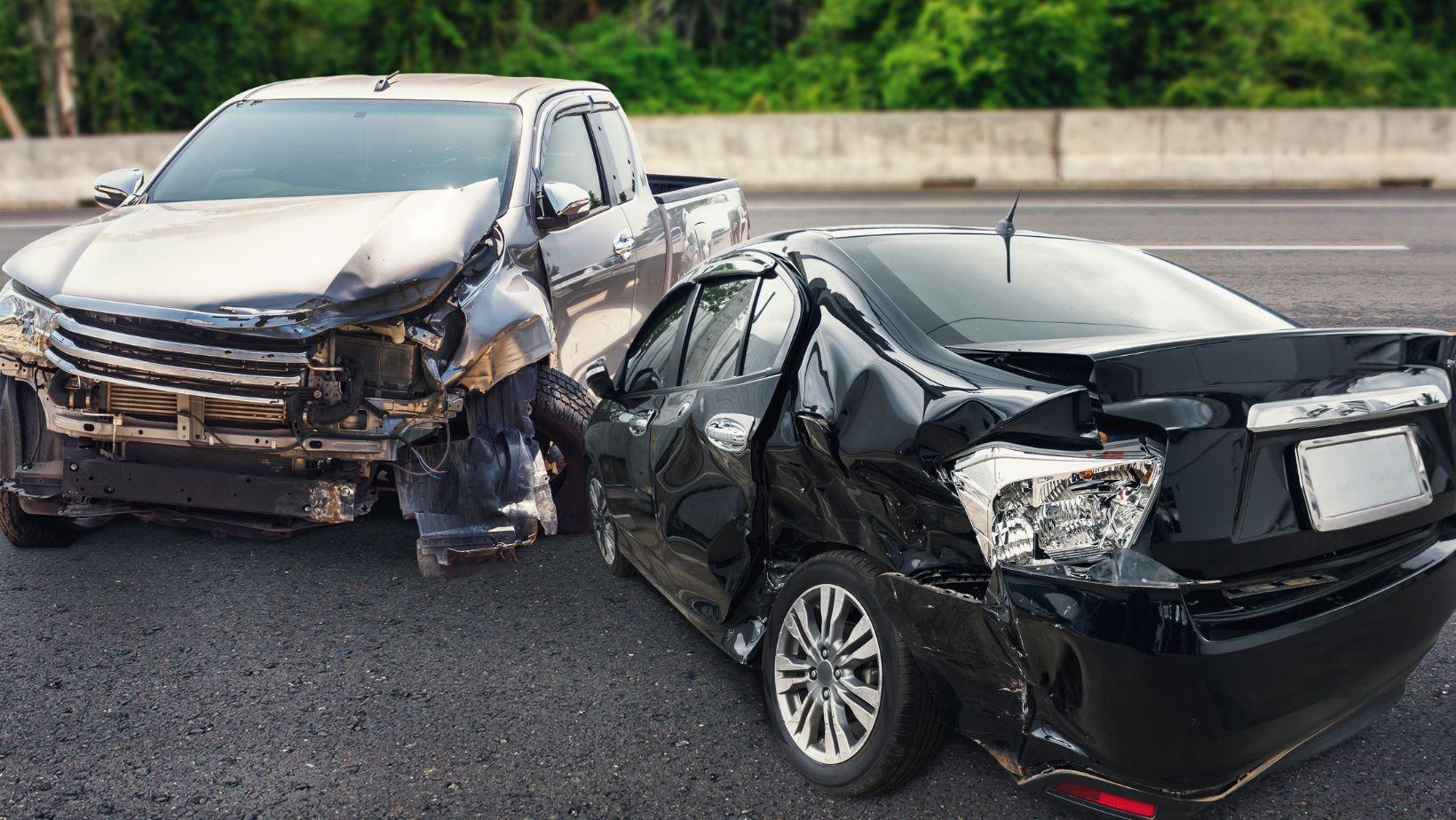
Internal organ damage can be one of the most dangerous outcomes of a serious accident. Unlike a broken bone, deep cut, or visible bruise, an organ injury may not be obvious at first. A person may feel sore, shaken, or tired without realizing that something more serious is happening inside the body.
These injuries can affect the lungs, liver, spleen, kidneys, bladder, intestines, or other internal structures. Symptoms may appear right away or develop over time. After a major accident, victims should pay close attention to abdominal pain, chest pain, dizziness, weakness, fainting, swelling, shortness of breath, nausea, or unusual bruising.
1. Car Accidents
Car accidents can cause internal organ damage through blunt force, seat belt pressure, airbag impact, sudden stopping, or the body striking part of the vehicle. Even when the outside of the body does not show severe injury, the force of the collision may affect organs inside the chest or abdomen.
A crash victim may first notice soreness across the stomach, ribs, or chest. These symptoms should not be dismissed as ordinary bruising without medical evaluation. Internal bleeding, lung injury, or abdominal trauma may become more serious if treatment is delayed.
2. Truck Accidents
Truck crashes often involve greater force because of the size and weight of commercial vehicles. A smaller passenger vehicle may be crushed, pushed, or spun during impact. This can expose occupants to violent movement and direct pressure against the body.
Internal injuries in truck crashes may involve the abdomen, chest, pelvis, or back. A victim may suffer damage from the steering wheel, dashboard, seat belt, door frame, or collapsing vehicle structure. These cases often require careful investigation because the seriousness of the injury may match the extreme force of the collision.
3. Motorcycle Accidents
Motorcyclists have little protection when a crash occurs. A rider may be thrown from the motorcycle, hit the pavement, strike another vehicle, or be pinned beneath equipment. The body may absorb direct impact without the protection of a vehicle frame.
Internal organ damage may occur when the chest, abdomen, or back hits the ground or another object. Rib fractures can also raise concern for deeper injuries. Riders should seek care after a serious crash, even if adrenaline makes the injury feel manageable at first.
4. Pedestrian and Bicycle Accidents
Pedestrians and cyclists are especially vulnerable when struck by a vehicle. The impact may throw the person onto the hood, windshield, pavement, curb, or another object. Even a lower-speed collision can cause serious internal trauma because the person has no outer protection.
A pedestrian or cyclist may suffer injuries to the abdomen, chest, kidneys, spleen, or lungs. Pain may not be fully clear at the scene because shock and fear can mask symptoms. Medical evaluation is important when the body has taken a direct blow.
5. Falls From Heights
Falls from ladders, stairs, balconies, scaffolds, roofs, loading docks, or elevated walkways can cause major internal injuries. The danger depends on the height, landing surface, body position, and whether the person struck objects during the fall.
A fall may cause organ damage through impact with the ground or compression of the body. A person may land on the side, back, chest, or abdomen and suffer injuries that are not immediately visible. A personal injury law firm in Tacoma may review medical records, scene evidence, and witness accounts when evaluating how a fall caused serious harm.
6. Crush and Compression Accidents
Crush injuries can happen when a person is pinned between vehicles, caught under heavy objects, trapped in machinery, or compressed during a workplace or construction accident. These incidents can place extreme pressure on the body.
Internal organs may be damaged by direct compression, reduced blood flow, fractures, or the force of being trapped. These accidents can also create complications after the pressure is released. Emergency care is especially important because the injury may affect more than the area that was visibly crushed.
Warning Signs Should Not Be Ignored
Internal organ damage may not always create immediate, sharp pain. Some people feel weak, dizzy, nauseated, short of breath, or unusually tired. Others notice swelling, tenderness, deep bruising, chest pressure, abdominal pain, or pain that worsens with movement.
A person should not try to “wait it out” after a serious impact. Symptoms that worsen, spread, or feel unusual should be evaluated quickly. Internal injuries can become more dangerous when bleeding, swelling, or organ damage continues without treatment.
Accident Evidence Can Explain the Force
The way an accident happened may help explain why internal organ damage occurred. Vehicle damage, impact points, fall height, landing surface, witness statements, photographs, video footage, and emergency response records can all help show the force involved.
This evidence matters when someone tries to minimize the injury. A person may look mostly unharmed after an accident, but the body may have absorbed serious trauma. The full scene can help explain what the medical records later reveal.
When Hidden Injuries Change Everything
Internal organ damage can happen after car crashes, truck collisions, motorcycle wrecks, pedestrian and bicycle accidents, falls from heights, and crush incidents. These injuries are serious because the harm may be hidden at first, while the medical consequences can be severe.
Accident victims should seek care, report every symptom, follow medical instructions, and keep careful records. When an accident causes internal damage, the claim should reflect the seriousness of the injury, the treatment required, the time away from work, and the long-term effect on daily life.