
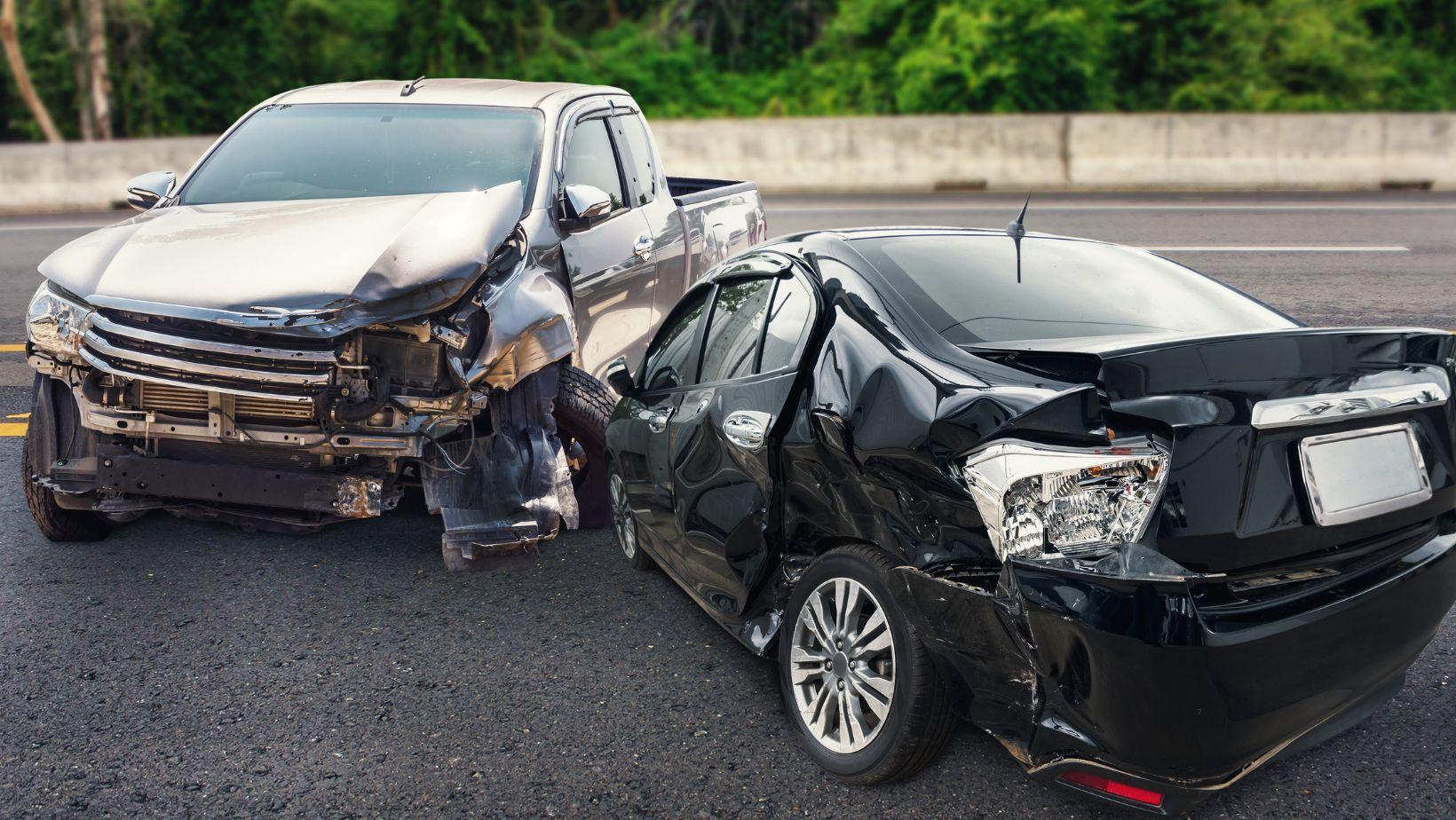
After a serious crash, the cause may not be clear right away. Drivers may blame traffic, weather, glare, a sudden stop, or another vehicle. But sometimes the details suggest that alcohol may have affected one driver’s judgment, reaction time, coordination, or ability to stay in control.
Alcohol-related crashes can leave victims with severe injuries and many unanswered questions. The signs may appear in the way the driver behaved before impact, what witnesses noticed, what police documented, or how the crash unfolded. When alcohol is suspected, the evidence should be gathered quickly before memories fade, vehicles are repaired, and video footage disappears.
1. The Driver Was Swerving or Drifting
One warning sign of possible impairment is poor lane control. A driver may drift between lanes, cross the center line, ride onto the shoulder, nearly hit curbs, or overcorrect sharply. These movements can suggest that the driver was struggling to focus or control the vehicle.
Witnesses may have noticed the vehicle moving unpredictably before the crash. Dashcam footage, traffic cameras, and nearby surveillance video may also show lane drifting. These details can help explain that the collision was not random, but the result of unsafe driving behavior before impact.
2. The Crash Happened Late at Night or Near Closing Time
Alcohol can be involved at any time of day, but some crashes raise more concern because of timing. Late-night, early-morning, weekend, or holiday crashes may lead investigators to ask where the driver had been and whether alcohol was consumed.
Timing alone does not prove impairment. A sober driver can crash late at night, and an impaired driver can crash during the day. Still, the time of the crash may help guide the investigation toward bars, restaurants, parties, receipts, rideshare records, or witness accounts from earlier in the evening.
3. There Was Little or No Braking Before Impact
A driver who is paying attention may brake, steer away, or take some action before a crash. When there are no skid marks, no signs of evasive movement, or no clear attempt to slow down, it may suggest the driver failed to recognize danger in time.
Alcohol can delay perception and reaction. An impaired driver may not notice stopped traffic, a red light, a pedestrian, or a turning vehicle until it is too late. Vehicle data, road marks, witness statements, and crash reconstruction may help show whether the driver reacted too late or not at all.
4. Witnesses Noticed Unusual Behavior
People near the crash may have seen or heard important details. A witness may describe the driver speeding, tailgating, weaving, running a light, nearly hitting other cars, or acting strangely after the collision.
Post-crash behavior can matter too. The driver may appear confused, aggressive, sleepy, unsteady, or unusually emotional. They may try to leave, avoid speaking with police, or refuse to explain where they had been. These observations should be documented quickly because witnesses may become harder to locate later.
5. Police Observed Signs of Impairment
Police reports may include observations that support alcohol involvement. Officers may note the smell of alcohol, slurred speech, bloodshot eyes, poor balance, open containers, admissions of drinking, field sobriety testing, or chemical test results.
These records can be important, but they may not tell the whole story. A police report may be incomplete, delayed, or limited to what the officer observed at the scene. Additional evidence may still be needed to show how alcohol contributed to the crash and the victim’s injuries. Premier drunk driving accident lawyers in Fort Lauderdale may review police findings along with video, medical records, witness accounts, and crash evidence to build a clearer picture.
6. The Driver Gave Conflicting Explanations
An impaired driver may struggle to give a consistent account of what happened. They may change details, blame different causes, or claim they do not remember the moments before impact. Their story may also conflict with physical evidence.
For example, a driver may claim another vehicle cut them off, but video may show they drifted into the lane. They may say traffic stopped suddenly, but vehicle data may show they were speeding and never braked. Inconsistencies can help expose whether the driver’s explanation is unreliable.
7. The Driver Left the Scene or Tried to Avoid Responsibility
A hit-and-run can raise questions about why the driver fled. Some impaired drivers leave because they fear arrest, testing, license consequences, or criminal charges. Others may panic because alcohol has affected their judgment.
Leaving the scene does not prove alcohol involvement by itself, but it can become part of the larger investigation. Camera footage, debris, witness statements, vehicle damage, and police work may help identify the driver. If the driver is found later, records may show whether alcohol was part of the reason they fled.
Evidence From Before the Crash May Be Important
Alcohol-related crash investigations may look beyond the crash scene. Receipts, bar tabs, restaurant records, security footage, social media posts, rideshare records, phone data, and witness statements may show where the driver was before getting behind the wheel.
These details can help establish a timeline. They may show whether the driver had access to alcohol, how long they were drinking, or whether others saw signs of impairment before the crash. This type of evidence can disappear quickly, so early preservation matters.
Victims Should Document Their Own Losses
While alcohol evidence explains the driver’s conduct, victims also need records showing how the crash affected them. Medical bills, emergency records, imaging, surgery notes, therapy reports, prescriptions, work restrictions, and pay records can all help document the harm.
Emotional effects should not be overlooked. Victims may struggle with fear, anger, sleep problems, anxiety, or trauma after learning the crash may have been caused by drunk driving. Counseling records or personal notes may help show these effects.
When the Signs Point to Impairment
Alcohol-related crashes often leave clues. Swerving, late-night timing, delayed braking, witness observations, police findings, conflicting stories, and fleeing the scene may all suggest that alcohol played a role.
No single sign proves everything. A strong investigation looks at the full picture, including driver behavior, physical evidence, police records, video footage, medical records, and the victim’s losses. When alcohol takes away the seconds needed to drive safely, the consequences can be devastating for everyone in the path of the impaired driver.