
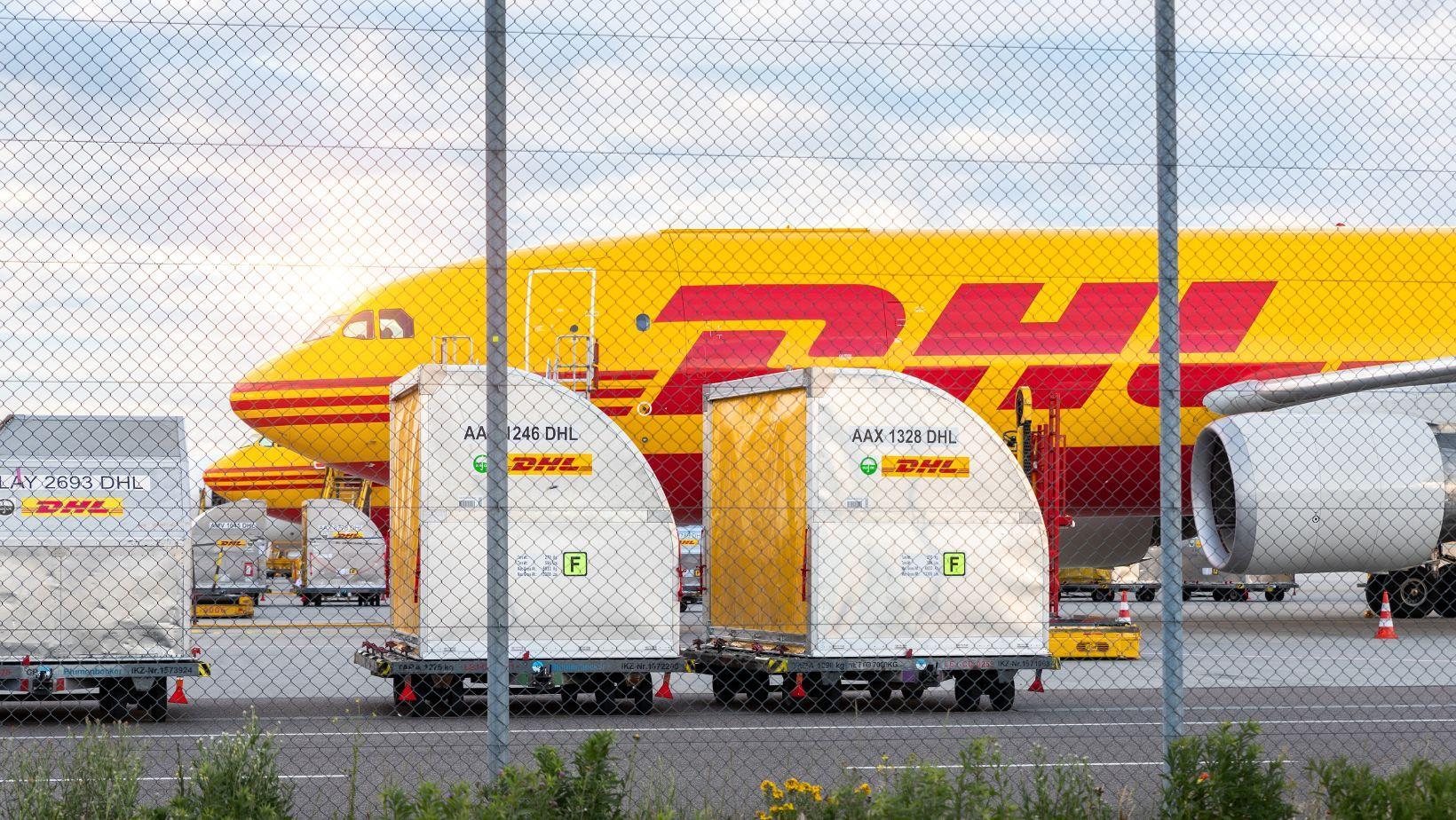
When standard shipping options fall short, air cargo charter provides businesses with a dedicated, on-demand solution for transporting freight quickly and reliably. By leasing an entire aircraft or a portion of its capacity, shippers gain direct control over routing, scheduling, and handling. This approach is widely used across industries where delays carry significant operational or financial consequences, including automotive manufacturing, pharmaceuticals, energy, and humanitarian relief.
What Air Cargo Charter Means
Air cargo charter refers to the arrangement of a dedicated aircraft outside the regular scheduled airline network. Rather than booking space alongside other shippers on fixed commercial routes, a company essentially rents the aircraft for a specific flight mission. The itinerary, departure time, and cargo configuration are all tailored to the shipper’s requirements. This level of customization makes charter air freight particularly well-suited for oversized goods, hazardous materials, temperature-sensitive products, and any shipment where timing is non-negotiable.
There are two primary formats. A full charter involves leasing the entire aircraft, giving the shipper complete control over the load and the flight plan. A part charter allows multiple shippers to share capacity on a single chartered flight, offering greater flexibility than scheduled services while distributing the overall cost. Both options provide more direct routing and faster transit times than conventional air freight alternatives.
How the Process Works
Arranging an air cargo charter begins with a detailed assessment of the shipment. The shipper provides the charter specialist or broker with information on payload weight, dimensions, origin and destination airports, and the required delivery window. Based on these specifications, the broker identifies a suitable aircraft from its network, which may range from mid-size freighters to heavy-lift planes such as the Boeing 747 freighter or the Antonov An-124, capable of carrying extremely large and heavy loads.
Once the aircraft is confirmed, the charter provider manages the operational logistics. This includes securing flight permits, coordinating with airport authorities, and planning any technical stops required for refueling on long-haul routes. Ground handling arrangements are also part of the service, covering specialized loading equipment such as cranes or custom pallets for oversized cargo. Throughout the operation, a dedicated team monitors the flight and keeps the shipper informed at every stage.
Key Advantages of Chartering a Cargo Aircraft
The most significant benefit of air cargo charter is speed. Direct point-to-point routing eliminates the transit delays associated with hub-and-spoke networks, where freight may be transferred multiple times before reaching its destination. Fewer handling points also reduce the risk of damage, which is especially important for fragile or high-value goods.
Flexibility is another core advantage. Charter flights can be arranged on short notice and can serve airports that are not part of standard commercial routes, including remote airstrips near industrial project sites or disaster-affected areas. This accessibility makes charter air freight a practical option in situations where conventional logistics infrastructure is limited or unavailable.
Industries That Rely on Air Cargo Charter
Several sectors depend on charter air freight as a regular part of their supply chain strategy. In the automotive industry, a single missing component can halt an entire production line, making the ability to fly parts directly to a factory within hours a critical capability. The energy sector uses charter flights to transport heavy drilling equipment, turbines, and generators to offshore platforms and remote project locations where ocean freight would take too long.
The pharmaceutical and healthcare industries rely on dedicated charter flights to move temperature-controlled medications, medical devices, and clinical supplies under strict handling conditions. In humanitarian operations, charter air freight enables rapid delivery of emergency supplies to regions affected by natural disasters or conflict, where speed and reliability can directly impact lives.
Selecting the Right Charter Solution
Choosing an appropriate air cargo charter solution depends on several factors, including shipment size, urgency, destination accessibility, and the nature of the goods. Working with an experienced charter specialist ensures that the right aircraft type is selected, all regulatory requirements are met, and the shipment is handled according to the necessary standards. Many providers offer 24/7 availability and can mobilize a flight within hours of an initial inquiry, making air cargo charter one of the most responsive freight options available in the global logistics market.