
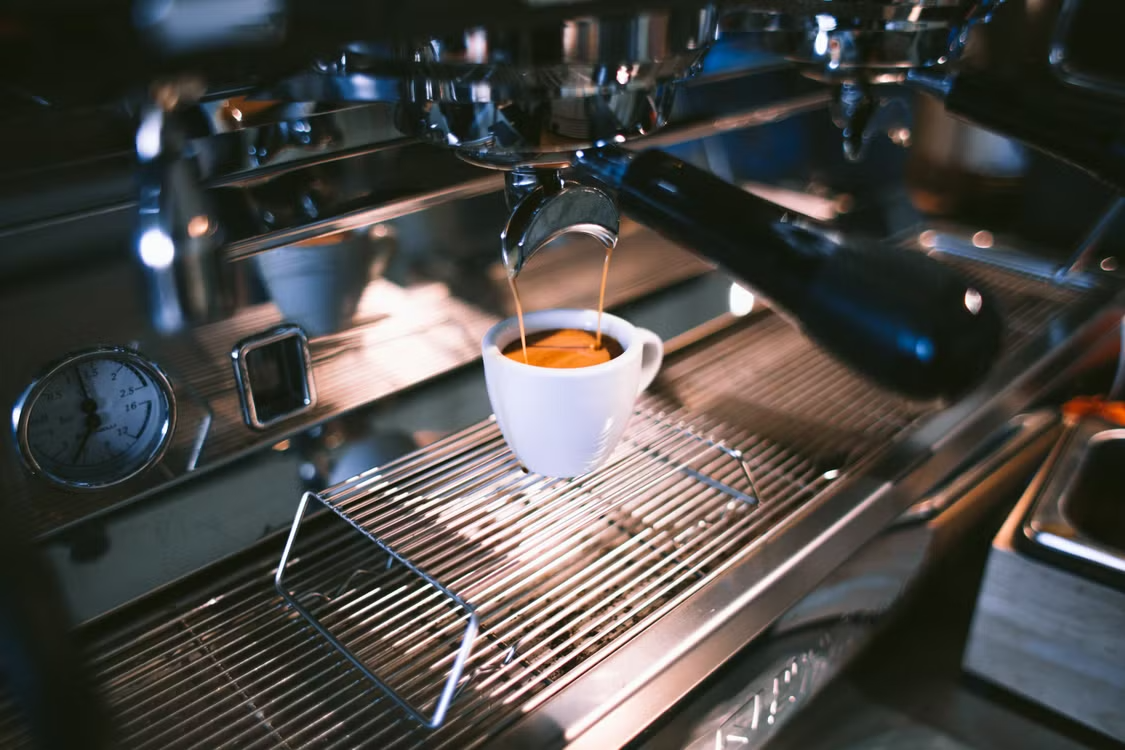
A morning coffee may seem simple and familiar, but there is a long journey behind it. The beans pass through dozens of hands, climate zones, and temperature conditions before becoming a drink with a recognizable flavor.
Some prefer a soft chocolate flavor, others choose a bright acidity, and Jacobs coffee remains the choice of those who enjoy legendary classics. And in each case, the final flavor results from numerous decisions made long before the beans are even placed in a Turkish coffee pot.
Where Coffee Grows and Why It Matters
Taste begins not in the roasting plant, but in the soil. The coffee tree is sensitive to altitude, climate, and soil composition. The higher the plant grows, the slower the berries ripen, and slower ripening usually produces a richer flavor. This is why beans from high-altitude plantations in Ethiopia or Colombia are often more expensive.
The region also leaves its mark. African varieties have bright acidity and fruity notes. Latin American varieties tend to be balanced with nutty notes. Asian varieties are earthy and full-bodied.
What Factors Shape the Flavor of Coffee Beans on the Plantation
Before the beans reach the roaster, they undergo a series of conditions that will affect the final flavor in one way or another. Here are the key ones:
- altitude;
- plant variety, Arabica or Robusta;
- amount of sunlight per season;
- harvesting method, manual or machine;
- post-harvest processing method;
- soil moisture and watering regime.
Each of these factors can influence the flavor. Hand-picking ensures only ripe beans are selected, and this has a direct impact on the sweetness of the drink.
Grain Processing: An Often Overlooked Step
After harvest, the grain is freed from its pulp and prepared for drying. This step is known as processing. A lot of the future flavor is developed here. There are several main methods: dry processing, in which the fruit is dried whole in the sun; washed processing, in which the pulp is removed immediately; and honey processing, which is somewhere in between the two.
Dry processing produces a richer, almost wine-like flavor because the grain is in contact with the pulp for a longer period. Washed processing, on the other hand, produces a cleaner, brighter flavor that highlights acidity.
Roasting as the Finishing Touch
Once the beans are dried and sorted, the roasting process begins. This is how the tasteless green bean turns into the aromatic product we buy in the store. The final flavor is determined by the roasting temperature and time. A light roast preserves natural acidity and fruity notes, while a dark roast makes the coffee bitter and caramel-flavored.
The experienced roaster treats the beans like an artist would a piece of art, watching the color, aroma, and sound change as the process unfolds. Roasting too quickly leaves the coffee sour and underdeveloped, while roasting too long burns out the delicate aromas, leaving only bitterness.
What to Look for When Choosing Coffee
If you want to find a coffee that suits your taste, it’s helpful to know what to look for when buying. Here are a few guidelines:
- region of origin;
- roast level on the packaging;
- processing method;
- roasting date, not just the expiration date;
- coffee variety, Arabica, or a blend with Robusta.
By the way, if you work in retail and are looking to diversify your coffee and other product offerings for your customers, GMI-Trading specializes in just such supplies. The company operates as a wholesale distributor and manufacturer of European and specialty food products for the US market.
Conclusion
The taste of coffee isn’t a coincidence or the result of just the barista. It’s the result of a long chain of decisions: where the tree was planted, how the crop was harvested, how the beans were processed, and how precisely they were roasted. The purchasing department wants to offer customers an interesting selection, and companies like GMI-Trading, with their flexible logistics and approach to brand selection, can make this task much easier.