
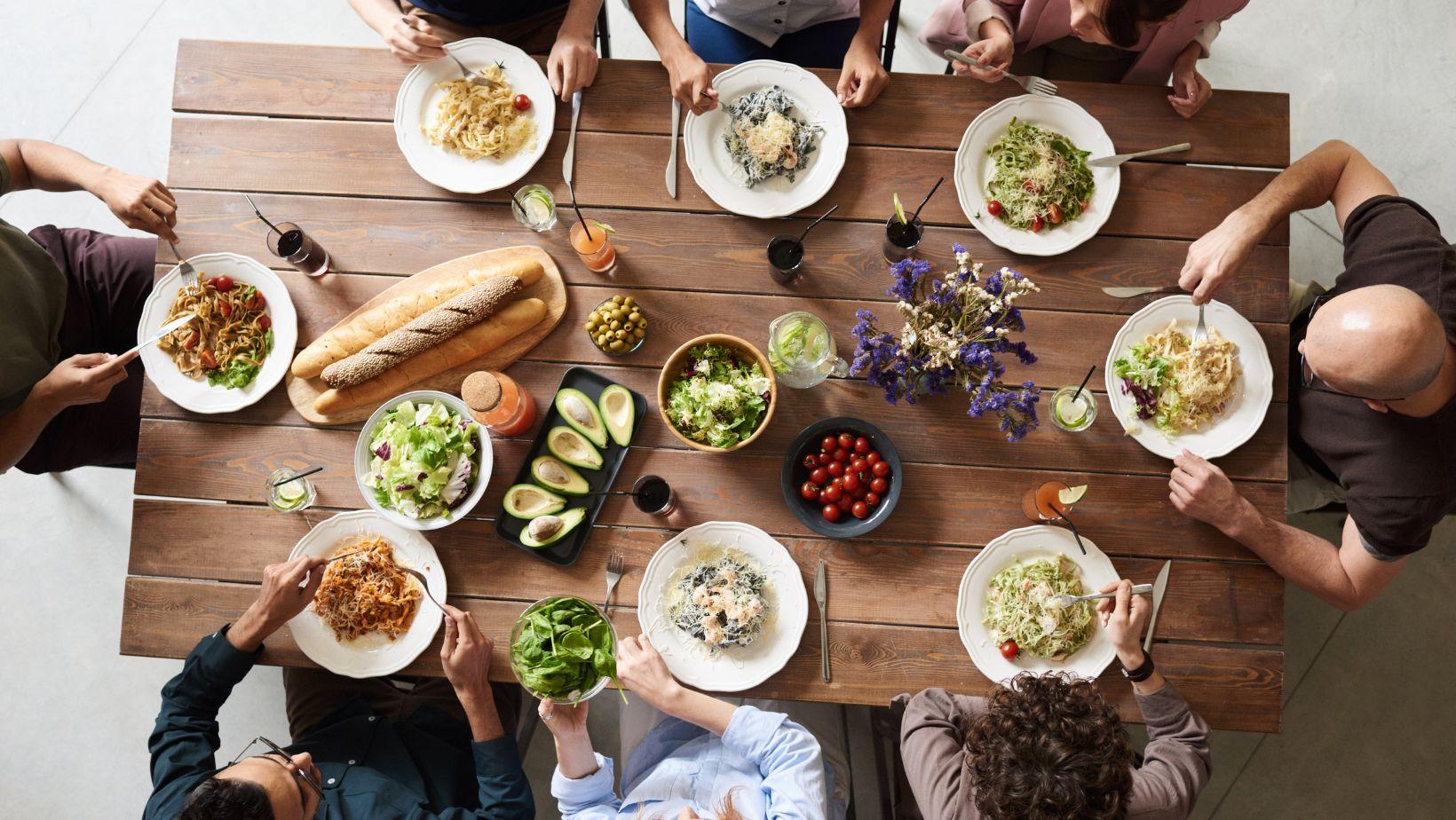
When one person becomes sick after eating, it can be hard to know whether food was the cause. When several people get sick after the same meal, the concern becomes much stronger. A shared illness may point to contaminated food served at a restaurant, catered event, family gathering, workplace meal, school function, cruise, hotel, or packaged food product.
Group illness should be taken seriously because it may involve a larger outbreak. The same contaminated food may have reached more people than those who are already sick. When several people develop symptoms after eating the same food, a national food poisoning lawyer may help review the evidence, illness timeline, medical testing, and possible source of contamination.
Start by Writing Down Who Got Sick
The first step is to identify everyone who became ill. Write down each person’s name, contact information, symptoms, when symptoms began, and whether they sought medical care. If possible, note whether anyone was hospitalized or tested.
This information can help show that the illnesses may be connected. It can also help public health officials or investigators see whether the same exposure caused multiple people to become sick.
Compare What Everyone Ate
Not every person at the meal may have eaten the same foods. Some may have eaten salad, meat, seafood, dessert, sauces, drinks, or sides that others skipped. Comparing what everyone ate can help identify the likely source.
Make a list of all food and drinks served. Then mark who ate each item. If only the people who ate one dish became sick, that may be an important clue. If everyone ate several shared items, the investigation may need more detail.
Record When Symptoms Began
Timing matters in food poisoning cases. Some illnesses begin within hours, while others may take days to appear. Writing down when each person ate and when symptoms started can help narrow the possible cause.
Include the first symptom, such as nausea, stomach cramps, vomiting, diarrhea, fever, chills, or weakness. Also note whether symptoms worsened over time. A clear timeline can help doctors, health officials, and investigators understand the pattern.
Encourage Medical Care When Symptoms Are Serious
Food poisoning symptoms should not be ignored when they are severe, ongoing, or affecting someone at higher risk. Medical care may be needed when symptoms include:
Medical care keeps you healthy and creates important records. Doctor visits, lab results, and tests help identify illnesses and their seriousness.
Ask About Testing Early
Testing can be especially important when multiple people are sick. A stool test or other lab work may identify bacteria, viruses, parasites, or toxins linked to the illness. Testing is often most useful before the infection clears.
If one person tests positive for a specific pathogen, it may help explain the symptoms in others who ate the same food. Testing can also support a possible outbreak investigation. Anyone who receives test results should save copies.
Save Leftovers and Packaging
If any food remains from the meal, do not throw it away immediately. Leftovers may help identify what made people sick. Store them safely in sealed containers, label them with the date, and avoid eating them again.
Packaging can also be important. Save boxes, bags, labels, lot numbers, expiration dates, receipts, delivery containers, and product photos. If food came from a restaurant or caterer, save menus, order confirmations, and invoices.
Preserve Receipts and Order Records
Receipts can connect the illness to a specific restaurant, store, delivery order, event vendor, or packaged product. Save paper receipts, credit card records, delivery app histories, email confirmations, catering contracts, and grocery loyalty card records.
These records may help identify where the food came from and when it was purchased. If several people ordered separately but became sick after eating the same item, those records can help show the connection.
Take Photos Before Details Disappear
Photos can preserve details that may change quickly. Take pictures of leftovers, packaging, labels, receipts, menus, serving trays, buffet setups, undercooked food, spoiled food, or unsafe storage conditions if visible.
Photos can also document illness-related details, such as hospital visits, medication, or visible signs of severe dehydration or weakness. While photos cannot prove everything, they can support the timeline and show the seriousness of the situation.
Report the Illness When Appropriate
When multiple people are sick after the same meal, reporting the illness may help protect others. Local or state health departments may investigate possible outbreaks, especially if a restaurant, event, school, workplace, or commercial product is involved.
Keep copies of any reports, emails, complaint numbers, or notes from calls. Public health investigators may ask what everyone ate, when symptoms began, and whether anyone had medical testing. Clear information can help them respond more effectively.
Avoid Guessing Publicly Too Soon
It is understandable to feel upset and want answers quickly. Still, it is best to avoid making public accusations before the facts are clearer. Several foods, ingredients, or sources may be possible at first.
Instead, focus on documenting what happened. Save records, seek testing, report concerns through proper channels, and gather information from others who became sick. Careful documentation is stronger than assumptions.
Keep Communication From the Food Provider
If someone contacts the restaurant, caterer, store, event host, or manufacturer, save all communication. This may include emails, texts, refund offers, apology messages, complaint responses, or statements about other reported illnesses.
Do not rely only on phone calls. If a conversation happens by phone, write down the date, time, person spoken to, and what was said. These notes may help later if the provider denies receiving complaints.
Track the Full Impact of the Illness
Group food poisoning can affect people differently. One person may recover in a few days, while another may need emergency care or develop lasting complications. Each person should document their own symptoms, medical care, missed work, expenses, and recovery.
Save bills, prescriptions, discharge papers, pay records, travel cancellation records, and other proof of losses. The impact of the same contaminated meal may vary from person to person.
When a Shared Meal Becomes a Shared Warning
When several people become sick after the same meal, the situation should not be dismissed as coincidence. A shared illness pattern may reveal contaminated food that harmed one group and may threaten others.
The most important steps are to write down who became sick, compare what everyone ate, preserve food and records, seek medical testing, report the illness when appropriate, and document the harm. These details can help identify the source, support public health efforts, and protect the rights of those who were seriously affected.