
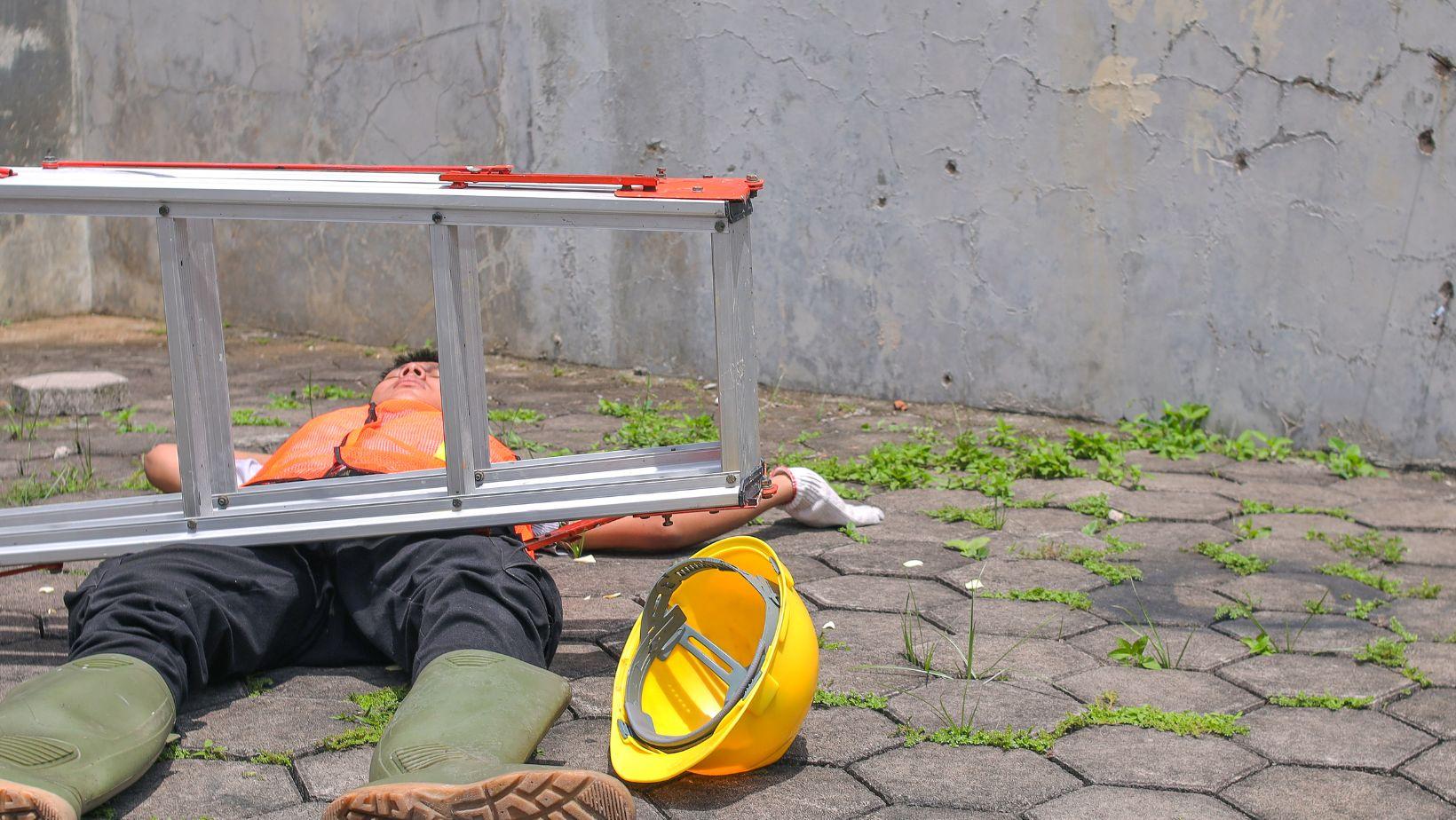
A fatal injury often leaves families with painful questions about what happened in the final moments before their loved one died. Police reports, medical records, photographs, and video footage may provide part of the answer, but they do not always capture the full event. People who saw the accident may supply details that cannot be found anywhere else.
Witnesses can describe the actions of a driver, property owner, employer, or other responsible party before the incident occurred. Their statements may help establish fault, correct an incomplete official report, or challenge a version of events offered by an insurance company. A wrongful death lawyer in Nashville, TN, may work to locate witnesses early, record their memories, and compare their accounts with the other evidence in the case.
A Witness May See What the Family Never Could
Family members are rarely present when a fatal accident happens. They may learn about the incident through a police officer, hospital employee, employer, or news report. Those sources may explain the basic facts without answering important questions about how the danger began.
An eyewitness may have seen a vehicle run a red light, a machine malfunction, a railing collapse, or a dangerous condition go ignored. Even a brief observation can help the family understand the sequence of events and identify conduct that deserves further investigation.
The Moments Before the Injury Often Matter Most
Physical evidence may show where an impact occurred, but it may not explain what happened seconds earlier. A witness could describe whether a driver was speeding, using a phone, following too closely, or failing to yield before a fatal collision.
In a premises or workplace incident, someone may have noticed that the victim received no warning about a hazard. These details can help show that the death was not an unavoidable tragedy but the result of conduct that placed the victim in danger.
Neutral Observers Can Add Credibility
Insurance companies may treat statements from relatives or close friends as biased because they have a personal connection to the victim. An independent witness who has no relationship with either party may be viewed differently.
A passerby, customer, nearby resident, coworker, or other driver may have no financial interest in the outcome. When that person’s account supports the physical evidence, it may strengthen the family’s position and make it harder for the responsible party to deny fault.
Separate Accounts Can Reveal a Clear Pattern
One witness may see only part of an accident. Another may observe the events from a different angle. When several accounts are compared, they can create a more complete picture of what happened.
For example, one person may have seen a driver looking down before impact, while another noticed that the vehicle never slowed. A third may describe the traffic signal or the victim’s position. Together, these details can support a timeline that no single witness could provide alone.
Witnesses Can Correct Errors in an Official Report
Police and incident reports are important, but they are not always complete. The responding officer may arrive after the accident, speak with only a few people, or rely on information available during a confusing scene.
A witness may identify an incorrect vehicle position, missing hazard, or statement that does not match what occurred. Witness testimony does not automatically replace an official report, but it can reveal questions that require a closer look.
Small Observations May Carry Great Weight
A witness does not have to see the entire accident to provide useful information. Someone may have heard tires screeching, noticed a broken light, seen a spill before a fall, or heard a supervisor dismiss a safety concern.
These observations may seem minor by themselves. When combined with photographs, maintenance records, electronic data, or expert analysis, they can help explain why the fatal injury occurred and whether it could have been prevented.
Memories Can Change Faster Than Expected
Human memory is not permanent. Details may become less clear as weeks and months pass, especially when the event was sudden or traumatic. A witness who remembers the sequence clearly soon after the accident may later struggle with exact distances, timing, or wording.
Early interviews allow important facts to be recorded while the memory is still fresh. Written statements, audio recordings, or formal testimony may preserve details before they become uncertain or are influenced by later conversations.
Witnesses Can Be Difficult to Locate Later
People who stop at an accident scene may leave before police collect their contact information. Nearby workers may change jobs, residents may move, and phone numbers may stop working. Delaying the search can make a valuable witness difficult or impossible to find.
Names may appear in police reports, emergency call records, business files, social media posts, or surveillance footage. Investigators may also return to the scene, speak with nearby businesses, or contact people who were known to be in the area.
Credibility Must Be Examined Carefully
Not every witness remembers an event accurately. Stress, distance, darkness, blocked views, or distractions can affect what someone saw. Two honest people may also remember the same event differently.
A careful investigation considers where the witness stood, what they could see, how long they observed the event, and whether their account remains consistent. Statements should be compared with physical evidence rather than accepted or rejected automatically.
Video Does Not Always Make Witnesses Unnecessary
Camera footage can be powerful, but it may not show the entire scene. A camera may be too far away, pointed in the wrong direction, blocked by another object, or unable to capture sound.
A witness can explain what happened outside the frame or provide context for unclear movements. They may also identify people, vehicles, warning sounds, or conditions that the recording alone cannot explain. Video and witness accounts often work best when used together.
Testimony Can Challenge Blame Directed at the Victim
Defendants and insurers may argue that the deceased person caused or contributed to the accident. They may claim the victim entered traffic carelessly, ignored a warning, misused equipment, or failed to watch for a hazard.
An eyewitness may directly challenge those claims. The person may confirm that the victim followed the signal, used the equipment properly, or had no reasonable chance to avoid the danger. Such testimony can protect the victim’s story when the victim is no longer able to speak.
Experts May Use Witness Accounts to Reconstruct the Event
Experts may review witness statements to clarify important details, including:
- Vehicle movement and speed
- The timing of the incident
- Visibility and lighting conditions
- Warnings, sounds, or signals
- How a dangerous condition developed
- The sequence leading to the fatal injury
They compare these accounts with photographs, measurements, damage, medical records, and scientific evidence. Consistent witness details can support stronger conclusions about how the event occurred.
Preserving the Voices That Help Explain the Loss
A wrongful death case is often built from many pieces of evidence, but eyewitness accounts can give those pieces meaning. Witnesses may explain what happened before the impact, what warnings were missing, and how the responsible party behaved immediately afterward.
Finding and preserving these accounts early can help families pursue both answers and accountability. When the person who died cannot describe the event, the voices of those who were present may become essential to showing how a preventable act led to an irreversible loss.