
Life today moves at a very fast pace. Most people feel like they are constantly rushing from one task to another without a break. This constant pressure can lead to high levels of stress and a feeling of being overwhelmed. While exercise is a great way to stay fit, the mind needs its own form of training. This is where mindfulness and yoga come together to provide a powerful solution for modern living.
Yoga is not just about stretching the body; it is about calming the nervous system. When we combine physical movement with deep focus, we teach the brain how to stay quiet. This practice helps us handle the challenges of a busy day with more ease and less frustration. By learning how to stay present on the mat, we gain the tools to stay balanced when we are off the mat as well.
The Connection Between Breath and the Brain
The most important tool for stress relief is something we do every second of the day. Our breath is a direct link to the part of the brain that controls our “fight or flight” response. When we are stressed, our breathing becomes shallow and fast. Yoga teaches us how to reverse this process by taking slow and deep breaths. This simple shift tells the brain that we are safe and it is okay to relax.
Advanced yoga techniques focus heavily on Pranayama, which is the formal practice of breath control. By learning different breathing patterns, you can change how you feel in an instant. Some breaths are designed to cool the body down, while others help to clear a foggy mind. Mastering the breath is the first step in mastering the stress that comes with a busy lifestyle. It is a portable tool for peace.
Using Movement to Quiet the Busy Mind
Many people find it hard to sit still and meditate when they are stressed. Their thoughts continue to race even when their body is resting. A physical yoga practice, or Asana, helps by giving the mind a job to do. Instead of worrying about the future, you focus on the alignment of your feet or the reach of your arms. This focus creates a state of “flow” where the outside world disappears for a while.
This type of movement helps to release the physical tension that stress stores in our muscles. Most people hold their stress in their neck, shoulders, and hips. By moving through a series of poses, we physically “wring out” the body. This release of physical tightness often leads to a release of mental tightness as well. It is a way to hit the reset button on your entire system.
Why Professional Training Enhances Your Practice
Teaching others how to find peace requires a deep understanding of both the body and the mind. It is about more than just knowing a few poses; it is about knowing how to create a safe space for healing. This is why many people who want to share this gift choose to visit https://www.americansportandfitness.com/products/yoga-certification. This education provides the science behind why yoga works so well for stress relief and mental health.
Having a formal background allows you to guide students with confidence. You learn how to sequence a class so that it moves from high energy to deep relaxation. You also learn how to use your voice and your words to help people let go of their worries. A professional credential ensures that you are providing the highest quality of care to those who are looking to improve their lives through yoga.
- Learn the anatomy of the spine and how it impacts the nervous system.
- Discover the history of mindfulness and how it has evolved over time.
- Gain the skills to lead meditation and deep relaxation sessions.
- Understand how to modify poses for people with different physical needs.
Mastering the Art of Restorative Poses
While some yoga is fast and powerful, restorative yoga is the ultimate tool for stress. In this style, you use props like blankets and pillows to support the body completely. You hold poses for a long time, allowing the muscles to relax without any effort at all. This deep rest is where the real healing happens for the mind and the body. It is the opposite of the “hustle” culture we see every day.
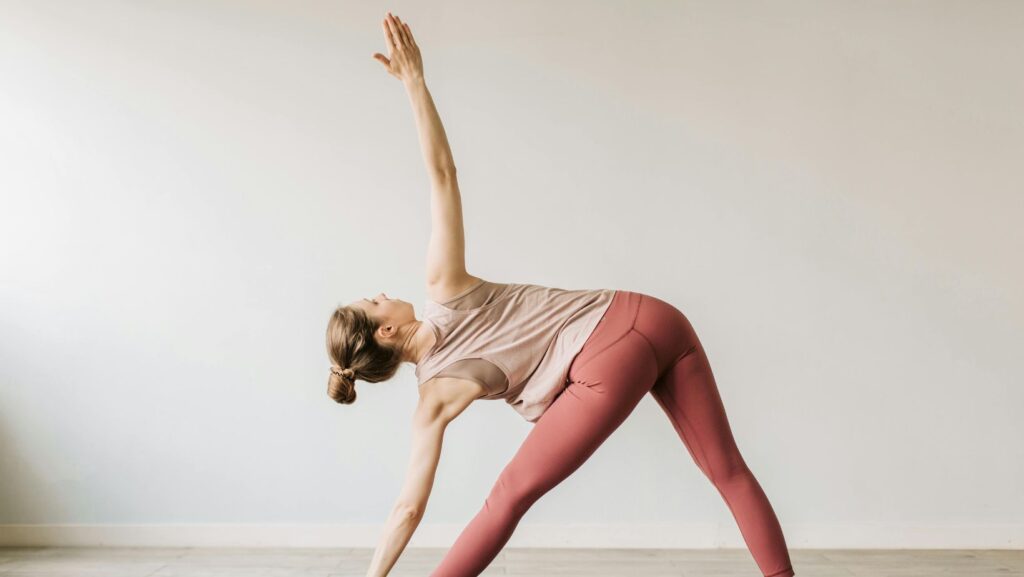
Restorative poses help to lower the levels of cortisol, which is the body’s primary stress hormone. When cortisol levels are low, our sleep improves and our immune system gets stronger. Teaching people how to rest is one of the most valuable skills a yoga instructor can have. It provides a sanctuary of quiet in a world that is often very loud and distracting.
Incorporating Mindfulness into Every Day
The goal of yoga is not just to feel good during the class, but to feel better throughout the day. Mindfulness is the practice of being aware of what is happening right now without judging it. In a yoga class, you might practice being mindful of a difficult pose. In real life, you might practice being mindful while you are stuck in traffic or waiting in a long line at the store.
A professional background helps you teach these concepts in a way that is easy for people to understand. You can show your students how to take a “mindful minute” whenever they feel their stress levels rising. These small moments of awareness add up to a much calmer and happier life. It is about turning the lessons of the mat into a way of living that honors peace.
The Science of Yoga and Mental Clarity
Research has shown that regular yoga practice can actually change the structure of the brain. It can increase the size of the areas responsible for memory and emotional control. This means that yoga does more than just help you relax; it makes you more resilient to future stress. It is like an insurance policy for your mental well being. The more you practice, the stronger your “calm muscles” become.
This mental clarity helps you make better decisions and stay focused on what truly matters. Instead of reacting to every little problem, you learn how to respond with a clear head. This is a massive advantage in both your personal life and your career. When you are less stressed, you are more creative and more productive. Yoga provides the mental space needed for your best ideas to grow.
- Regular practice can improve sleep quality and duration.
- It helps to balance the hormones that control mood and energy.
- Yoga increases self awareness, which is the key to personal growth.
- It provides a sense of community and support for those who practice together.
Helping Others Find Their Center
There is a great deal of joy in helping someone else find their way out of stress. As a yoga teacher, you are a guide who helps people reconnect with themselves. You watch as their faces soften and their shoulders drop during a class. This transformation is what makes the job so rewarding. You are providing a service that makes the world a kinder and more peaceful place for everyone.
If you have a passion for wellness, getting a qualification is a logical next step. It turns your personal practice into a professional skill that can help hundreds of people. You can work in studios, community centers, or even online. The flexibility of a yoga career allows you to build a life that matches your own values of balance and peace.
Adapting Yoga for Modern Challenges
The world is always changing, and the stressors people face change with it. A modern yoga teacher must be able to adapt their classes to meet these new challenges. This might mean focusing on “tech neck” caused by phones or the isolation felt from working at home. By staying updated with your education, you can provide the specific help that people need right now.
Yoga is a living practice that continues to evolve. While the roots are ancient, the application is perfect for the 21st century. By bringing mindfulness into your classes, you are giving people a timeless gift. You are showing them that even in the middle of a storm, they can find a place of quiet within themselves. This is the true power of advanced yoga techniques.
Conclusion
Teaching mindfulness through yoga is one of the most effective ways to combat daily stress. By focusing on the breath, the body, and the present moment, we can find a sense of “Zen” anywhere. A structured certification provides the foundation needed to share this practice with others in a safe and professional way. It is a journey that benefits the teacher as much as it does the student.
Remember that peace is not something you find; it is something you create through consistent practice. Start with a single breath and a single pose, and watch as your life begins to change. The more you share this light with others, the brighter your own path becomes. Stay dedicated to the journey of mindfulness, and let yoga be your guide to a life of less stress and more joy.