
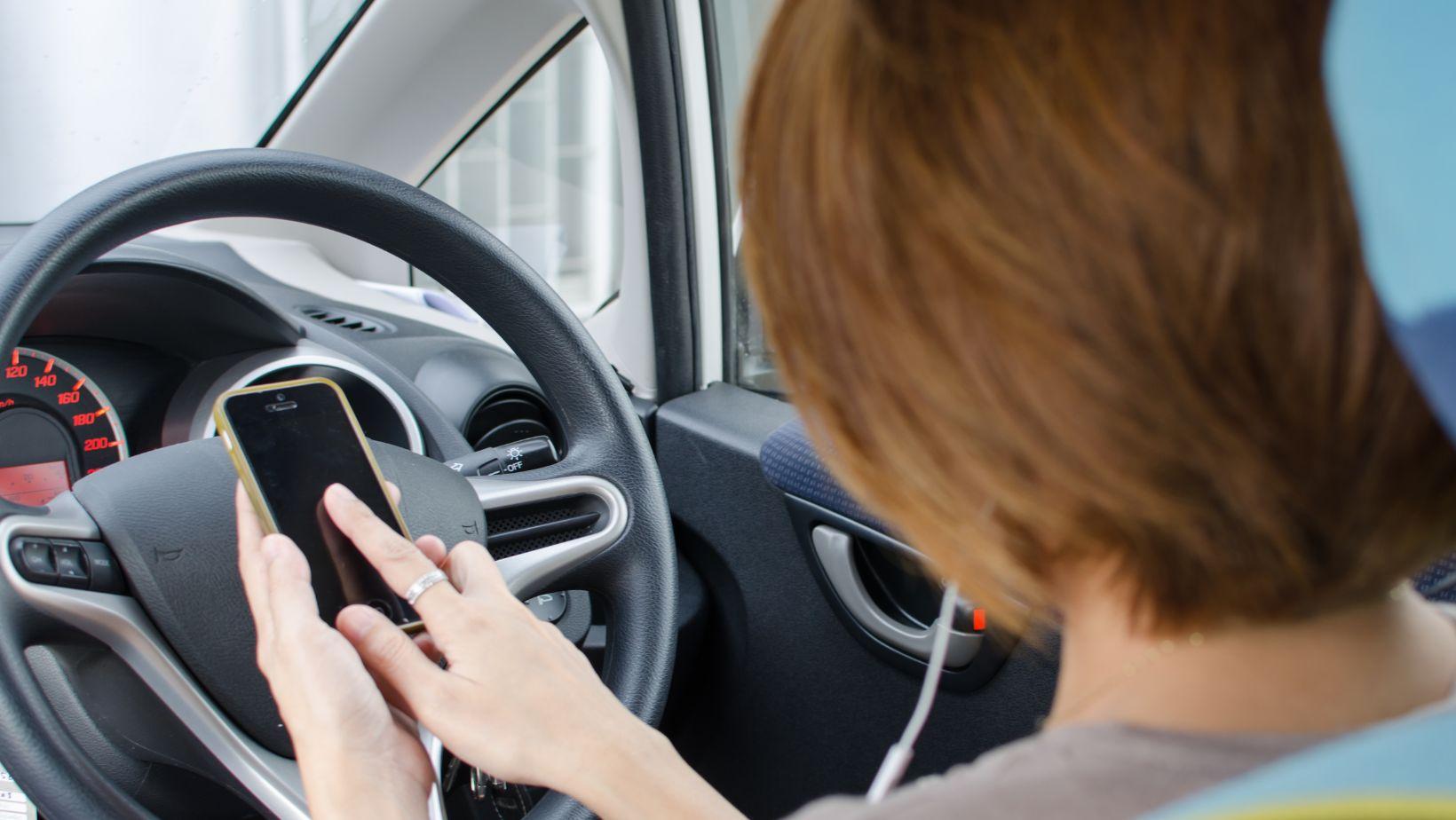
A serious car accident may raise questions about whether one of the drivers was distracted immediately before the collision. A vehicle might continue toward stopped traffic without braking, move unexpectedly across a roadway, or fail to respond to a changing traffic signal. When the cause is disputed, investigators may examine whether the driver was communicating, using an application, or interacting with a mobile device.
Cell phone evidence can provide useful information, but it does not automatically prove distracted driving. Phone records may establish that certain communications occurred, while other evidence may be needed to determine who used the device and whether that activity contributed to the crash. The National Transportation Safety Board reported that 64,979 crashes in 2023 involved cell phone use while driving, with 397 deaths occurring in crashes where at least one driver was using a cell phone.
1. Unexplained Driving Behavior May Raise Questions About Phone Use
Some collisions involve driving behavior that is difficult to explain through roadway conditions alone. A driver may fail to react to a clearly visible traffic queue, continue through an intersection after a signal changes, or move unexpectedly without responding to nearby traffic. These actions may lead investigators to consider possible distraction, fatigue, impairment, or another reason for the delayed response.
Cell phone activity is only one possible explanation. Witness accounts, roadway conditions, vehicle movements, and statements made after the crash may help determine whether phone use deserves further investigation. Evidence should establish what the driver was doing rather than assuming that an unusual collision must have involved a mobile device.
2. Phone Records May Require Formal Legal Procedures
Cell phone records are private information, and another driver generally cannot obtain them simply by requesting access from a wireless provider. When relevant evidence is needed for a civil case, the parties may use legally authorized discovery procedures. Depending on the circumstances, obtaining records may require consent, appropriate notices, subpoenas, or judicial review.
Someone seeking an experienced San Bernardino car accident lawyer may need help determining whether phone records could support an investigation and which legal procedures apply. California courts explain that subpoenas involving phone communications, text messages, and similar records have special privacy protections. The court system also explains that consumers generally must receive notice before certain records are subpoenaed, giving them an opportunity to object.
3. Wireless Carrier Records and Phone Data Are Not Identical
Wireless carriers and mobile devices may store different kinds of information. A carrier’s records may contain details about certain calls, communication times, and account activity. Information stored directly on a phone may include application records, notifications, locally saved messages, or other device-specific activity that does not appear in ordinary billing statements.
This difference matters when an accident involves suspected texting, navigation use, or interaction with an application. A phone bill may show a completed call but provide little information about whether the driver opened a navigation app or viewed a notification. Investigators must understand the limitations of each source before deciding whether the available records support the allegation.
4. Digital Timestamps Need to Match the Accident Timeline
Digital records often contain timestamps, but those times must be interpreted carefully. A communication record may use a different time zone from a police report, surveillance system, or vehicle recording. Some systems may also record when information was sent, received, processed, or synchronized rather than the exact moment a person viewed it.
For example, a message recorded at 4:32 p.m. may seem important if the collision occurred around the same time. However, investigators still need to determine whether the timestamp represents message delivery, account activity, or actual interaction with the device. Comparing the records with independent timing evidence can help prevent inaccurate conclusions about what happened immediately before impact.
5. Hands-Free Conversations Can Still Divide a Driver’s Attention
A driver may argue that phone use could not have contributed to the accident because the device was connected through Bluetooth or another hands-free system. Although hands-free technology can reduce manual interaction, it does not eliminate the mental demands of a conversation. Listening and responding can compete with the attention needed to recognize developing hazards.
Research summarized by the National Highway Traffic Safety Administration found that 47% of surveyed respondents felt safe when a driver used a hands-free phone to make or answer calls, compared with 35% who felt safe when a driver used a handheld phone. These figures reflect perceptions rather than actual crash probabilities. The National Transportation Safety Board also warns that cognitive distraction remains a concern even when a driver does not physically hold a phone.
6. Preserving Phone-Related Evidence May Require Early Action
Digital evidence can become difficult to recover if a device is replaced, an account is closed, or information is deleted. Service providers also maintain different categories of records under different retention practices. When a serious accident may involve distracted driving, identifying relevant information early can help prevent potentially useful evidence from becoming unavailable.
Material that may be relevant includes:
- Available call and message timestamps
- Relevant application activity, when lawfully accessible
- Witness statements concerning device use
- Dashboard or surveillance recordings
- Statements made by the drivers after the collision
- Police observations about possible distraction
- Device preservation information and available backups
- Independent records establishing the collision time
A legal preservation request may help identify information that should be retained. However, private accounts and devices must be accessed through lawful means, and the evidence requested should be relevant to the disputed circumstances.
7. Phone Activity Must Be Connected to the Driver’s Actions
A record showing that a communication occurred shortly before a collision does not necessarily establish negligence. The phone might have been used by a passenger, the message may have arrived without being opened, or a call may have ended before the driving situation became dangerous. The evidence must still establish whether the driver was distracted and whether that distraction contributed to the accident.
The National Highway Traffic Safety Administration’s observational research estimated that 7.6% of drivers were using some type of phone during a typical daytime moment in 2021. This shows that phone use while driving is widespread, but it does not establish fault in an individual collision. A legal claim requires facts connecting the alleged distraction to the driver’s conduct and the resulting injuries.
Phone Records Are One Part of a Larger Investigation
Cell phone records may become important when a serious collision raises questions about the driver’s attention. Carrier records, device information, communication timestamps, and witness observations can help explain what was happening before impact. Their usefulness depends on whether the information is reliable, legally obtained, and properly compared with other evidence.
A careful investigation should distinguish between receiving a communication and actively using a phone while driving. It should also consider alternative explanations for the collision, including traffic conditions and the behavior of other motorists. When digital evidence is preserved and interpreted accurately, it may help establish whether distracted driving contributed to the crash.