
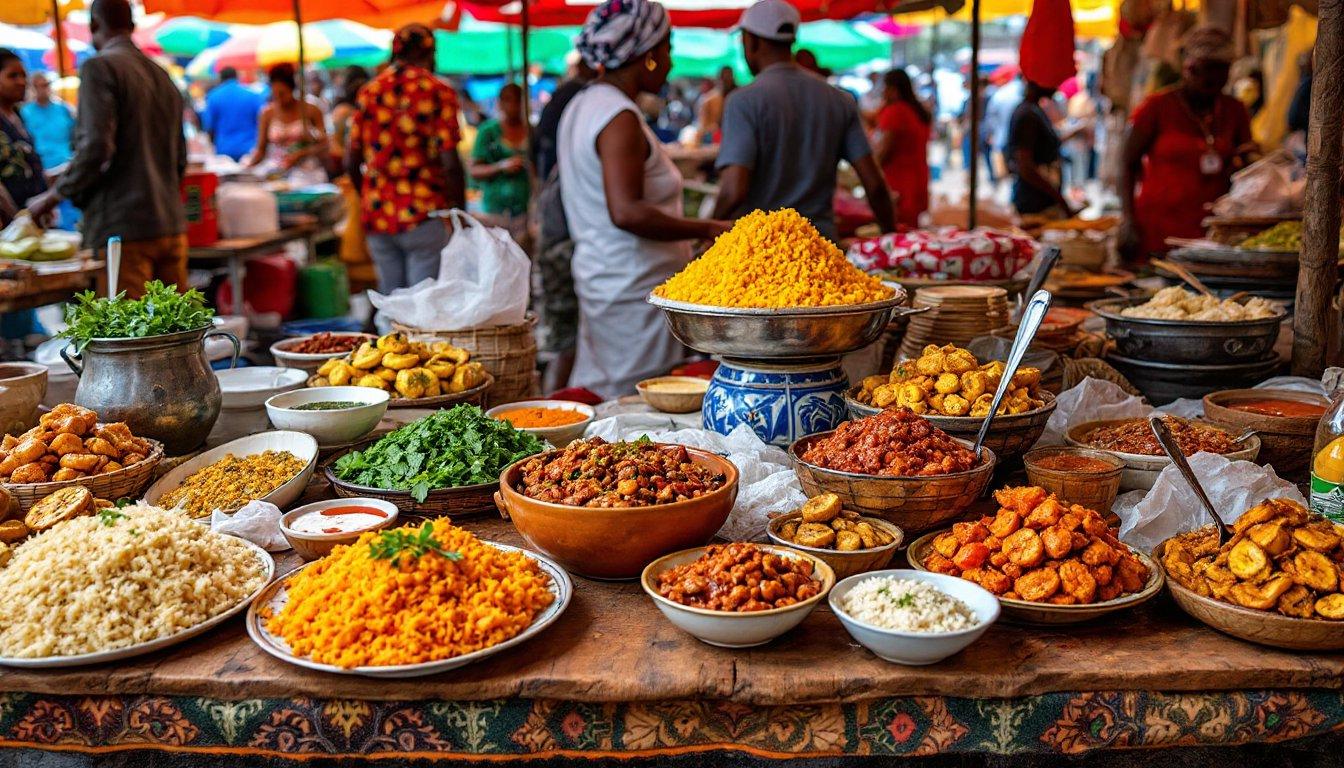
West African cuisine is built around bold flavors, comforting textures, and ingredients that have been part of everyday cooking for generations. Across countries including Nigeria, Ghana, Senegal, Sierra Leone, Liberia, and The Gambia, meals often bring together grains, root vegetables, beans, meat, fish, leafy greens, peppers, and fragrant spices.
What makes these foods particularly appealing for home cooks is that many traditional dishes rely on straightforward ingredients and practical cooking methods. You do not need a professional kitchen to recreate them. With a little preparation and an openness to unfamiliar flavors, a home meal can become an introduction to one of Africa's richest culinary traditions.
Here are several traditional West African foods worth adding to your cooking list.
Fufu, a Classic Partner for Rich Soups and Stews
Fufu is one of the best-known staple foods in West African cooking. It is enjoyed in different forms across the region, with recipes and preparation methods varying from one country and community to another. Depending on the tradition, it may be prepared using cassava, plantains, yams, or other starchy ingredients.
The finished food has a soft, smooth, and slightly elastic texture. Rather than being eaten on its own, fufu is commonly served alongside flavorful soups and stews. A small portion can be shaped with the fingers and used to scoop up the accompanying dish, making it an important part of the overall eating experience.
For anyone unfamiliar with preparing it at home, this guide on Nigerian Food Suppliers can help explain the basics of making fufu and give you a useful starting point.
The appeal of fufu is not only its texture. It provides a mild foundation that balances intensely seasoned soups. In Nigerian cooking, it can be paired with dishes including egusi soup, okra soup, vegetable soup, or other regional preparations.
When preparing fufu at home, patience is important. The mixture needs to be stirred thoroughly to achieve the smooth consistency traditionally associated with the dish. The exact cooking process depends on the type of flour or starch being used, so following the directions for the particular ingredient is worthwhile.
Jollof Rice, the West African Favorite
Jollof rice is one of the most recognizable dishes associated with West African cuisine. It is made by cooking rice in a richly seasoned tomato and pepper base, often with onions, stock, and a carefully balanced combination of spices.
Although recipes differ considerably across countries and households, the dish generally has a deep reddish color and a savory, slightly spicy flavor. Nigerian and Ghanaian versions are particularly well known, and friendly debates about which style is best have become part of the dish's cultural popularity.
Jollof rice is also remarkably adaptable for home cooking. Chicken, beef, fish, vegetables, or other additions can be served with it, depending on personal preference. Some cooks also enjoy it with fried plantains, adding sweetness and texture to the meal.
One of the keys to good jollof rice is allowing the tomato and pepper mixture to cook properly before adding the rice. This helps develop a deeper flavor and reduces the raw taste that can come from undercooked tomato paste or fresh tomatoes.
Egusi Soup for a Hearty Meal
Egusi soup is a rich and satisfying Nigerian dish made primarily with ground melon seeds. The seeds give the soup its characteristic nutty flavor and thick texture.
Recipes vary from household to household. Some versions include leafy vegetables, while others contain assorted meats, fish, stock, or seafood. The combination can create a substantial meal with layers of savory flavor.
Egusi soup is often served with a starchy accompaniment, including fufu or another type of swallow. The contrast between the smooth, soft texture of the starch and the thick, flavorful soup makes the pairing especially satisfying.
For home cooks, ground egusi can usually be incorporated into a well-seasoned stock along with the other ingredients. Getting the seasoning balance right is important because the melon seeds themselves have a relatively mild flavor. Onions, peppers, stock, and other seasonings help create the depth expected from the finished soup.
Waakye, Rice and Beans With Character
Waakye is a popular Ghanaian dish combining rice and beans. Traditionally, the beans and rice are cooked together, creating a filling meal with a distinctive color and flavor.
The dish is particularly interesting because it can be served with a wide range of accompaniments. Depending on where and how it is prepared, a plate of waakye may include fried plantain, stew, boiled eggs, meat, fish, or a spicy sauce.
At home, waakye is a practical option when you want a meal that can feed several people. Rice and beans provide a substantial base, while the accompanying sauces and sides allow everyone to customize the plate.
The beans also add a pleasant earthiness to the rice. For cooks who already enjoy rice dishes, waakye is an easy way to explore a different culinary tradition without requiring a long list of unfamiliar ingredients.
Suya, Spiced Meat With a Smoky Finish
Suya is a popular West African street food with roots in Hausa culinary traditions. It generally consists of thinly sliced meat that is coated in a spicy peanut-based seasoning and grilled.
The seasoning is one of the defining features of suya. Ground peanuts are combined with spices to create a mixture that can be savory, nutty, smoky, and hot. The exact recipe differs between vendors and regions.
Beef is commonly used, although other meats can also be prepared in a similar style. At home, thin slices of meat can be marinated or coated with the spice mixture before being grilled until cooked and slightly charred around the edges.
Suya is often served with sliced onions, tomatoes, or other fresh accompaniments. The freshness of the vegetables provides a useful contrast to the intensely seasoned meat.
For a home barbecue or casual dinner, suya is an excellent choice because it can be prepared in relatively small portions and shared easily.
Akara, Crispy Bean Fritters
Akara is a popular bean-based food made from peeled black-eyed peas that are blended into a smooth batter before being seasoned and fried.
The outside becomes crisp and golden while the inside remains soft and airy. Onions and peppers are frequently incorporated into the mixture, adding extra flavor and a gentle kick.
Akara can be eaten for breakfast, as a snack, or as part of a larger meal. It is particularly useful for home cooks because the basic ingredients are inexpensive and widely available in many grocery stores.
Preparing the beans is the part that requires the most attention. Traditionally, the beans are soaked and peeled before being blended. While this takes some effort, it contributes to the texture of the finished fritters.
Akara is delicious on its own, but it can also be served with bread, pap, or other breakfast accompaniments.
Moi Moi, a Steamed Bean Pudding
Moi moi is another Nigerian favorite made from blended beans. Unlike akara, which is fried, moi moi is traditionally steamed, resulting in a soft and tender texture.
The bean mixture can be combined with peppers, onions, spices, and other ingredients. Depending on the recipe, cooks may add boiled eggs, fish, meat, or other fillings.
Steaming gives moi moi a distinctive texture that is quite different from many Western bean dishes. It can be served as a side dish or enjoyed as part of a larger meal.
For first-time cooks, getting the consistency of the blended beans right is important. The batter should be smooth enough to produce the characteristic tender texture without becoming excessively watery.
Moi moi also works well for meal preparation because it can be made in batches and reheated when needed.
Thieboudienne, Senegal's Famous Fish and Rice Dish
Thieboudienne, also written as ceebu jën, is a celebrated Senegalese dish built around fish, rice, vegetables, and a flavorful tomato-based sauce.
The dish is traditionally prepared with fish that is stuffed or seasoned before being cooked with vegetables and a rich sauce. Rice is then incorporated into the cooking process, allowing it to absorb the surrounding flavors.
Carrots, cabbage, cassava, eggplant, and other vegetables may appear depending on the recipe. The result is a complete meal containing protein, starch, vegetables, and plenty of flavor.
Thieboudienne requires more preparation than some of the simpler dishes on this list, but it can be a rewarding weekend cooking project. The slow development of the sauce is particularly important because it gives the rice much of its character.
If you enjoy seafood and one-pot meals, this Senegalese classic is an excellent dish to explore.
Fried Plantains, a Simple Side With Big Flavor
Fried plantains may be one of the easiest West African foods to recreate at home. Ripe plantains are sliced and fried until their edges become golden and caramelized.
Their natural sweetness makes them a useful counterpoint to spicy and savory foods. They are frequently served alongside rice dishes, beans, grilled meats, and stews.
The ripeness of the plantain determines the final flavor. Very ripe plantains produce softer, sweeter pieces, while less ripe ones have a firmer texture and milder sweetness.
For a simple introduction to West African cooking, fried plantains are a good place to start. They require only a few ingredients and can transform an ordinary meal into something much more interesting.
Pepper Soup for Something Warm and Spicy
Pepper soup is another popular West African dish, particularly associated with Nigerian cuisine. It is a light but intensely flavored broth prepared with meat, fish, or other protein and a distinctive blend of peppers and spices.
Unlike thick stews, pepper soup has a thinner consistency, allowing the spices and broth to remain at the center of the dish. Different recipes use different combinations of traditional seasonings, resulting in variations in aroma and heat.
Fish pepper soup is particularly popular and can make a satisfying meal when served with bread, rice, or another accompaniment. Meat-based versions can be equally hearty.
For home cooks, pepper soup is a useful reminder that a dish does not need a heavy sauce to deliver strong flavor. A well-seasoned broth can be just as memorable.
Bringing West African Cooking Into Your Kitchen
Exploring traditional West African food at home does not mean attempting the most complicated recipe first. Starting with a familiar format can make the experience easier. Rice dishes, fried plantains, bean fritters, and grilled meats are approachable choices for beginners.
Once you become comfortable with the ingredients, you can move toward dishes that require more preparation, including fufu with soup, egusi soup, moi moi, or thieboudienne.
It is also worth remembering that there is no single definition of West African cuisine. Recipes change between countries, regions, families, and generations. Two cooks can prepare the same dish using different ingredients and techniques while both remaining faithful to their culinary traditions.
That variety is part of what makes the cuisine so enjoyable to explore. Rather than treating these dishes as fixed formulas, home cooks can appreciate the traditions behind them while learning how different ingredients and cooking methods shape the final result.
A Flavorful Way to Explore Something New
Traditional West African foods offer plenty of opportunities to expand a home cooking routine. From the comforting combination of fufu and soup to the smoky spice of suya, the richness of jollof rice, and the sweetness of fried plantains, each dish brings its own character to the table.
The best approach is to begin with one or two recipes, learn the ingredients and techniques, and gradually explore dishes from different parts of the region. With a little practice, ingredients that once seemed unfamiliar can become regular staples in the kitchen.
Most importantly, West African cooking is about more than individual recipes. It reflects hospitality, family traditions, local ingredients, and generations of culinary knowledge. Bringing these foods into your home is a simple way to experience that richness one delicious meal at a time.