
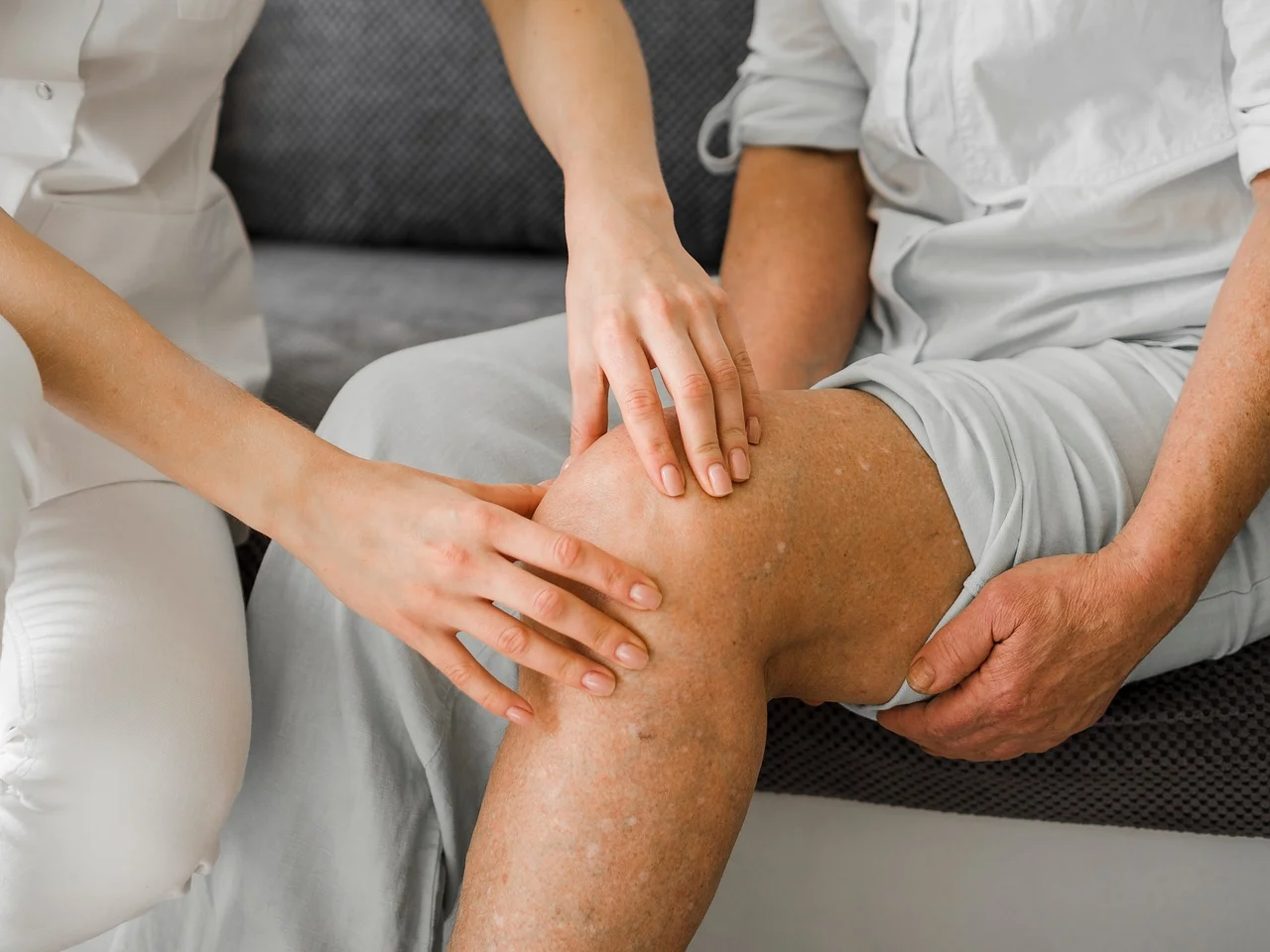
Comfort feels great in the showroom.
Support is what your knees, hips and spine will thank you for ten years from now. Support and comfort are two words that get thrown around like they mean the same thing… but they don’t even come close. A chair can feel like sitting on a cloud and still be slowly murdering your joints with every attempt to stand.
Here’s the problem:
The majority of chairs are selected after sitting in them for thirty seconds. No one tests their comfort level on the hundredth rise.
And that is the moment that actually matters.
What’s coming up:
- Why Standing Up Is The Riskiest Part Of Sitting Down
- What Proper Support Actually Looks Like
- Choosing Sit To Stand Support Chairs Without The Regret
Comfort vs Support: What’s The Real Difference?
Comfort is a feeling. Support is a structure.
Comfort is cushy foam, a deep seat and that wonderful sink-into-your-chair feeling. Support is the structure underneath doing the tough job — cradling the pelvis so it doesn’t tip forward, maintaining the spine in a stacked position and aligning the knees and ankles so the legs can properly press.
One is temporary. The other is mechanical.
And that’s why sit to stand support chairs and sturdy orthopedic chairs are always mentioned in the same breath. They’re both rooted in one concept: chairs should cradle the body in an empowered position, not engulf it. A sit to stand support chair’s lift and forward tilt reclaims movement for the user. Hips remain stacked over knees. Feet are flat. And joints aren’t shouldering the entire burden alone.
A soft armchair has the opposite effect. It collapses your hips below your knees, tilts your pelvis backwards and makes your knees, lower back and shoulders strain to pull themselves out of a hole.
Pretty different, right?
Why Standing Up Is The Riskiest Part Of Sitting Down
Standing up from a chair is the most challenging movement most people perform daily. It dumps a lot of weight into the knees, strains the hips and requires the lower back to stabilise at the same time.
Now imagine that times every cup of tea, every trip to the door and every visit to the bathroom.
Approximately 10 million UK residents suffer from arthritis. That’s 15% of the population. For arthritis sufferers joints, an improperly designed seat isn’t minor inconvenience. It’s torture test repeated over and over.
The Fall Risk Nobody Talks About
Here’s where it gets serious…
Around one in three over 65s experiences one or more falls each year. This increases to one in two falls in people over the age of 80. A significant proportion of falls occur during transitions such as standing or sitting down, or turning around.
If you have to lurch forward and hopefully shove yourself out of a chair…you have chairs that are making those transitions poorly. Take the wobble out with a supported rise.
The Slow Damage Of Sitting Too Long
There’s a second problem hiding underneath the first.
If standing up becomes painful, you just stop doing it. That’s just the way people are wired. Which older adults are already sedentary for an average of approximately 9.4 hours per day. Leaving them with very little time awake.
Studies have found sitting more than 10 hours per day to also be associated with a significantly increased risk of dementia, beyond the established risks to circulation, muscle mass and joint stiffness.
So the chain looks like this:
- Painful standing means fewer stands
- Fewer stands means weaker legs
- Weaker legs make standing even harder
That loop is the real enemy. Not the odd sore knee.
What Proper Support Actually Looks Like
Support isn’t a marketing word. It shows up in measurements.
A supportive chair gets these things right:
- Seat depth: shallow enough to leave a small gap behind the knees
- Firmness: enough resistance that the body doesn’t sink and settle
- Armrests: positioned so the elbows bend comfortably and can push down
- Back and lumbar shape: curved to support lower spine’s natural shape
Seat height carries more responsibility than any other dimension. Too low and your knees bend too far and exponentially increase the force it takes to stand up. Too high and your feet don’t touch the ground which impedes blood flow and destroys stability.
Armrests are actually very important too. You want strong arms with elbows pushed forward. This allows your upper body to help support yourself instead of all your weight being on your knees.
Then there’s the actual mechanism. Sit to stand support chairs feature a powered riser that slowly tilts the seat forward and raises, allowing gravity to help move you rather than forcing it. It assists your legs, rather than replacing them entirely.
That distinction is the whole point.
Choosing Sit To Stand Support Chairs Without The Regret
Most bad chair purchases come from the same handful of mistakes.
Mistake #1 – Evaluating based on softness. The 30 second sit test lets plush foam win and rates out firm support. Sit for twenty minutes and then stand back up. That is the true test.
Mistake #2 – Skipping body measurements. Chairs aren’t universal. Torso length, hip width and leg height all dictate different chair needs. A chair that suits someone who is 5’2″ won’t work at all for a person who is 6’1″.
Mistake #3 – Buying for today only. Joint health will seldom improve by itself. The chair purchased to help with mobility today will be inadequate in 2 years. Chairs that sit to stand with speed control, multiple positions and have a high weight rating will likely outlast your need.
Mistake #4 – Neglecting the room. Riser chairs require room behind them and a firm flat floor. Thick rugs and tight corners create more issues than you might think.
Invest the effort to nail them down and the chair will become part of everyday life instead of an expensive chair that nobody likes.
Putting It All Together
Comfort is what a chair feels like. Support is what a chair does.
Joints don’t care about padding. They care about angles, load and repetition of something they were never designed to do multiple times a day. Nail the geometry and standing upright is mundane. Get it messed up and every elevation stolen from you chips away at knees, hips and self-assurance.
The quick version:
- Seat height and depth do most of the work
- Armrests should share the load, not just look nice
- Sit to stand support chairs guide movement instead of removing it
- More stands per day means stronger legs and fewer falls
A chair is sat on thousands of times each year. Thousands of opportunities to support joints… or thousands of ways to stress them out.
Choose accordingly.