
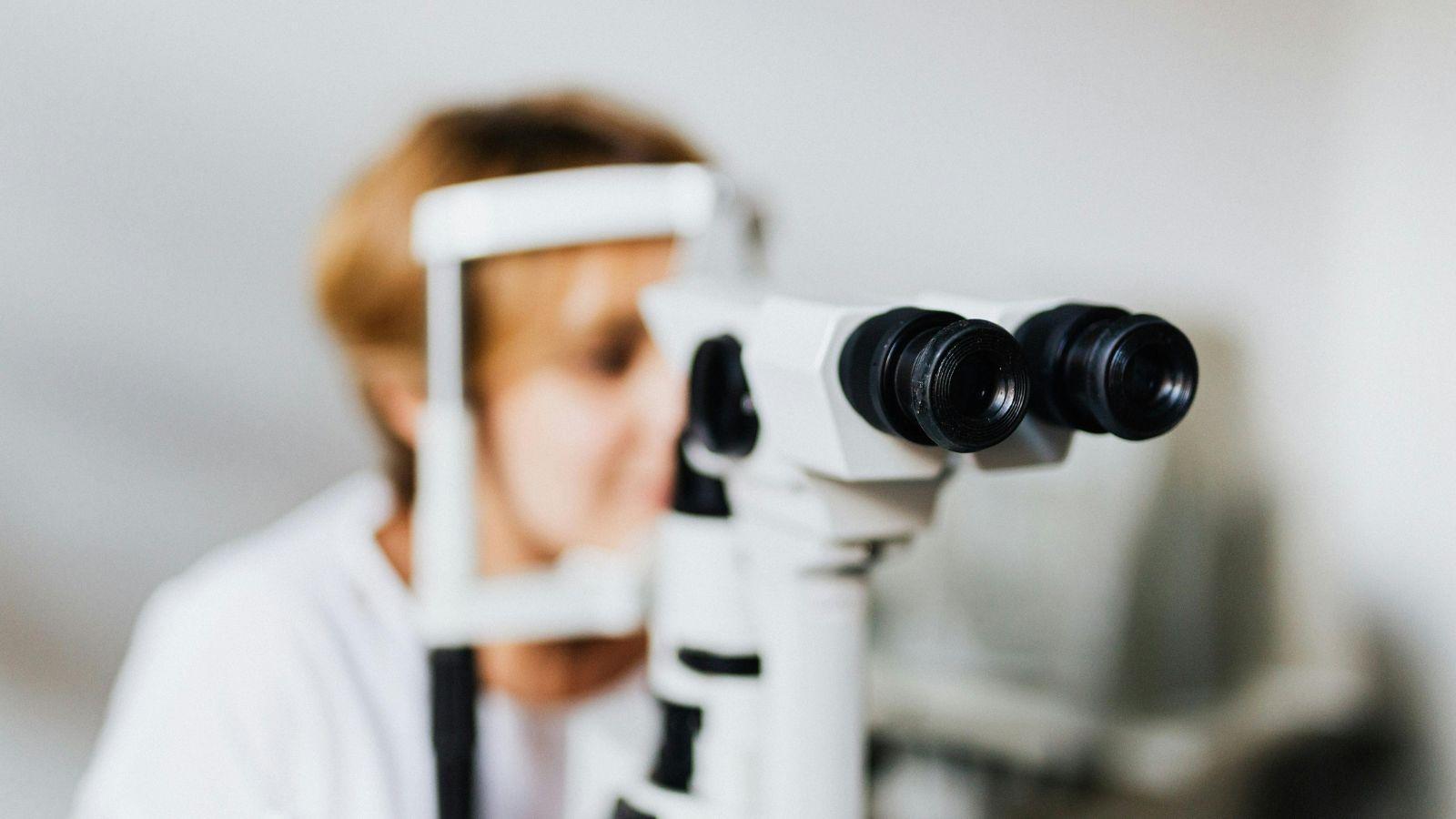
Jonathan M. Frantz, MD, FACS, from Frantz EyeCare, explains that aging eye care is not only about whether your glasses still work. It means noticing changes early, checking the health of the whole eye, and knowing when symptoms deserve a closer look.
That matters if someone has typed: ophthalmologist Naples into a search bar because night driving feels harder, reading feels more tiring, or vision just does not seem as reliable as it used to.
Aging changes a lot of routines. Food choices. Sleep. Exercise. Doctor visits. Skin checks. Dental cleanings.
Eye care belongs on that list, too.
Not because every vision change is serious. Many are not. But as people get older, their eyes become more vulnerable to conditions that may start quietly and build over time. The helpful habit is not to panic. It is attention.
Why vision checks should be part of your health routine
Most people understand why blood pressure checks matter. You can feel fine and still have a number that needs watching. Eye health can work the same way.
The National Eye Institute notes that as people get older, they are at greater risk for common eye diseases and conditions, including age-related macular degeneration, cataracts, and glaucoma [1]. The tricky part is that some of these problems may not cause obvious symptoms at first.
That is why a vision check after midlife should not be treated like a quick errand for a stronger prescription. A medical eye exam can look at more than sharpness. It can check how the front and back of the eye are doing, whether pressure inside the eye is in a concerning range, and whether the retina or optic nerve shows signs that need monitoring.
Clear vision is great.
But clear vision does not always prove the eye is healthy.
Someone may still read a menu, use a phone, or work on a laptop while early eye changes are developing. That does not mean everyone needs to worry. It means regular exams can give context before symptoms begin affecting daily life.
This is especially important after 50, when small changes can be easy to explain away. More light for reading? Normal. A little glare from headlights? Maybe normal. Dryness after a long day on screens? Common.
The question is whether those changes are stable, temporary, and mild, or whether they are slowly becoming part of a bigger pattern.
The symptoms people often brush off
Aging eyes can be sneaky because the first signs are often easy to blame on ordinary life.
- You might blame glare on newer headlights.
- You might blame blurry vision on a long workday.
- You might blame tired eyes on too much screen time.
- You might blame trouble reading labels on tiny packaging print.
Sometimes those guesses are right. But if the change keeps happening, gets worse, or starts changing what you avoid, it is worth paying attention.
Cataracts are one example. They are cloudy areas in the lens of the eye. The National Eye Institute says cataracts are common with aging and may cause symptoms such as blurry vision, faded colors, poor night vision, glare, halos around lights, double vision, or frequent prescription changes. That can show up in everyday ways: avoiding evening drives, needing brighter lamps, or feeling like glasses never quite solve the problem.
Glaucoma is different. It affects the optic nerve and often has no early symptoms. Later, it can cause loss of side vision, blind spots, and blindness. That is why waiting until you “notice something” is not always a reliable plan.
Floaters and flashes are another category that people sometimes minimize. A few long-standing floaters can be harmless, but a sudden increase in floaters or flashes may be related to a retinal tear or detachment, which needs prompt attention.
Eye pain, sudden vision loss, sudden changes in vision, double vision, or new blind spots should not be treated like normal aging. The American Academy of Ophthalmology notes that sudden vision changes or loss and eye pain can be signs of serious problems that may require emergency attention.
The practical rule is simple: do not self-diagnose a change that is new, sudden, worsening, or interfering with daily life.
How regular exams can catch problems earlier
One reason regular eye exams matter is that they create a baseline.
A baseline is helpful because aging eye care is often about comparison. Is the cataract changing? Is eye pressure stable? Does the optic nerve look the same as last year? Is the retina showing signs of diabetes-related damage? Has dry eye worsened? Has the prescription changed in a way that suggests another issue?
A one-time snapshot can be useful. A pattern over time is better.
During a medical eye exam, the doctor may check vision, eye pressure, pupil response, side vision, the front of the eye, and the back of the eye. A dilated exam allows a better view of the retina and optic nerve. The National Eye Institute says a dilated eye exam can help detect eye diseases early, when they may be easier to treat.
That does not mean every exam is complicated. Some visits are straightforward. Others require extra imaging, testing, or follow-up. The right exam depends on the person’s age, symptoms, medical history, family history, and past eye findings.
Health conditions matter too.
Diabetes is a major one. The CDC says high blood sugar can damage blood vessels in the eyes over time and recommends a dilated eye exam at least once a year for people with diabetes so an eye doctor can spot problems early. Blood pressure and cholesterol also matter because blood vessel health affects eye health.
This is where eye care becomes part of whole-body care. The eyes are not separate from the rest of you. They are connected to circulation, inflammation, blood sugar, medication use, sleep, screen habits, sun exposure, and age.
That is why an eye exam can be more useful than people expect. It can separate a simple prescription change from something that needs treatment, monitoring, or a different specialist’s input.
Simple ways to stay on top of aging eye changes
The best eye health habits are not complicated. They are the kinds of habits people can actually keep.
Start by noticing what has changed. Are you avoiding night driving? Holding books or labels farther away? Turning up screen brightness? Seeing halos around lights? Using more artificial tears? Getting headaches after reading? Feeling less confident on stairs or curbs?
Small details help during an exam. A vague “my vision is worse” is less useful than “headlights bother me more at night,” or “straight lines look wavy,” or “I suddenly saw flashes yesterday.”
Keep a simple list of symptoms before the appointment. Include when they started, whether they are in one eye or both, and whether they come and go. Bring your medication list too. Eye symptoms sometimes overlap with medication side effects, autoimmune conditions, diabetes, blood pressure changes, or previous surgeries.
Do not skip exams just because glasses seem good enough. If you have diabetes, a family history of glaucoma or macular degeneration, previous eye surgery, or new symptoms, your eyes may need closer follow-up.
Protect your eyes in daily life, too. Wear sunglasses outdoors. Manage blood sugar and blood pressure if those are part of your health picture. Take screen breaks if dryness or fatigue builds during the day. Use good lighting for reading and cooking. These are simple habits, but they make eye care feel less like a crisis response and more like normal maintenance.
For readers in Southwest Florida, Frantz EyeCare provides comprehensive medical and surgical eye care across multiple locations, including services related to cataracts, glaucoma, retina care, cornea conditions, dry eye, refractive vision correction, and routine exams. That range can be useful when an aging vision change does not point to one simple cause.
Aging well does not mean pretending nothing changes. It means knowing which changes are expected, which ones need watching, and which ones should be checked sooner.
Your eyes help you cook, drive, read, work, move safely, recognize people, and enjoy the small details of the day.
That makes eye care more than a prescription.
It makes it part of staying independent, comfortable, and connected to the life you want to keep living.