

When a child has developmental delays or a diagnosed condition such as autism spectrum disorder, families often explore multiple therapy options to support growth. Two commonly recommended services are Applied Behavior Analysis (ABA) therapy and physical therapy. While each has its own focus, combining these approaches can provide comprehensive support that addresses both behavioral and motor development.
ABA therapy focuses on improving socially significant behaviors. This can include communication, attention, daily living skills, and reducing challenging behaviors. ABA therapists use structured, evidence-based strategies to reinforce positive behaviors and help children build independence.
Physical therapy, on the other hand, centers on movement, strength, balance, coordination, and gross motor development. Children who struggle with muscle tone, motor planning, posture, or mobility benefit from targeted exercises and play-based movement activities. Families seeking physical therapy in Carmel often do so because their child is delayed in milestones such as sitting, crawling, walking, or participating in age-appropriate play.
When ABA and physical therapy are used together, they can complement one another in powerful ways. For example, a child working on following directions in ABA therapy can apply those listening skills during movement-based activities in physical therapy. Similarly, improved strength and coordination gained in physical therapy can increase a child’s ability to participate in structured ABA sessions.
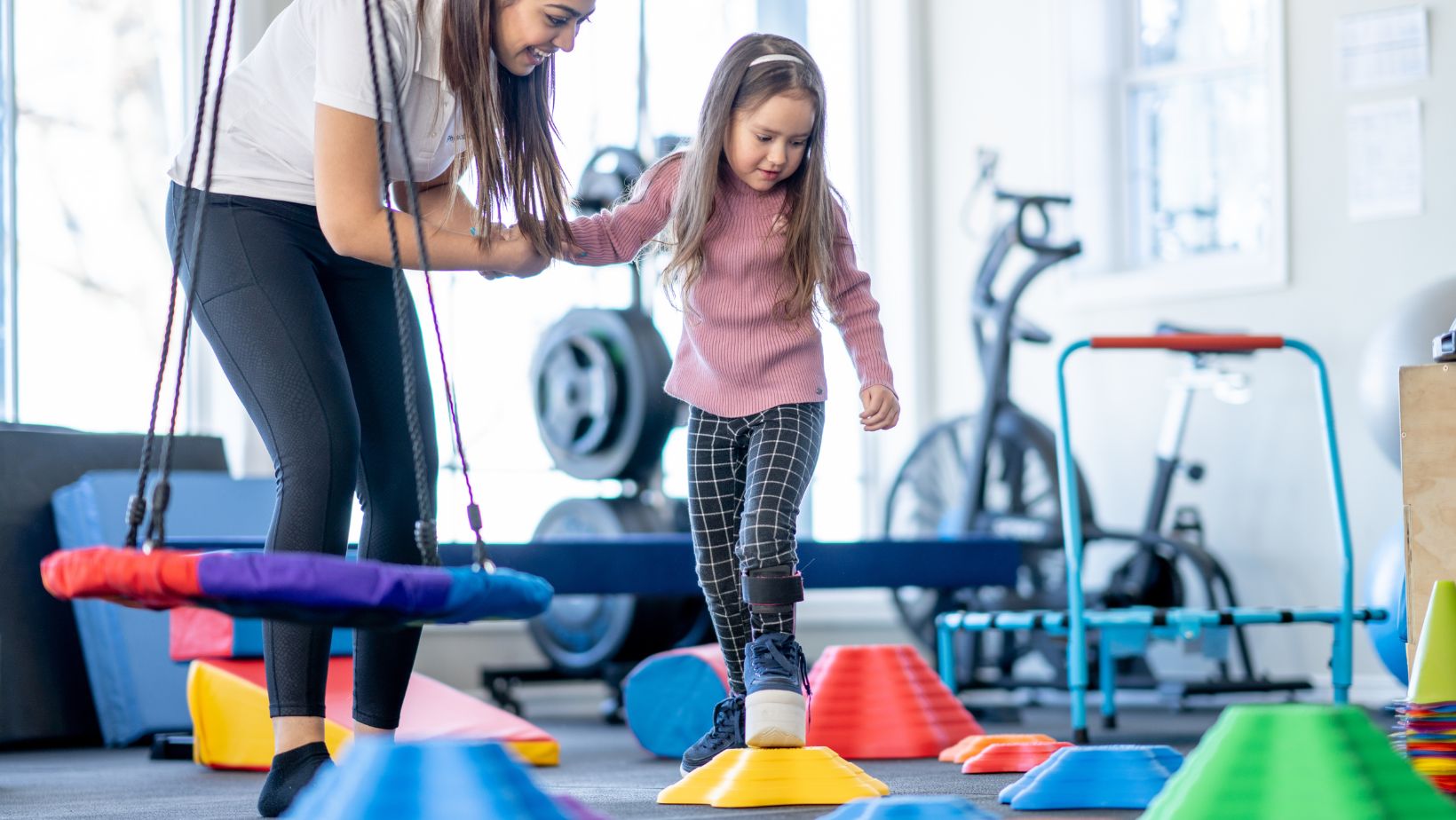
Collaboration between providers is key. When therapists communicate and align goals, they can create consistent strategies that support the child across environments. For instance, if a child struggles with transitions, both the ABA therapist and physical therapist can use similar cues or visual supports to promote smoother participation.
This combined approach can also support sensory processing needs. Many children benefit from movement breaks or structured physical activity to help regulate attention and behavior. Incorporating physical strategies into the overall therapy plan can improve focus and engagement.
Families pursuing physical therapy in Carmel often appreciate a team-based approach that looks at the whole child rather than isolated challenges. By addressing both behavior and motor skills simultaneously, children can build confidence, independence, and the ability to fully engage in daily activities.
Ultimately, ABA therapy and physical therapy serve different but complementary purposes. When thoughtfully integrated, they provide well-rounded support that promotes meaningful progress in both physical abilities and functional life skills.