
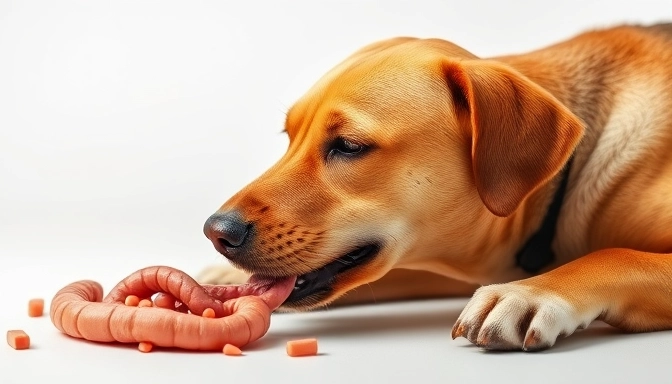
Your dog’s gut affects far more than their bathroom habits. Digestion is tied to immune function, energy, coat condition, skin health, and even mood, which means the signs of an unbalanced gut often show up in places dog parents do not immediately connect to digestion. Paying attention to what is happening in the digestive tract is one of the most useful things a dog parent can do for their pup’s overall health.
The Gut Does More Than You Think
Researchers studying the canine microbiome have found that the bacterial communities living in a dog’s intestines play a role in inflammation, nutrient absorption, and overall digestive and immune health. When digestion is functioning well, dogs often show more consistent energy, appetite, and stool quality. When it is not, the signs can show up everywhere: itchy skin, soft stool, less interest in food, and lower energy. A dog who seems “off” without an obvious reason is often a dog whose digestion deserves a closer look.
Reading the Signals at Home
Most dog parents notice the symptoms first and the cause later. A few extra trips to the yard, a strong-smelling room, a stool that doesn’t quite hold its shape. These are not gross afterthoughts. They are signals worth listening to. That is part of why supplements built specifically for canine digestion have moved from niche to mainstream. Daily formulas like Bernie’s Perfect Poop combine fiber, prebiotics, probiotics, and digestive enzymes, four categories that work together to support gut balance, regular elimination, and nutrient absorption. Daily support may help maintain more consistent digestion over time, rather than waiting until something feels wrong.
What Each Ingredient Actually Does
Each of the four pieces does something specific. Fiber, often from sources like Miscanthus grass or psyllium, helps stool form properly and keeps the digestive tract moving at a healthy pace. Prebiotics feed the beneficial bacteria already living in the gut. Probiotics introduce more of those bacteria into the system. Digestive enzymes help break food down so the body can use what is in the bowl. None of these is a miracle on its own. Together, they help support routine, unremarkable digestion, which is the goal. Boring is good when it comes to a dog’s stomach.
Lifestyle Pieces That Quietly Add Up
Supplements help, but daily habits matter just as much. Consistent meal times help the gut stay on a predictable rhythm. Slow feeders can help dogs who eat too fast and end up with gas. Fresh water, regular movement, and a calm feeding environment all play their part. The American Kennel Club’s overview of probiotics for dogs is a useful read for anyone trying to understand why one week looks great and the next does not. It explains what beneficial bacteria do, when they get disrupted, and how to think about everyday support.
When It Is Time to Call the Vet
Home care has limits, and there is a clear line where it should hand off to a veterinarian. Loose stool lasting more than two days, repeated vomiting, blood in stool, sudden weight loss, or refusal to eat are not “wait and see” situations. Peer-reviewed work on the canine microbiome, including this open-access review hosted by the National Institutes of Health, makes a clear case for taking gut symptoms seriously rather than waiting them out. First-time dog parents in particular benefit from learning what is normal for their specific pup, so anything abnormal becomes easier to spot early.
A Quiet Habit of Paying Attention
Dogs cannot tell you their stomach hurts. They cannot tell you a new treat is sitting wrong or that a change in food brand has thrown off their week. They tell you in stool, in appetite, in how they sit and move. Reading those signals, and supporting digestive health, is one of the small, steady acts of care that adds up to a longer, more comfortable life beside the people they love.