
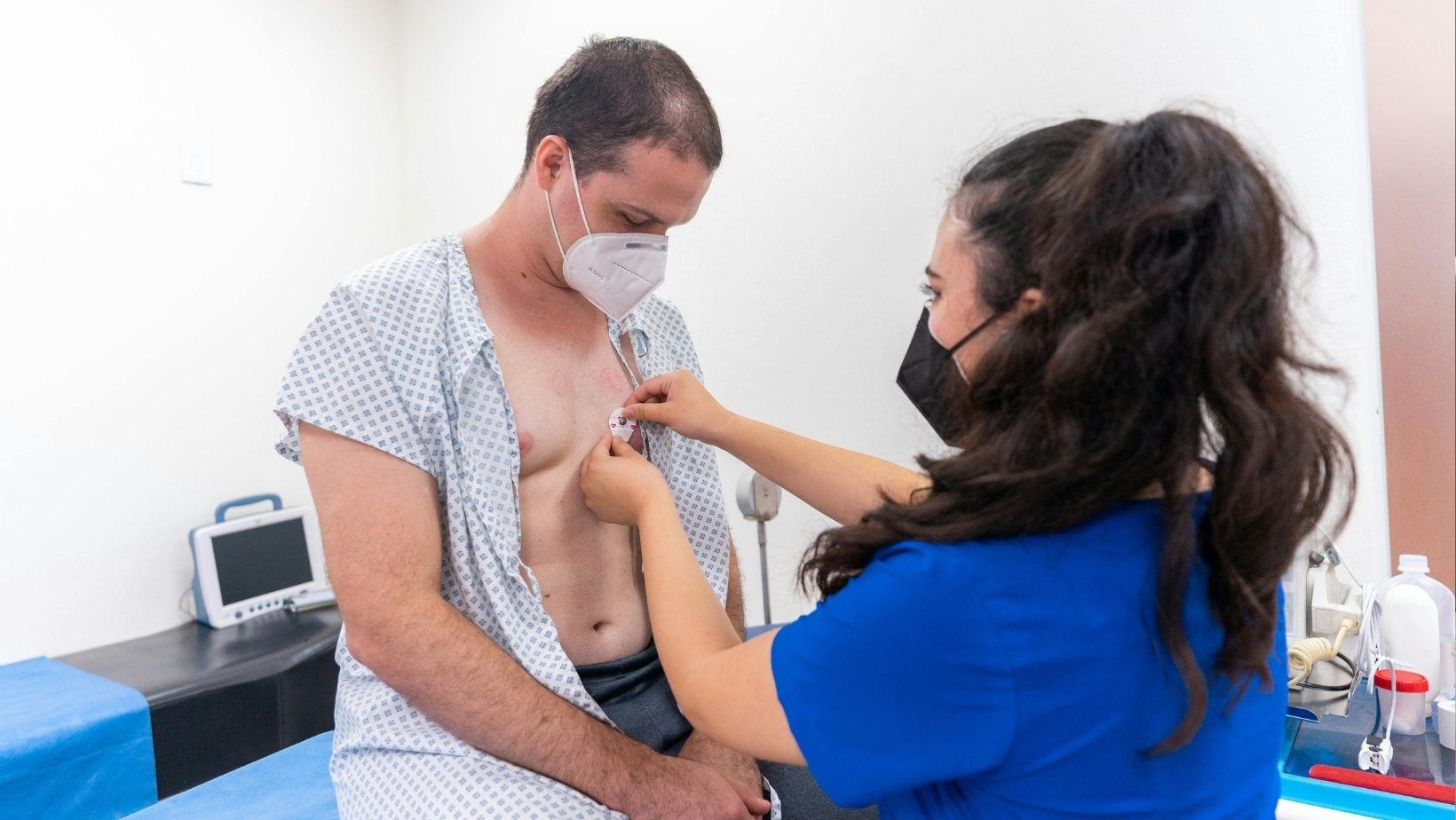
Most people don’t give their digestive system much thought until something goes wrong. A stretch of persistent abdominal pain, blood in the stool, or unexplained weight loss tends to be the wake-up call that finally sends someone to a doctor. However, by the time those symptoms appear, the underlying issue may have already been developing for years. That’s exactly why gastrointestinal exams deserve far more attention than they typically get.
Your gastrointestinal tract is one of the most complex and hardworking systems in your body. It runs from your mouth all the way down through your stomach, small intestines, and large intestines. When any part of it isn’t working as it should, the consequences can ripple outward in ways that aren’t always easy to connect back to the gut.
What Gastrointestinal Exams Actually Cover
A lot of people assume that a GI exam is just a colonoscopy, but that’s not just that. Depending on your symptoms and history, your doctor might recommend a range of diagnostic tests, each targeting different parts of the digestive system.
Upper endoscopy, for instance, gives doctors a clear look at your food pipe, stomach, and the upper section of your small intestine. It’s commonly used to investigate gastrointestinal symptoms like persistent heartburn, gastroesophageal reflux, or suspected stomach ulcers. For a broader view, imaging tests like a CT scan or magnetic resonance imaging can reveal structural issues without any invasive procedures.
Then there’s the upper GI series, which uses barium contrast material to outline the upper part of your digestive system on X-ray images. Patients drink a barium liquid and then undergo fluoroscopy imaging to watch how it moves through the body in real time. If there’s a concern about the small intestine specifically, a small bowel follow-through extends that same process further down the tract.
For more targeted concerns, a small bowel capsule endoscopy sends a tiny, pill-sized camera through the entire digestive tract, capturing thousands of images along the way. It’s especially useful for spotting issues that other tests might miss, like bleeding in hard-to-reach areas of the small intestine.
Why Catching Problems Early Changes Everything
Here’s where things get critical. Many gastrointestinal disorders, including Crohn’s disease, ulcerative rectal colitis, and peptic ulcer disease, are far more manageable when caught early. The same goes for more serious conditions.
Take colorectal cancer as an example. In places like Singapore, where colorectal cancer consistently ranks among the most common cancers, early detection significantly improves outcomes. If you’re doing your research and looking into colorectal tumors Singapore clinics treat, you’ll find that screening often catches abnormal growths before they become cancerous at all. That window of opportunity is something you don’t want to miss.
A fecal occult blood test is one of the least invasive ways to check for early signs of trouble. It doesn’t require sedation, no hospital gown is involved, and it can be done at home. If the results come back positive, that’s when more targeted endoscopic procedures or a CT scan might follow.
For conditions like Helicobacter pylori, an H. pylori stool antigen test can confirm an active infection before it progresses to a duodenal ulcer or more complicated peptic ulcer disease. Treating it early is far simpler than dealing with the fallout later.

The Tests You Might Not Know You Need
Beyond the more familiar options, there’s a range of specialized tests that doctors use for specific concerns.
Esophageal manometry measures how well the muscles in your food pipe are working, which is helpful for diagnosing motility disorders. A Bravo PH study tracks acid levels in the esophagus over 48 hours to get a clearer picture of reflux patterns. For concerns about the biliary tract or pancreas, magnetic resonance cholangiopancreatography and endoscopic retrograde cholangiopancreatography provide detailed imaging that standard scans can’t match.
A colorectal transit study tracks how quickly material moves through your large intestine, which is valuable for understanding chronic constipation or suspected motility issues. If there’s a need to assess the rectum or lower colon without full sedation, a flexible sigmoidoscopy covers that ground efficiently.
Even a liver biopsy, while it sounds daunting, is a relatively straightforward medical procedure when conducted under proper imaging guidance. It provides tissue samples that help confirm conditions ranging from fatty liver disease to more serious hepatic concerns.
What Happens When You Skip the Exams
Avoiding GI exams because you feel fine is one of the most common and costly mistakes people make. Inflammatory bowel disease, for example, often progresses quietly for long stretches before flaring badly enough to demand attention. By that point, the inflammation may have already caused structural damage that’s harder to reverse.
The same is true for pyloric stenosis in younger patients, where early imaging can prevent serious complications. Laboratory studies and nuclear studies like positron emission tomography round out the picture for certain cancers and complex cases, giving physicians the data they need to act decisively.
Skipping gastrointestinal examinations because you’re not currently experiencing symptoms doesn’t mean your digestive system or gut health is problem-free. It means the problems simply haven’t made themselves obvious yet.
Conclusion
Gastrointestinal exams aren’t just for people who already feel sick. They’re a proactive investment in your long-term health. Whether it’s a straightforward barium swallow or a more detailed anorectal manometry test, each exam gives your doctor a clearer picture of what’s happening inside. Don’t wait for symptoms to become unbearable before you act. Talk to a gastroenterologist, stay current with your screenings, and give your digestive system the attention it genuinely deserves.