
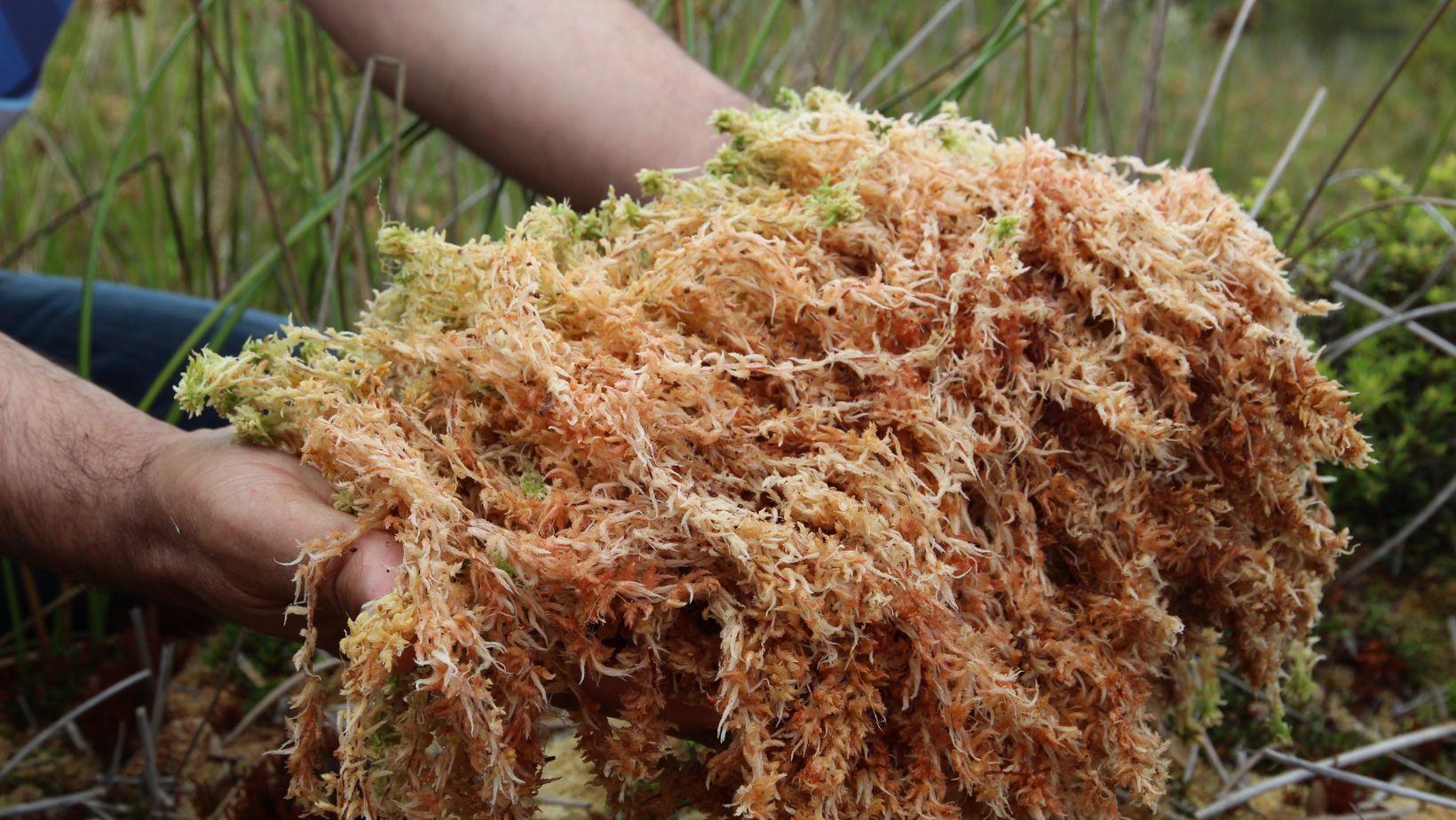
Sea moss gel has become a staple in a lot of wellness routines—and for good reason. As a red algae (often Irish moss, Chondrus crispus, or sea moss, Gracilaria), it contains a mix of minerals and soluble fiber that people use to support digestion, skin health, and overall nutrition. But beginners often run into the same avoidable problems: taking too much too soon, storing it incorrectly, or assuming “natural” automatically means “risk-free.”
If you’re new to sea moss gel, this guide will help you sidestep the most common mistakes so you can use it confidently, safely, and with realistic expectations.
Mistake #1: Treating Sea Moss Like a Miracle Cure
Sea moss gel is best viewed as a nutrient-dense addition to a balanced diet, not a substitute for one. It can complement good habits—sleep, protein intake, hydration, stress management—but it won’t “fix” them for you.
A more helpful way to think about it is: sea moss supports your baseline. If your baseline is chaotic (inconsistent meals, low fiber, poor hydration), you may not feel much difference—or you may feel temporary digestive discomfort as your routine changes.
What to do instead
Set a simple goal: consistency for 3–4 weeks. Track one or two markers (regularity, energy stability, skin dryness) rather than trying to notice everything at once.
Mistake #2: Starting With Too Much (and Blaming the Gel)
Because sea moss gel is easy to add to smoothies, oatmeal, soups, or tea, it’s tempting to go big right away. But beginners often underestimate two things:
-
sea moss contains soluble fiber that can affect digestion
-
sea moss naturally contains iodine (amount varies widely), which can be an issue in excess for some people
If you jump from zero to multiple tablespoons a day, you may notice bloating, looser stools, or stomach discomfort. That doesn’t necessarily mean sea moss “doesn’t agree with you”—it may just mean you ramped up too quickly.
What to do instead
Start with 1 teaspoon daily for a few days, then increase gradually if you tolerate it well. Many people land around 1 tablespoon per day, but your “right amount” depends on your diet, sensitivity, and whether you’re already taking supplements that overlap (especially iodine).
Mistake #3: Ignoring Quality and Sourcing
Here’s the unglamorous truth: sea moss quality varies a lot. Because it’s harvested from ocean environments, it can also accumulate contaminants depending on where and how it’s collected and processed. Beginners sometimes buy whatever looks cheapest or most visually appealing, without asking basic questions.
When you’re evaluating a product, look for transparency around sourcing and handling. Is it wildcrafted or pool-grown? Is it tested? How is it cleaned and prepared? Those details matter more than trend-driven claims.
Around this point, many people ask whether it’s easier to start with a ready-to-use gel rather than making it from raw sea moss at home. If you’re exploring that route, the key is choosing a gel that fits into a sensible routine—think of it as a practical food add-on rather than a “detox.” For example, you might use a nutrient-rich sea moss gel to support immunity as a convenient option when you want consistent texture and don’t have time to soak and blend batches yourself.
Mistake #4: Storing It Incorrectly (and Not Noticing Spoilage)
Sea moss gel is perishable. Even when refrigerated, it doesn’t last forever, and storage mistakes are one of the quickest ways to turn a well-intentioned habit into a waste of money—or worse, a stomachache.
Common storage errors
-
Leaving the jar out too long while cooking or making smoothies
-
Using a spoon that isn’t clean (introducing bacteria)
-
Assuming “it looks fine” means it is fine
What to do instead
Store it in the coldest part of your fridge and keep handling clean and quick. If you make gel at home, many people aim to use it within 1–2 weeks refrigerated (some shorter, depending on cleanliness and ingredients). Freezing in small portions can help if you don’t use it daily.
Signs it’s time to toss it: an “off” smell, visible mold, or a noticeable change in texture that doesn’t match the original product.
Mistake #5: Mixing It Into Anything Without Thinking About Texture
Let’s be honest: sea moss gel has a texture. If you add a full tablespoon to a lukewarm drink and expect it to disappear, you may end up with clumps and disappointment.
What to do instead
Use it where it performs well:
-
Blend into smoothies (best for beginners)
-
Stir into oatmeal or yogurt (start small)
-
Add to soups after cooking, off heat (helps maintain texture)
If you’re using it in hot liquids, whisk vigorously or blend it with a small amount of cool liquid first to prevent clumping.
Mistake #6: Forgetting About Iodine, Thyroid Conditions, and Medication Timing
Sea moss naturally contains iodine, but the exact amount can vary based on species and growing conditions. For most healthy adults, moderate intake is typically fine, but people with thyroid conditions (hyperthyroidism, Hashimoto’s, nodules) should be cautious and talk to a clinician who understands iodine intake.
Also, because sea moss gel contains soluble fiber, it may interfere with absorption if you take it at the exact same time as certain medications or supplements.
What to do instead
If you take thyroid medication, iron, or other essential meds, consider spacing sea moss gel away from them by a couple of hours unless your clinician advises otherwise. When in doubt, prioritize medication consistency and ask a pharmacist or physician.
Mistake #7: Expecting Immediate Results (Instead of Looking for Subtle Wins)
Some people try sea moss for “immunity,” skin, or energy and expect a dramatic change in a week. Realistically, if sea moss helps you, it often shows up as quieter improvements: more regular digestion, better hydration habits (because you’re paying attention), or a steadier routine.
What to do instead
Ask yourself better questions:
-
Am I using it consistently?
-
Did I also improve breakfast quality, fiber intake, or sleep?
-
Am I noticing small, repeatable changes rather than one-off “good days”?
Those answers will tell you more than hype ever will.
A Simple Beginner Routine That Avoids Most Mistakes
If you want a low-risk starting plan, keep it boring (boring is effective):
Take 1 teaspoon daily in a smoothie for 3–5 days → increase to 2 teaspoons → then 1 tablespoon if you tolerate it well. Keep storage strict, stay consistent, and don’t stack it with multiple new supplements at the same time. That way, you’ll actually know what’s helping and what isn’t.
Sea moss gel can be a useful tool—especially for people who struggle to get enough minerals and soluble fiber through busy, modern eating patterns. Start slow, choose quality, store it properly, and treat it like what it is: a supportive food, not a miracle.