
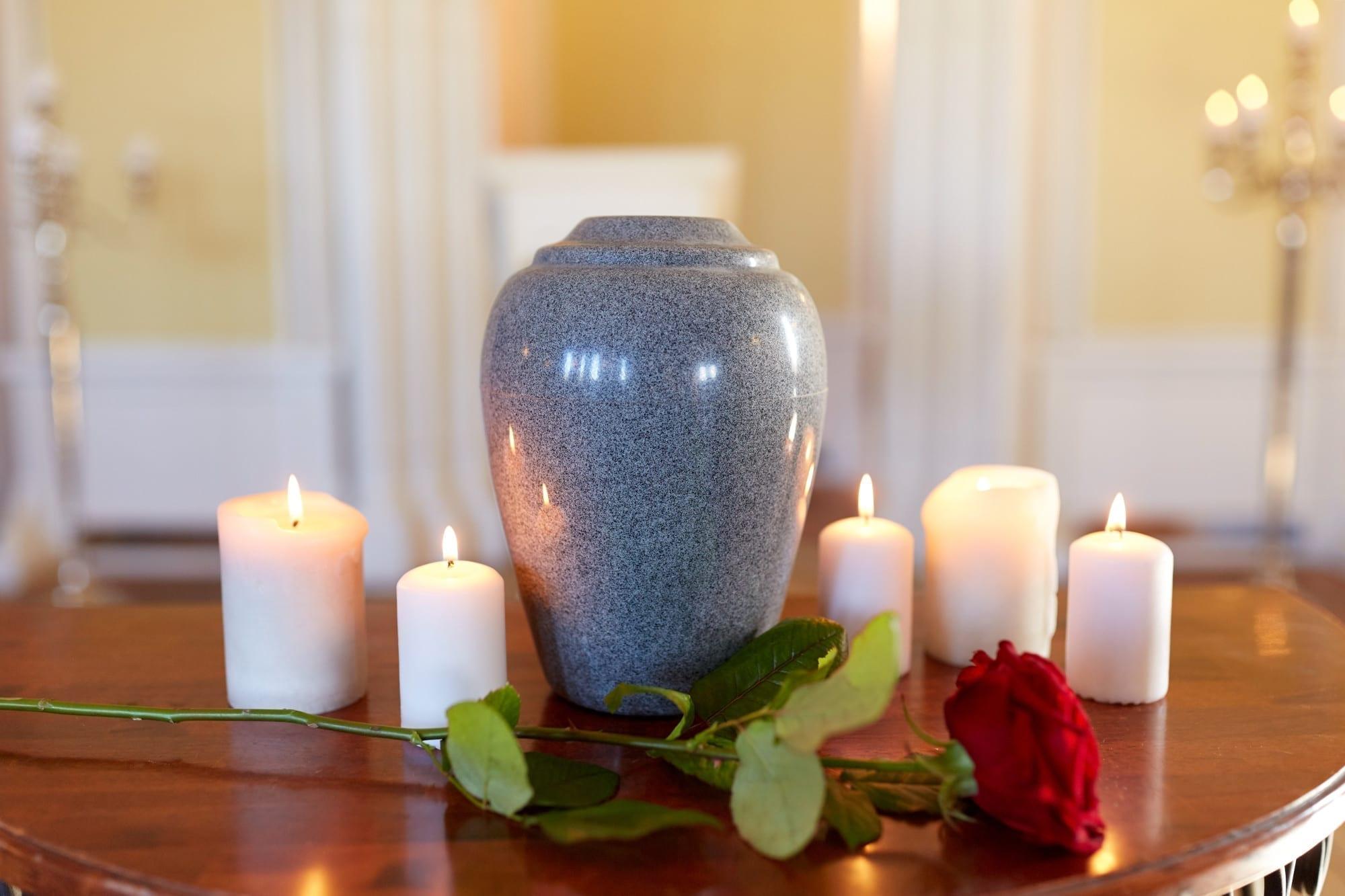
Most of us don’t think seriously about end-of-life arrangements until we’re in the middle of one — and suddenly everything needs to be decided quickly, under grief, often without much information. Cremation has become the most common choice in the United States, surpassing traditional burial for the first time about a decade ago and continuing to grow. But popularity doesn’t always mean people are choosing it knowingly. Many families pick it because it seems simpler or cheaper, without really weighing what they’re getting — and what they’re giving up.
Here’s an honest look at both sides, plus one option that most Florida families don’t know exists.
Why So Many People Choose Cremation
The practical appeal is real, and it starts with money. A traditional burial — casket, vault, cemetery plot, embalming, service — can run anywhere from $8,000 to $12,000 or more depending on where you live. Cremation, especially direct cremation (which skips the formal service and goes straight to the process), can cost a fraction of that, sometimes as little as $700 to $2,500. For families who weren’t expecting to absorb a large expense, that difference matters enormously.
Then there’s the flexibility. With cremation, you don’t have to make permanent decisions immediately. The ashes can be kept at home, scattered somewhere meaningful, divided among family members, placed in a memorial reef, or incorporated into jewelry or artwork. There’s no ticking clock of a burial plot waiting to be filled. For families who are scattered across different states or who haven’t settled on a memorial plan, that breathing room can be genuinely helpful.
Cremation also sidesteps the cemetery altogether, which matters more than people might expect. Cemetery plots in urban and suburban areas are increasingly scarce and expensive. Ongoing maintenance fees exist. And many families simply don’t have an existing family plot or a strong cultural connection to that tradition. Cremation removes that entire layer of logistics.
Finally, compared to conventional burial with its embalming chemicals, concrete vaults, and acres of maintained cemetery land, cremation does carry a lighter environmental footprint — at least in terms of land use and chemical impact. For families thinking about their ecological choices, that’s a real consideration.
What Cremation Doesn’t Solve
Here’s where it’s worth slowing down, because some of cremation’s trade-offs get glossed over in the initial decision.
Flame cremation is not a clean process. It burns at over 1,400°F using natural gas or propane for two to three hours, releasing carbon dioxide in the process. Bodies with dental amalgam fillings also release mercury vapor during cremation. For people who’ve spent their lives caring about their environmental impact, this is worth knowing upfront. It’s not a dealbreaker for everyone, but it’s not the green option it’s sometimes positioned as.
Cremation is also permanent in a way that can catch families off guard later. Once it happens, there’s no going back — no opportunity to revisit the decision if a family member has second thoughts, or if religious or cultural perspectives shift. Some families find, years later, that they wish there had been a physical place to visit and grieve.
And that’s the other thing: scattered or stored ashes don’t provide the kind of fixed memorial anchor that a grave does. A lot of people underestimate how much they’ll want that later — somewhere specific, somewhere you can go. Without it, grief can feel a little unmoored. Families sometimes disagree about where ashes should go, and those disagreements can be surprisingly painful.
Finally, even “affordable” cremation isn’t free. Direct cremation still involves transportation, documentation, and the cremation itself. For families already stretched thin, even a modest bill arriving in the worst week of their lives can create real hardship.
Something Worth Knowing If You’re in Florida
If cost is a significant factor — and for many Florida families it is — there’s an option that most people simply haven’t heard of: free cremation in Florida through whole-body donation to medical science.
Accredited nonprofit organizations operating across the state facilitate body donations that go directly to medical education and research — training surgeons, testing medical devices, advancing treatments that will affect patients for generations. In exchange, the organization covers every associated cost: transportation of the deceased, all required documentation, the cremation itself, and return of the ashes to the family. For families who might otherwise face a bill of $2,000 or more, this is meaningful relief.
There’s a common misconception that body donation and organ donation are the same thing — they’re not, though they can work together. Organ donation saves specific lives through transplantation. Whole-body donation extends that legacy by providing the hands-on training and research resources that no textbook or simulation can replicate. Medical students learn anatomy. Surgeons rehearse complex procedures. Device manufacturers test new implants. One donation can contribute to multiple research applications at once, and those effects ripple through every patient those professionals treat over the course of their careers.
The process is straightforward. Registration can be completed in advance as a future pledge — which is, frankly, the most considerate thing you can do for the people who will be managing arrangements when you’re gone. It removes the hardest decision from the hardest moment. Most programs have no age or BMI restrictions. Ashes are typically returned to families within four to six weeks. The key thing to look for when researching programs is accreditation through the American Association of Tissue Banks (AATB) — that’s the organization that sets and enforces ethical standards across the field.
The Bigger Point
No single end-of-life option is right for every family or every person. Cremation is a reasonable, practical choice for many people, and for others the environmental concerns, the irreversibility, or the absence of a fixed memorial will point elsewhere — toward green burial, aquamation, or whole-body donation.
What matters most, though, is that the conversation happens before it has to. Families who know their loved one’s wishes are spared one of the heaviest parts of grief: making consequential, irreversible decisions with no guidance, under enormous emotional pressure. Writing down your preference — even in a letter kept with your important papers — is one of the quietest and most caring things you can do.
Whatever you decide, decide it on purpose.