
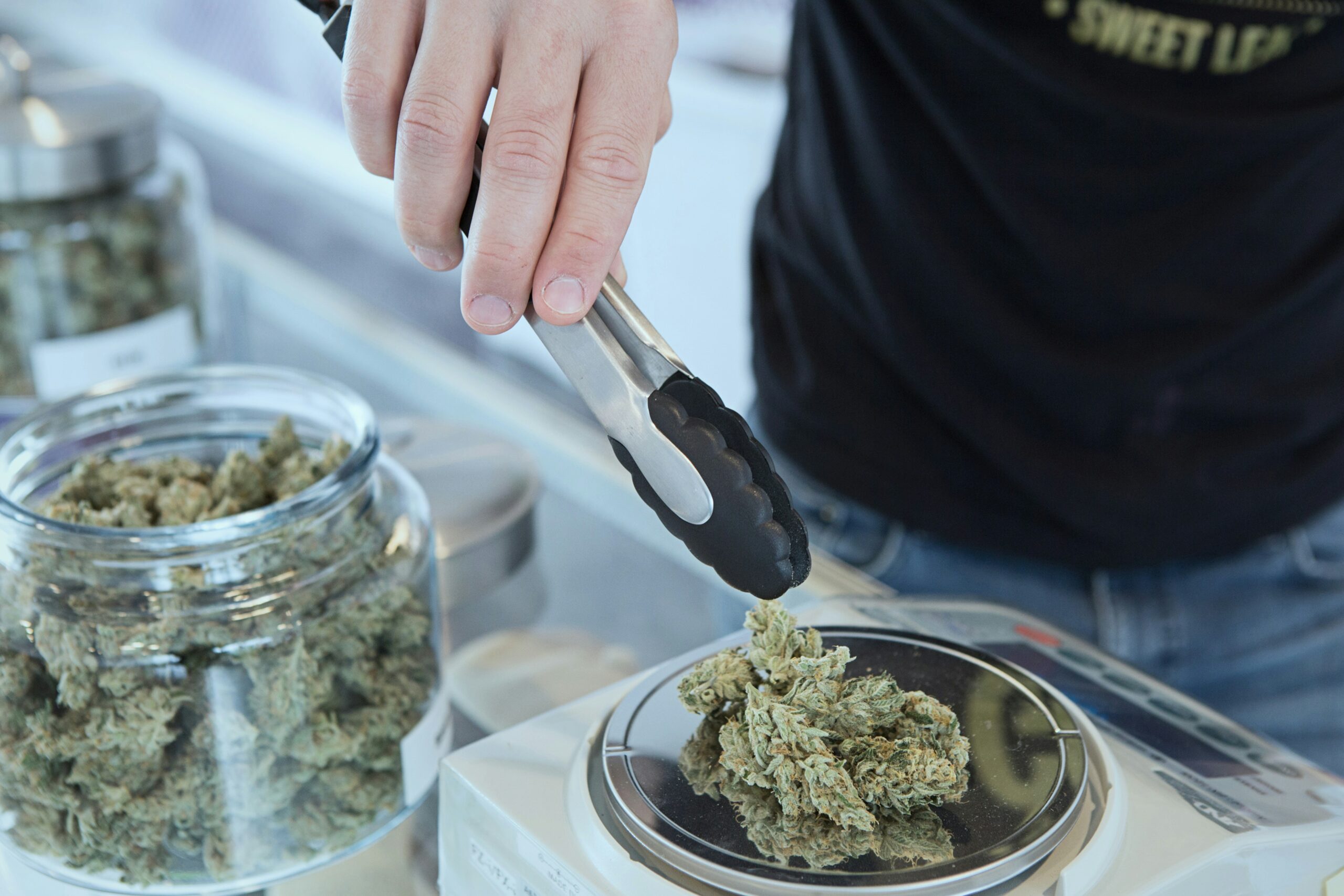
Cannabis store product labels can look technical, yet terpene information is meant to help shoppers connect aroma and flavor with the experience they want. Terpenes are aromatic compounds found across nature, and they appear in cannabis alongside cannabinoids like THC and CBD. Labels may list a total terpene percentage, a few dominant terpene names, and a brief aroma description. Understanding what those numbers and names suggest can make selection less random. It also supports batch comparisons, since terpene balance can shift after harvest, processing, and storage, even within one product line. A little label literacy turns browsing into an informed choice.
Quick guide to terpene labels
- Why terpenes appear on labels
Terpenes are volatile molecules that create scent and taste, and they can shape how a product feels by interacting with cannabinoids and other plant compounds. Labels include them because aroma is a consistent clue even when strain names vary, marketing language changes, or genetics are renamed across producers. Common terpene names such as myrcene, limonene, pinene, linalool, caryophyllene, humulene, terpinolene, and ocimene appear because laboratories can quantify them using repeatable methods. When a label lists dominant terpenes, it points to the compounds present at the highest levels, not to a fixed rule about effects. Terpenes also oxidize and evaporate, so the profile is time sensitive. That is why packaging notes and harvest or test dates matter for anyone comparing two jars or cartridges. Some labels report percentages, while others use milligrams per gram; both describe concentration, and the ranking of terpenes usually matters more than the unit choice overall.
- Reading dominant terpenes
A practical approach is to treat the top two or three terpenes as the main flavor story and the rest as supporting notes. Myrcene often reads as earthy, herbal, or musky and is often associated with a heavier overall tone. Limonene tends to signal citrus brightness, and many shoppers describe it as more energizing. Pinene commonly suggests pine and a sharper edge, while linalool is more floral and softer. Caryophyllene is peppery and stands out because it can interact with receptors beyond the olfactory system. Look for combinations rather than single names, because limonene with caryophyllene may feel different from limonene with pinene. For a quick edible example, see https://capitalamericanshaman.com/gummies-austin/ and note how flavor descriptions can pair naturally with terpene language. If a label includes simple descriptors like citrus, gas, pine, or lavender, use those as a bridge between the terpene list and your senses. Start by smelling first, then confirm the names on the label.
- Using the total terpene percent
Total terpene percentage is a summary number, not a guarantee of intensity or outcome. It is useful as a rough indicator of aromatic potential, and the listed terpene names provide the character. A flower label showing 1.5 percent total terpenes can smell stronger than one showing 2.0 percent if the higher number comes from a wider mix that has partially oxidized or if the container has been opened repeatedly. Storage matters because heat, light, and oxygen reduce volatility over time, flattening aroma and shifting notes from bright to muted. Concentrates and vapes can show higher terpene numbers, but formulation choices also matter. When labels show both cannabinoid potency and terpenes, treat them as two separate dimensions: potency speaks to strength, while terpenes speak to character and comfort. If you are comparing two batches, prioritize the batch with the newer test date and expect variations within the same brand. Ask staff how the product was stored.
- Choosing by terpene goals
Strain names are not standardized, but terpene profiles offer a more repeatable language for guiding choices. If a shopper wants a crisp, daytime-leaning vibe, labels with limonene and pinene near the top are often a sensible starting point, especially when the total terpene number is not extremely low. If the goal is a softer, evening-lean feel, linalool and myrcene may be better aligned, particularly when caryophyllene is also among the leaders. For shoppers who dislike sharp pine or solvent-like notes, scanning for lower pinene and higher floral or herbal terpenes can reduce surprises. Encourage customers to remember one or two terpene names they enjoy and use that as a shortcut across categories. Over time, this creates a personal aroma map that works better than chasing trendy strain labels. Staff can suggest smelling the jar lid when allowed, then checking the terpene list for a match. Notes build confidence on repeat.
Terpene label clarity
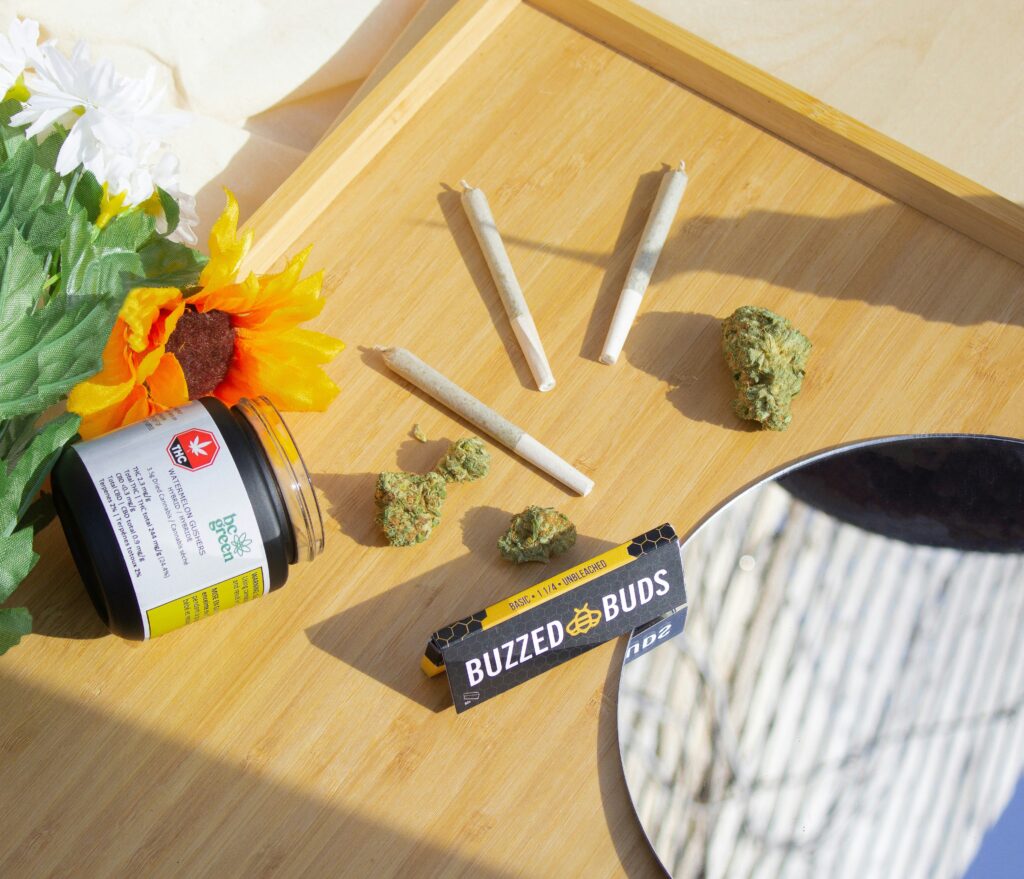
Terpene profiles translate lab data into sensory expectations that shoppers can actually use. Start with the top-listed terpenes, then treat the total terpene percentage as a quick gauge of aromatic potential. Remember that freshness, packaging, and storage conditions can dull the scent and change perceived intensity so that a newer batch may feel livelier even at similar numbers. Encourage customers to track which aromas they enjoy, as preferences often repeat across products with similar terpene profiles. Consistent label reading turns terpene names into a practical shopping tool over time.