
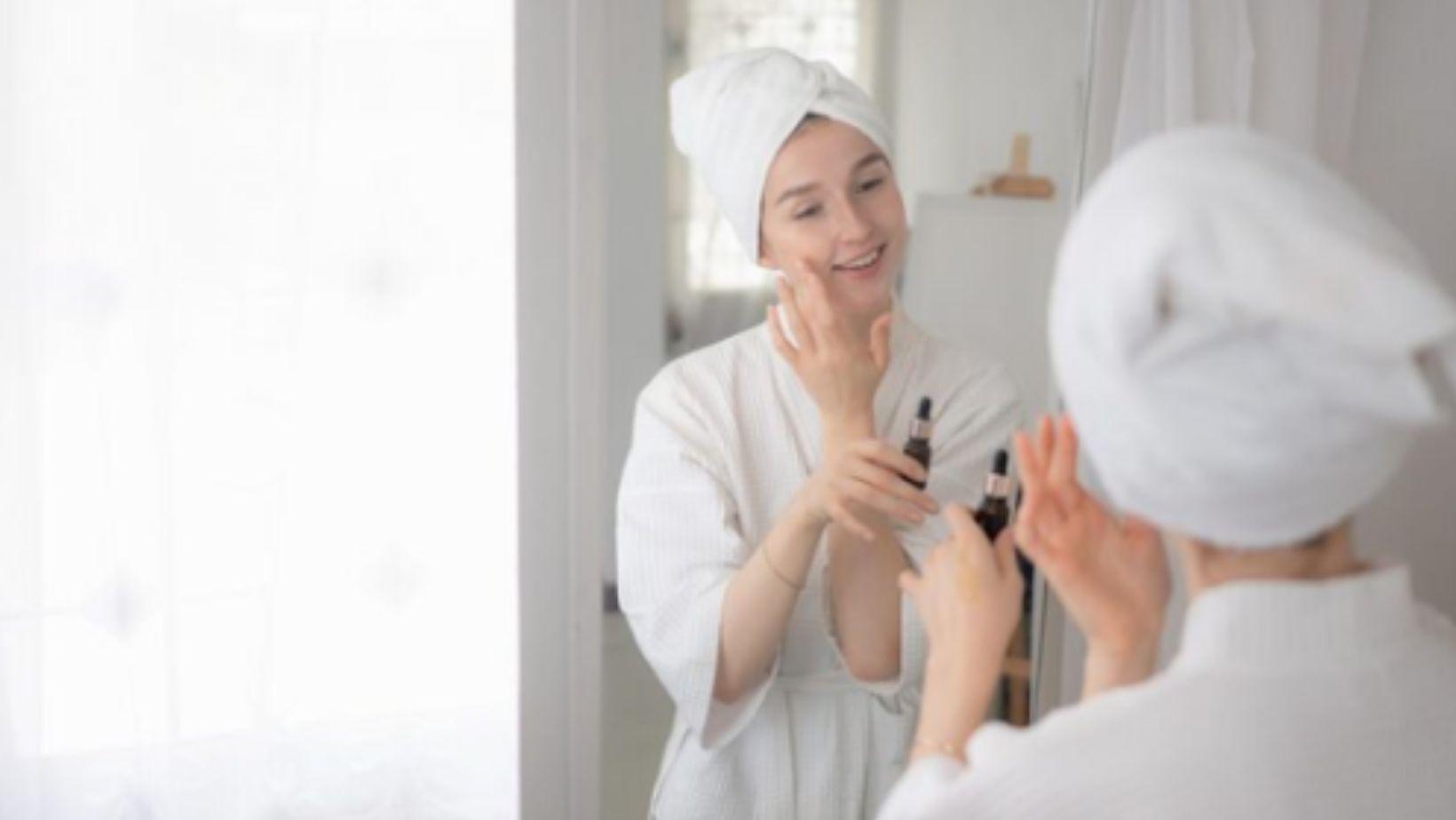
Red light therapy (RLT), sometimes referred to as photobiomodulation, is increasingly becoming part of the skincare and wellness routines of most people. Specialized devices designed for regular use at home have made it possible for them to fit light-based skincare into their existing routine to support a healthier, younger-looking complexion.
The key to getting the optimal benefits from RLT, however, is to view it as a complement to your existing skincare routine and healthy lifestyle habits rather than a replacement for them.
This article explains the right ways to pair your daily habits with red light therapy for everyday skin health support.
The Growing Role of Red Light Therapy in Everyday Skincare Routines
Maintaining the health and appearance of your skin requires consistent effort rather than quick fixes. Cleansing, moisturizing, sun protection, and adequate hydration help in maintaining a natural glow and clear complexion. Adding red light therapy to these practices may improve the results further.
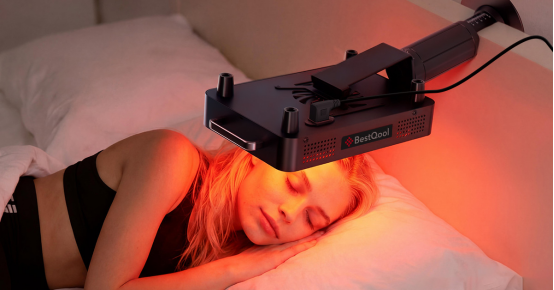
Many people now turn to BestQool at-home RLT devices that use red light, near-infrared light, or a combination of wavelengths in the range of 630 to 850 nm.These wavelengths may support skin health by acting at the cellular level and help you see a range of benefits.
The at-home devices are designed to allow you to add RLT to your skincare routine easily without making any significant changes to your current lifestyle. This convenience matters a lot as wellness habits are likely to be sustained when they are simple, easily repeatable, and fit into your routine activities.
How Red and Near-Infrared Light Can Complement Daily Skin Health Practices
The wavelengths of red and near-infrared light released by red light therapy devices tend to interact with cells and influence certain biological signaling mechanisms.
Regular RLT sessions may improve certain aspects of the appearance of your skin, such as firmness, youthfulness, complexion, and tone, when combined with foundational practices like gentle cleansing, moisturizing, adequate hydration, and daily sunscreen use to protect against ultraviolet exposure.
Using RLT consistently in combination with these practices consistently over a period of time may offer lasting benefits. The timeline for benefits may be influenced by factors such as your age, sun exposure, genetics, nutrition, and sleep adequacy.
Why Consistency Matters When Building a Sustainable Skincare Routine
Consistency is the key to building a sustainable skincare routine with any wellness technology, including RLT.
A sustainable routine built for appropriate, repeatable use is more likely to deliver better, longer-lasting results than occasional intensive efforts. This is why it is important to think in terms of routine, not quick results, when using red light therapy.
Also, the benefits of red light therapy do not become immediately noticeable after a single session. It may take repeated sessions over several weeks to achieve the desired results.
In addition, using your red light device sporadically might make it difficult for you to understand how it fits into your routine or notice changes over time. This marks the importance of consistency in your RLT sessions.
Hence, a practical approach would be to choose a schedule that fits into your everyday life and maintain a few sessions each week to build a sustainable schedule that is easier to continue.
Pairing Red Light Therapy With Sleep, Nutrition, Hydration, and Self-Care
Here are some strategies to pair red light therapy with your existing skincare habits:
· Consider RLT as one element of your skincare routine rather than relying on it as the centerpiece of your wellness plan.
· Maintain adequate sleep, eat a balanced diet, and stay properly hydrated, as these foundational habits are essential for supporting your overall well-being.
· Create space for relaxation. You may consider using a light therapy session as an opportunity to slow down, take a break from screens, or practice another calming activity to build a consistent self-care ritual.
What to Expect From a Consistent Approach to At-Home Light Therapy
Being aware of what an at-home light therapy device can offer can help you set realistic expectations.
Red light therapy, with its longer wavelengths of 630 to 660 nm, may penetrate deeper into the skin, producing far-reaching effects, primarily supporting anti-aging mechanisms. It might rejuvenate your skin by stimulating the production of collagen and elastin.
Collagen and elastin play a key role in maintaining the internal structural matrix of the skin. The increase in the production of these proteins could make the skin firmer and more elastic, thereby reducing the appearance of the signs of aging, such as fine lines and wrinkles.
In addition, red light may also improve blood circulation and reduce inflammation. These benefits of red light therapy might increase the availability of nutrients involved in the healing of damaged tissues, while addressing mild imperfections associated with inflammation, such as rosacea, breakouts, and sun spots.
Thus, the anti-inflammatory properties of red light might rejuvenate the skin from deep within, supporting a healthier complexion and youthful appearance.
However, most studies that supported these benefits used different participant groups, devices, wavelengths, and treatment schedules. Hence, the results may vary depending on your age, treatment duration, frequency, and device specifications.
Making Red Light Therapy a Practical Part of Everyday Wellness
Here are some effective strategies to add red light therapy to your existing skincare habits to ensure it fits naturally into your routine:
· Select a red light therapy device that is suitable for the benefits you are seeking.
· Make sure you follow the recommendations of the manufacturer regarding treatment distance, duration, frequency, and safety precautions.
· Connect RLT to your existing habits to make sessions easier to remember and follow through.
· Continue sun protection, balanced nutrition, adequate sleep, hydration, physical activity, and relaxation.
· Monitor your skin over time and pay attention to gradual changes in the appearance and texture of your skin. You may have to stop using the device and seek appropriate advice if you experience any unexpected reactions such as persistent irritation or discomfort.
· If you suffer from any medical conditions, discuss the use of RLT with a qualified healthcare professional.
· Be cautious of tall marketing claims promising dramatic changes in a short period and remember that RLT is better viewed as a supportive, long-term wellness practice.
Conclusion: Making RLT Part of a Balanced Routine
At-home red light therapy can be an effective addition to your existing skincare routine when approached with realistic expectations and used in combination with essential skincare practices.
The sustainable approach is to choose an appropriate device, use it consistently, and pay attention to how your body responds. Most importantly, it’s important to combine RLT with good sleep, nutrition, hydration, sun protection, and time for relaxation to support a consistent, balanced long-term wellness routine.