
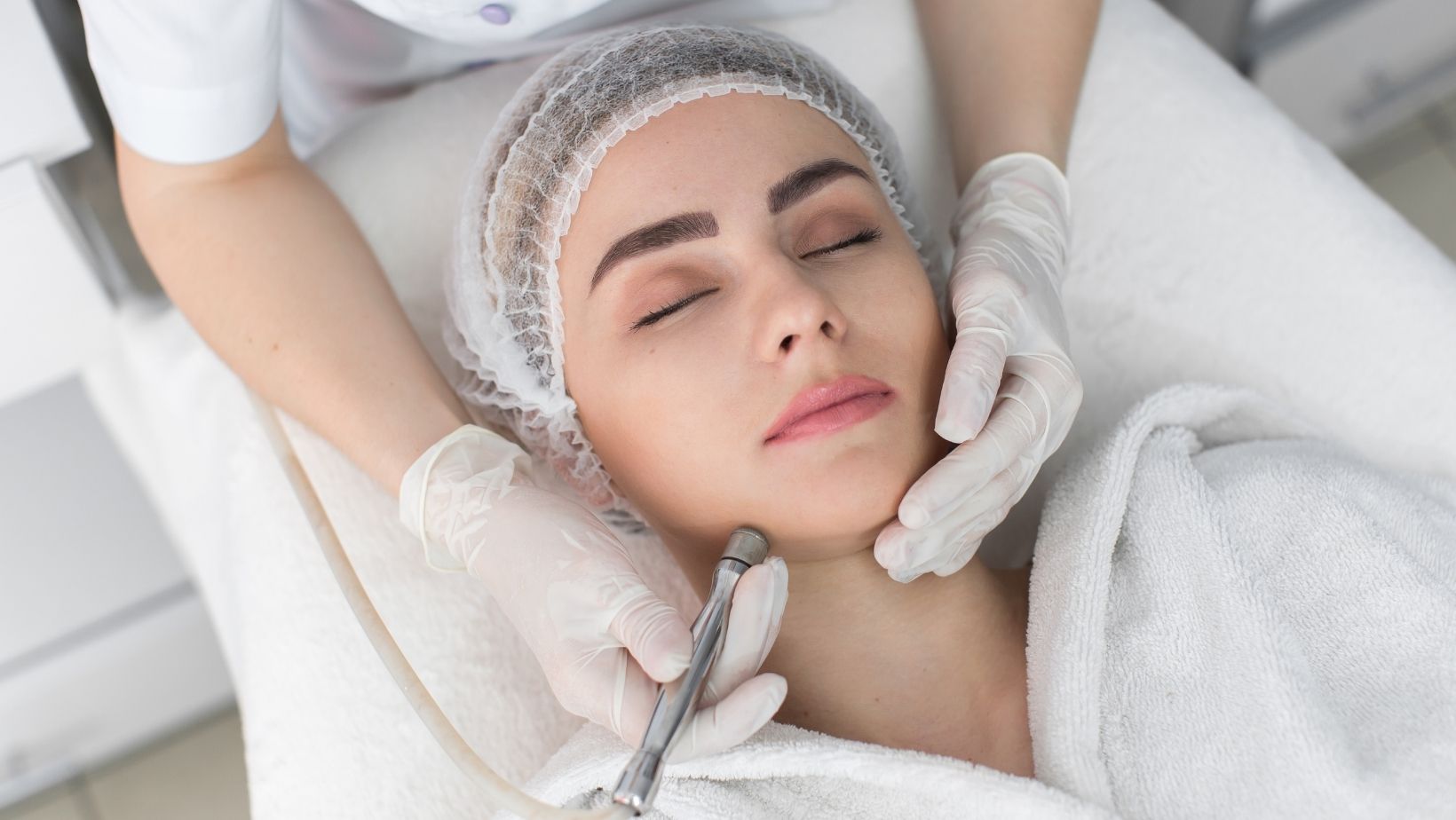
There is a shift happening in how we talk about our faces. For a long time, the conversation was stuck on the surface. We looked at a wrinkle and wanted it gone. We saw a fold and wanted it filled. It was a very reactive way to handle time. But lately, the focus has moved deeper. It is less about chasing the lines and more about the scaffolding underneath. This is the world of structural aesthetics. It treats the face like a building that needs a solid foundation rather than just a fresh coat of paint.
When we are young, the structural integrity of our skin is a given. The layers are dense; the collagen is plentiful. Everything sits where it should because the internal support is robust. As the years pass, that foundation starts to thin out. It isn’t just about the skin getting thinner; it’s about the underlying fat pads shifting and the bone itself slightly receding. If you only treat the very top layer, you are missing the root of the change. This is why deep-tissue support is becoming the lead character in the modern aging narrative.
The Problem With Surface-Level Thinking
Traditional approaches often focused on “filling” a specific gap. You have a nasolabial fold? Put something in it. While that works for a quick fix, it doesn’t always address why the fold is there in the first place. Often, that line is a symptom of volume loss higher up in the cheek or temple. By the time a wrinkle shows up on the surface, the structural decline underneath has been happening for a while.
Focusing only on the surface can sometimes lead to an “overfilled” look. If you keep adding volume to the skin’s top layers without addressing the foundation, the face can lose its natural dimensions. It starts to look heavy. True structural aesthetics aims to avoid this by working with the body’s own biology to rebuild what was lost. It is a slower process; a more thoughtful one.
Rebuilding the Framework from Within
The real magic happens when we stop thinking of treatments as “filler” and start thinking of them as “stimulators.” There is a significant difference between a substance that occupies space and one that tells your body to get back to work. Some of the most advanced options today are designed to act as a scaffold. They are placed deep, near the bone or in the deep dermis, where they trigger a natural response.
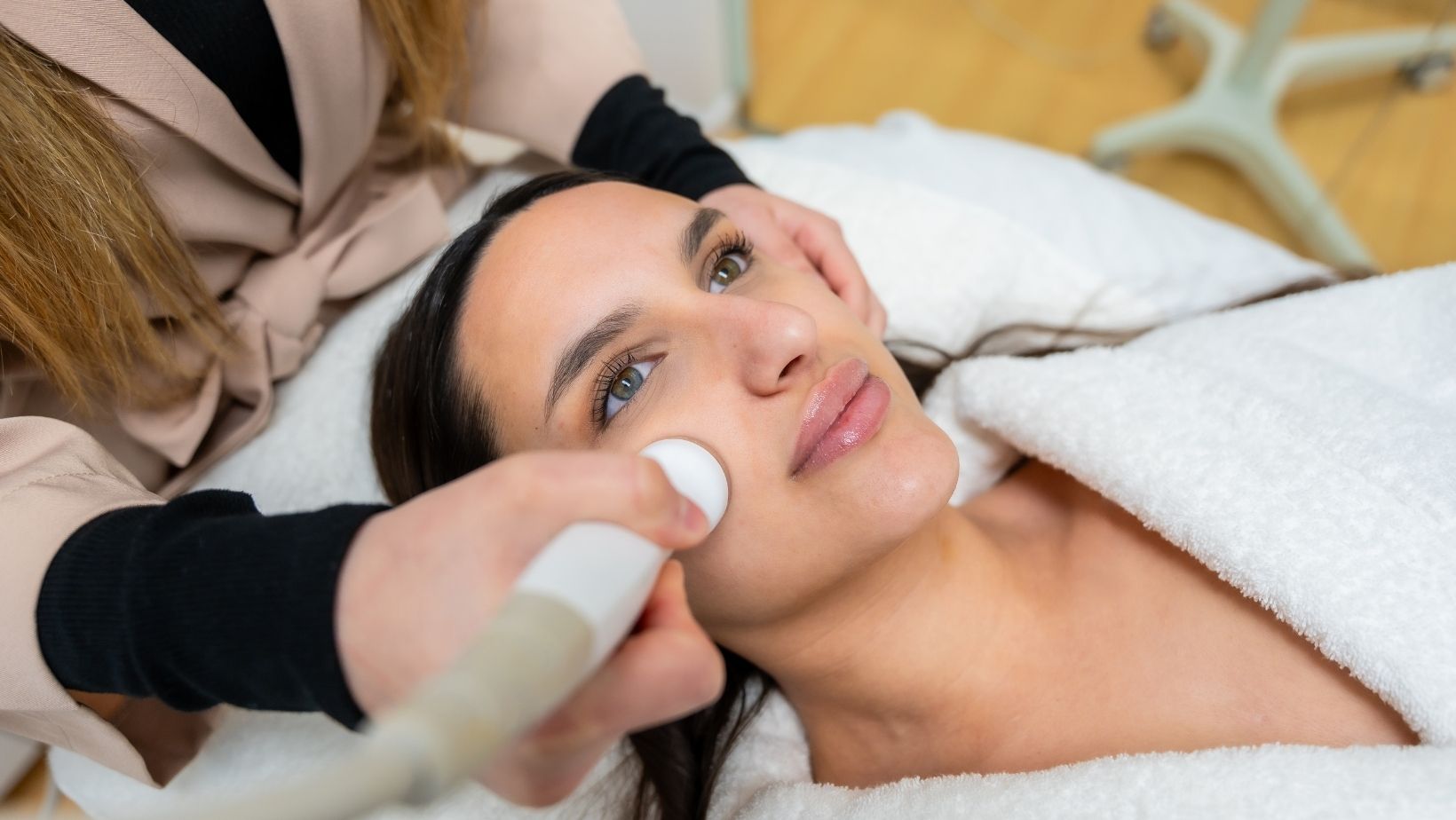
This isn’t about an instant transformation that people notice in the grocery store the next day. It is about a gradual return of firmness. These micro-particles sit in the tissue and act as a signal. They encourage the production of new collagen fibers over several months. Because the change is coming from your own cells, the result is incredibly subtle. It looks like you, just with a bit more structural “bounce.”
If you are looking to invest in this type of long-term facial architecture, it is worth looking into where to order sculptra filler online through reputable medical channels. These types of poly-L-lactic acid treatments are the heavy lifters of the biostimulator world. They don’t just sit there; they disappear while leaving a fresh network of collagen in their wake. This is the definition of a “long game” in aesthetics.
Why Texture and Volume Go Hand in Hand
We often separate skin quality from facial volume, but they are deeply connected. When the deep tissue is supported, the skin on top sits differently. It looks more taut. Light reflects off it more evenly. This is because the “draping” of the skin is determined by the volume underneath.
- Dermal Thickness: Rebuilding the deep layers actually helps the skin feel thicker and less like crepe paper.
- Contour Definition: Supporting the jawline or temples helps reclaim the sharp angles that define a youthful profile.
- Natural Movement: Because the support is integrated into your own tissue, the face moves naturally during expressions.
There is no “frozen” look here because the treatment isn’t paralyzing a muscle or just bloating a fold. It is simply reinforcing the wall. This approach respects the anatomy. It acknowledges that a face is a 3D object that changes in every layer, not a flat canvas.
Shifting the Narrative Toward Prevention
The old narrative of aging was a “wait and see” approach. You waited until the damage was visible and then tried to reverse it. The new narrative is about “prejuvenation.” By supporting the deep tissue earlier, you can potentially slow down the visible signs of sagging. It is about maintenance.
Think of it like maintaining a vintage car. You don’t wait for the engine to fall out before you check the oil. You keep the internal components strong so the exterior stays beautiful for longer. When we focus on deep-tissue support in our 30s or 40s, we are providing a safety net for the skin. We are ensuring that the structural loss that typically accelerates in our 50s has a harder time taking hold.
The Psychological Impact of Subtle Change
There is something to be said for the confidence that comes from a “refreshed” look that nobody can quite pin down. When the changes are structural and gradual, people don’t ask what you “had done.” Instead, they comment that you look well-rested or like you’ve been on a great vacation. This is the goal of modern aesthetics.
It removes the “stigma” of cosmetic intervention because the intervention is working in harmony with your own body. You aren’t fighting nature; you are just giving it a little nudge in the right direction. By focusing on the deep architecture, we move away from the “artificial” and back toward the “authentic.”
The aging narrative used to be a story of decline. Now, it is becoming a story of management and structural integrity. We have the tools to keep the foundation strong, and that changes everything about how we see ourselves in the mirror.