
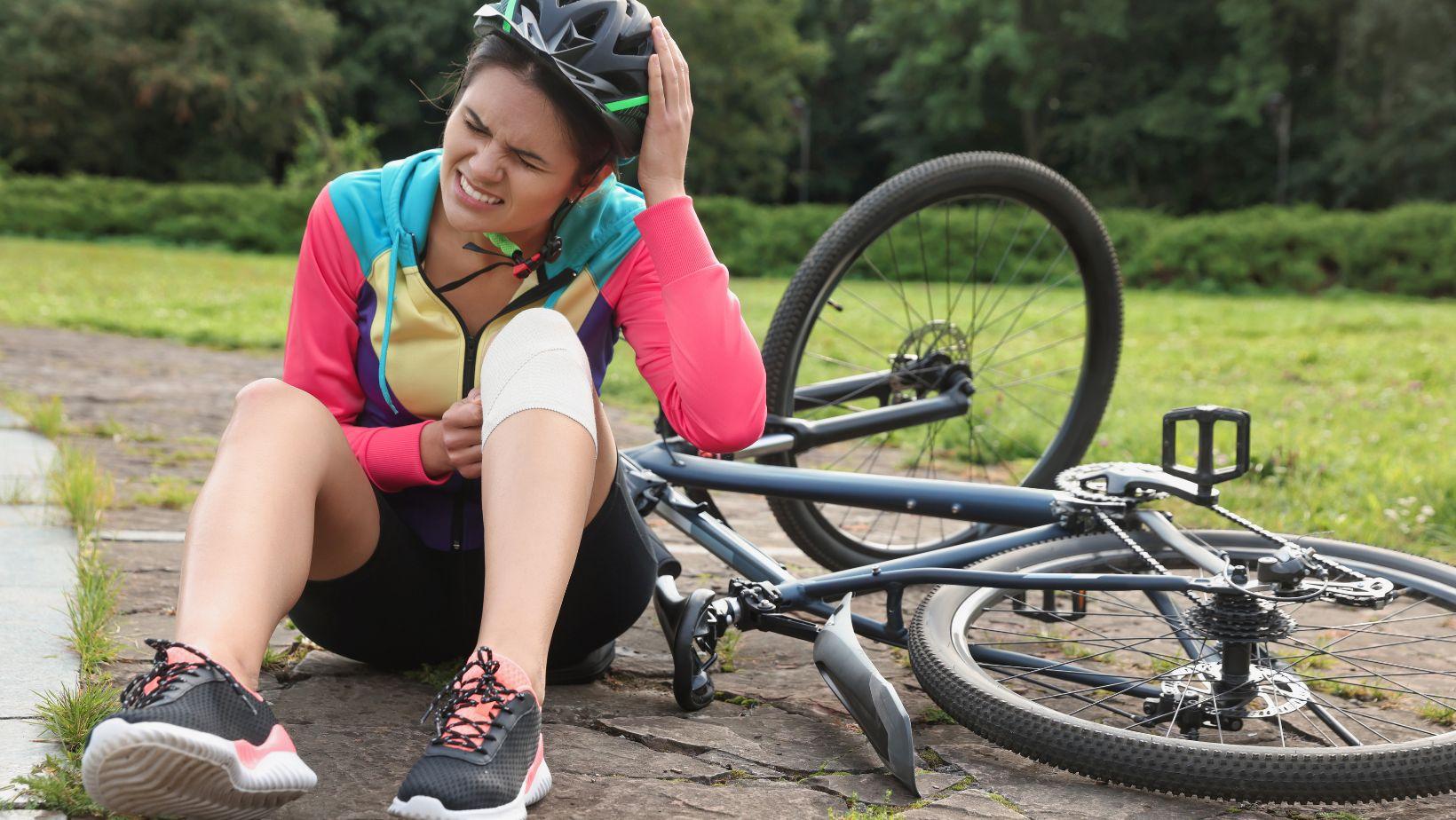
A bicycle crash can change a person’s life in seconds. A driver may turn without looking, open a door into the rider’s path, pass too closely, run a light, or force the cyclist off the road. Because bicyclists have little protection, even a brief collision can cause serious injuries that continue long after the scene is cleared.
The effects may not be limited to broken bones or visible wounds. Many riders deal with lasting pain, anxiety, sleep problems, fear of traffic, and frustration over lost independence. When the physical and emotional effects continue, a bicycle accident lawyer in Chicago, IL can help review how the crash affected the rider’s health, work, daily life, and future.
Pain May Continue After the Initial Treatment
Some bike crash injuries improve with rest and basic care. Others become long-term problems. A rider may still have neck pain, back pain, shoulder pain, knee pain, nerve symptoms, headaches, or joint stiffness weeks or months after the accident.
This can be discouraging, especially when others expect the rider to be “better” once the visible injuries heal. Lasting pain can affect sleep, movement, work, exercise, and mood. It should be taken seriously and documented through medical care.
Soft Tissue Injuries Can Be Hard to Explain
Not every serious injury appears clearly on an X-ray. Sprains, strains, ligament damage, tendon injuries, and muscle trauma can cause ongoing pain even when there is no obvious fracture.
Insurance companies may try to minimize these injuries because they are less visible. Medical records, physical therapy notes, pain management records, and consistent follow-up appointments can help show that the pain is real and connected to the crash.
Head Injuries May Change Daily Life
A cyclist who hits the pavement, a vehicle, a curb, or another object may suffer a concussion or traumatic brain injury. Symptoms may include headaches, dizziness, nausea, memory problems, mood changes, light sensitivity, and trouble concentrating.
These symptoms can interfere with work, reading, driving, conversations, and normal routines. Some riders may feel frustrated because they look fine on the outside while struggling internally. Prompt medical evaluation is important after any head impact.
Road Rash and Scarring Can Leave Lasting Effects
Road rash may sound minor, but severe skin injuries can be extremely painful. Deep abrasions may require cleaning, dressings, infection monitoring, or surgery. Some wounds leave permanent scars or sensitivity.
Scarring can also create emotional distress. A rider may feel self-conscious, avoid certain clothing, or be reminded of the crash every time they see the injury. Photos taken during healing can help show the seriousness of these wounds over time.
Broken Bones Can Affect Mobility for Months
Bike crashes can cause fractures in the wrists, arms, collarbone, ribs, legs, ankles, hips, or face. These injuries may require casts, braces, surgery, screws, plates, or long periods of physical therapy.
Even after a bone heals, the rider may have stiffness, weakness, limited range of motion, or pain with certain activities. A fracture can affect work, household tasks, childcare, and the ability to ride again.
Emotional Trauma May Appear Later
The emotional effects of a bike crash may not show up right away. After the initial shock, a rider may begin to experience symptoms such as:
- Anxiety or fear: Feeling nervous near traffic, cars, or the crash location.
- Irritability or sadness: Mood changes that affect daily life and relationships.
- Nightmares or sleep problems: Reliving the crash or having trouble resting.
- Panic near traffic: Feeling overwhelmed when riding, driving, or walking near vehicles.
- Avoidance: Staying away from the road where the crash happened or stopping cycling altogether.
Emotional trauma can be just as disruptive as physical pain, especially when it changes a rider’s normal routine.
Fear Can Take Away Independence
For many cyclists, biking is more than exercise. It may be transportation, stress relief, recreation, or part of daily identity. After a crash, fear can make the rider feel trapped.
A person who once rode to work or enjoyed weekend rides may now rely on others for transportation or avoid biking completely. This loss of independence can affect confidence, mood, and quality of life. A claim should consider how the crash changed the rider’s freedom, not only the cost of medical care.
Sleep Problems Can Slow Recovery
Pain and trauma often interfere with sleep. A rider may wake up because of discomfort, have nightmares, or feel anxious before medical appointments or travel. Poor sleep can make pain feel worse and reduce the body’s ability to heal.
Sleep problems can also affect work, patience, focus, and relationships. A simple journal noting bad nights, pain levels, medication use, and fatigue can help show how the crash continued to affect daily life.
Mental Health Treatment Can Support Recovery
Counseling or therapy may help riders process fear, anxiety, grief, or trauma after a crash. Seeking mental health care is not a sign of weakness. It can be an important part of recovery.
Therapy records may also help show the emotional impact of the accident. If a rider develops anxiety about traffic, depression from lost independence, or stress from pain and financial pressure, those effects deserve attention.
Daily Notes Can Show What Records Miss
Medical appointments may be short, and records may not capture every struggle. A rider can keep notes about pain, missed work, canceled plans, difficulty sleeping, trouble lifting, fear of riding, or the need for help at home.
These details help show how the injury affects real life. A short, honest record can be especially useful when pain and trauma continue long after the crash.
Damaged Gear and Bike Evidence Matter
The bicycle, helmet, lights, shoes, clothing, and safety gear may help show the force of the crash. Cracked helmets, torn clothing, bent wheels, scraped pedals, broken handlebars, and damaged frames can help explain how the rider was hurt.
Riders should take photos before repairs or disposal. Preserving the bike and gear may help support the injury claim and show that the impact was serious.
Insurance Companies May Minimize Long-Term Effects
Insurance companies may focus on the first medical bills and ignore ongoing pain or emotional trauma. They may argue that the rider should have recovered by now, that fear of cycling is not a real loss, or that pain is unrelated to the crash.
These arguments can be challenged with records, photos, witness statements, treatment notes, and personal documentation. The claim should reflect the full impact of the crash, not just the easiest costs to calculate.
When Recovery Is More Than Physical Healing
A bike crash can leave injuries that last far beyond the first hospital visit. Chronic pain, fear, sleep problems, lost confidence, and emotional trauma can change how a rider works, travels, exercises, and connects with daily life.
Recovery may require medical treatment, therapy, patience, and strong documentation. When a crash causes lasting pain and emotional harm, the rider’s claim should tell the whole story of what was lost and what it may take to move forward.