
When an event runs smoothly, nobody notices the logistics. When it doesn’t, everyone does—especially when food and drink are involved. Warm prosecco, limp salads, melting desserts, or (worst case) unsafe food temperatures can undo months of planning in a matter of minutes.
That’s why mobile cold storage has quietly become one of the most important “invisible” assets in modern event delivery. Whether you’re producing a three-day festival, catering a corporate launch, or running a busy wedding venue, the ability to add reliable refrigeration on demand changes what’s possible—and reduces the risk you’re carrying.
Why “just enough fridge space” rarely survives contact with reality
Most events don’t fail because teams forget the basics. They fail because reality is messier than the forecast: a late delivery, a sudden heatwave, a sponsor activation that doubles footfall, or a menu tweak that adds more chilled components than expected.
Venue cold rooms and back-of-house fridges are often designed for steady-state operations, not peak-demand surges. Events create spikes: short windows where you’re receiving, holding, prepping, plating, serving, and clearing at maximum volume. Mobile cold storage gives you a buffer that absorbs those spikes without forcing compromises elsewhere.
Seven reasons mobile cold storage is essential
1) Food safety isn’t negotiable—and it’s easier to maintain than to recover
Keeping chilled items within safe temperature ranges is the foundation of compliant catering. Under HACCP-based processes, you’re not just aiming for “cold enough”; you’re documenting and controlling risk. Extra refrigerated capacity makes it far easier to:
- separate raw and ready-to-eat foods,
- avoid overloading fridges (which reduces airflow and causes warm spots),
- hold food safely during service peaks and delayed turnarounds.
If you’ve ever tried to manage temperature control while staff are repeatedly opening an overfilled fridge, you’ll know how quickly good intentions fall apart.
2) It protects quality—not just safety
Even when food remains technically safe, temperature swings degrade quality fast. Cream-based desserts weep, cut fruit browns, salad greens wilt, and chilled seafood loses its edge. Drinks are just as sensitive: nobody remembers the band’s third encore if the bar is serving lukewarm beer.
Mobile refrigeration lets you hold products at stable temperatures from delivery through service, which means what guests taste matches what the chef intended. For premium events, that consistency is part of the brand.
3) It reduces waste and keeps budgets honest
Events generate waste in predictable ways: over-ordering “just in case,” spoilage from inadequate storage, and last-minute scrambles that lead to duplicated purchases. Extra cold storage doesn’t eliminate uncertainty, but it gives you options. You can safely hold backup stock, stage items for later service, and avoid throwing away ingredients that could have been used the next day.
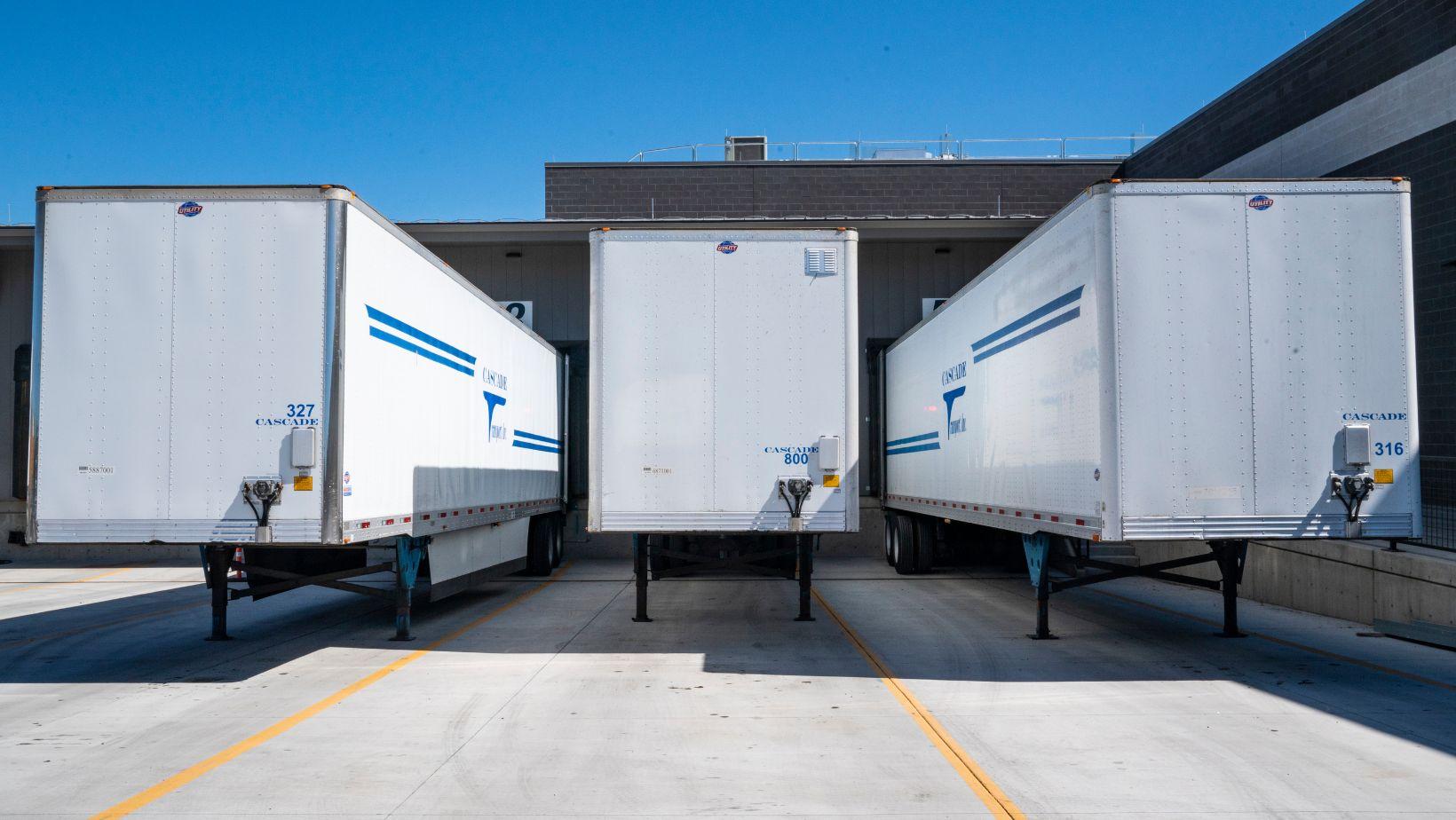
This is also where hiring comes in. Many organisers use temporary refrigerated trailer solutions for a defined period—long enough to cover build, live days, and breakdown—so they can scale refrigeration to the event rather than redesign the menu around a fixed cold room.
4) It improves workflow and speeds up service
Good service is often a storage problem in disguise. If the kitchen is fighting for fridge space, prep becomes fragmented: people spend time walking, rearranging, hunting, and “making it fit.” That friction shows up at the pass and, eventually, in guest wait times.
A dedicated refrigerated trailer can be positioned to support the flow of your site—near prep, close to the bar, or adjacent to a vendor cluster—so teams restock quickly without clogging key routes. In high-volume settings, shaving even 20–30 seconds off repeated runs can translate into smoother service across the day.
5) It gives you menu freedom (and revenue opportunities)
The more chilled components you can store confidently, the more flexible your offering becomes. That matters for:
- festivals adding fresh-food traders rather than only shelf-stable options,
- weddings with dessert stations, cheese courses, or late-night snacks,
- corporate events with plated starters that require precise holding.
In other words, refrigeration capacity influences the kind of experience you can sell. Mobile cold storage can unlock menus that would otherwise be too risky—or too stressful—to execute.
6) It helps you handle weather, seasonality, and site constraints
British events are increasingly dealing with warmer shoulder seasons and sudden hot spells. Heat doesn’t just affect guest comfort; it hits operational performance. Refrigeration has to work harder, ice melts faster, and ambient storage becomes unreliable.
Add in the realities of temporary sites—marquees, pop-up kitchens, rural venues with limited back-of-house infrastructure—and fixed refrigeration often isn’t enough. Mobile cold storage is one of the few tools you can deploy quickly to “weatherproof” your catering plan.
7) It builds resilience: backup for equipment failure and delivery disruption
Cold storage is also contingency planning. Fridges fail. Power trips. Deliveries arrive late. A supplier shows up with an extra pallet you didn’t expect. Without spare capacity, those moments become crises.
With mobile cold storage on site, you can isolate issues and keep moving: transfer stock if a unit goes down, hold additional product if service runs long, or store items securely if the build schedule shifts. For multi-day events, that resilience is often the difference between a minor hiccup and an expensive, reputation-damaging problem.
Making mobile cold storage work: what to think about before you book
Mobile refrigeration is most effective when it’s planned as part of the site system, not treated as a last-minute add-on. A few practical considerations make a big difference:
Start with capacity and product mix. Are you storing drinks, plated components, raw proteins, frozen items, or all of the above? Chilled and frozen needs are not interchangeable, and mixed loads demand thoughtful zoning.
Then consider placement and access. Position the unit where it supports your workflow while staying secure and serviceable. Think about foot traffic, lighting for night access, and whether restocking will interfere with guest areas.
Power is the next question. Confirm supply, cabling routes, and what happens if power is interrupted. If your event is remote, plan for generators and fuel management as carefully as you plan for water and waste.
Finally, build it into your paperwork. Temperature logging, cleaning routines, and stock rotation are easier when the storage plan is clear and assigned—especially when multiple vendors share a site.
Mobile cold storage won’t make an event great on its own. But it does something quietly powerful: it removes a whole category of avoidable risk, while giving chefs, bar teams, and organisers room to deliver the experience you promised. In a world where guests expect more—and margins are tighter than ever—that’s not a luxury. It’s infrastructure.