
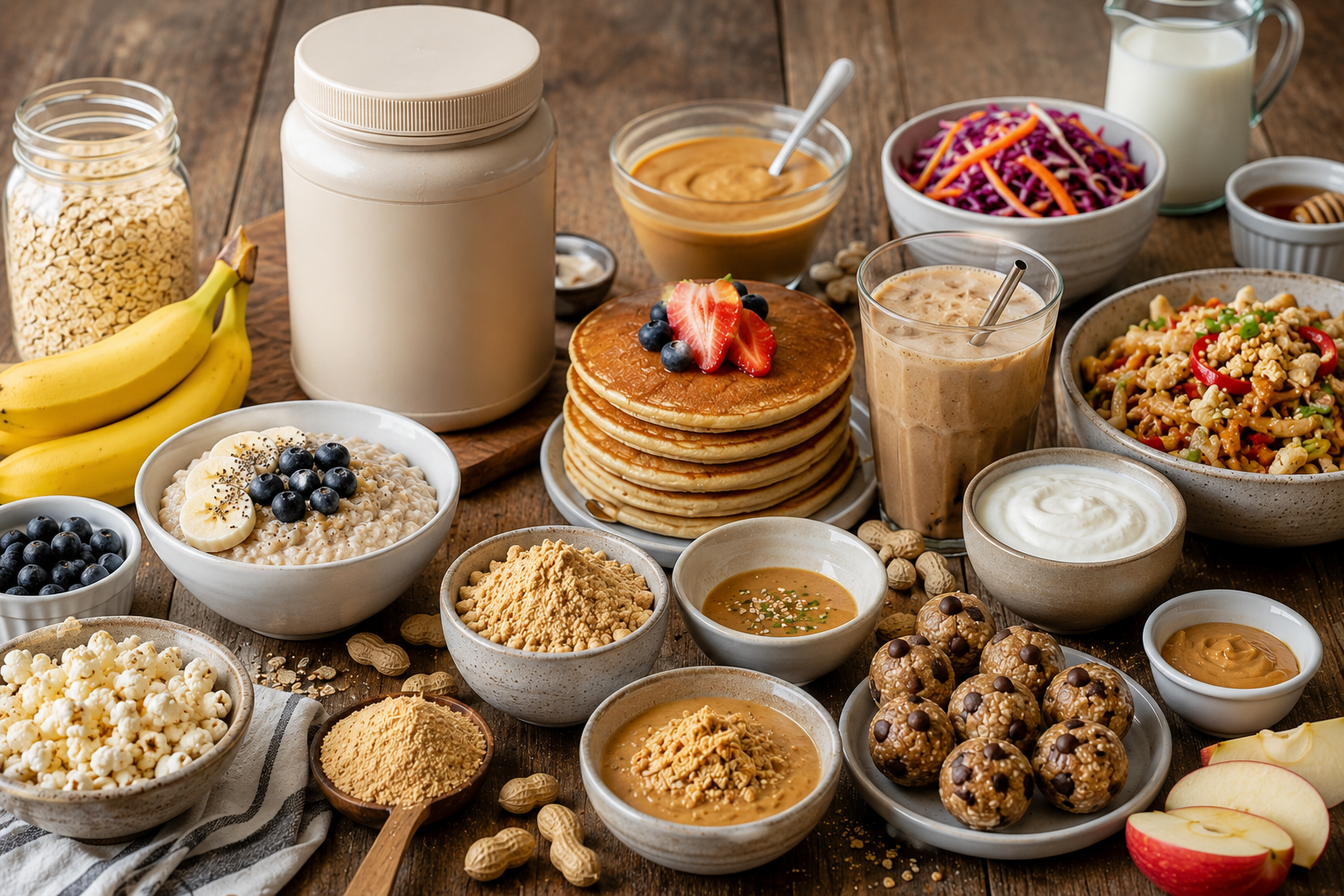
You bought powdered peanut butter for your morning protein shake. It’s been sitting in your pantry for three months, and you’ve used it exactly five times. The jar still looks full because you only reach for it when the blender comes out.
Most people treat powdered peanut butter as a single-use ingredient. Toss a scoop in a smoothie, call it done. But this defatted peanut powder deserves a broader repertoire. With 85 percent less fat than regular peanut butter and the same amount of protein per serving, it works anywhere you want peanut flavor without the oil slick. That includes your stovetop, your oven, and your coffee mug.
Breakfast Innovations: Beyond the Blender
Overnight Oats Formula
Stirring powdered peanut butter directly into overnight oats gives you a protein boost without the separated oil layer that regular peanut butter leaves behind. Mix two tablespoons of powder into your oat base with the milk. The powder hydrates overnight and distributes evenly. Add sliced banana, a drizzle of honey, and chia seeds before refrigerating.
The texture stays consistent. Regular peanut butter clumps in cold oats. The powder dissolves.
Fluffy PB Pancakes
Whisking powdered peanut butter into pancake batter adds six grams of protein per serving without changing the texture. Use three tablespoons per cup of dry mix. The powder incorporates like flour, so you won’t get pockets of peanut butter that burn on the griddle.
For even distribution, mix the powder with your dry ingredients before adding the wet. Top with fresh berries instead of syrup if you want to keep the sugar in check. Or reconstitute a tablespoon of powder with maple syrup instead of water for a peanut butter drizzle that actually pours.
Savory Applications: Expanding Your Culinary Repertoire
Quick Peanut Sauce
Traditional peanut sauce starts with a half-cup of peanut butter and racks up 800 calories before you add the soy sauce. Powdered peanut butter builds the same base at a fraction of the fat.
Whisk four tablespoons of peanut butter powder with three tablespoons of warm water until smooth. Add two tablespoons of soy sauce, one tablespoon of rice vinegar, one teaspoon of sesame oil, a minced garlic clove, and a pinch of red pepper flakes. Adjust the water to reach your preferred consistency. This makes enough sauce for four servings of satay or noodle bowls, and it comes in under 150 calories total.
The powder also works in dry rubs. Combine two tablespoons of powdered peanut butter with smoked paprika, garlic powder, and a touch of cayenne. Pat it onto chicken thighs or pork chops before grilling. The sugars in the peanuts caramelize without the oil causing flare-ups.
Protein-Rich Salad Dressings
Add powdered peanut butter to vinaigrettes for body without cream or excess oil. Start with two tablespoons of powder, one tablespoon of rice vinegar, one teaspoon of honey, and a splash of water. Whisk until emulsified. This works over shredded cabbage, cucumber salads, or grain bowls.
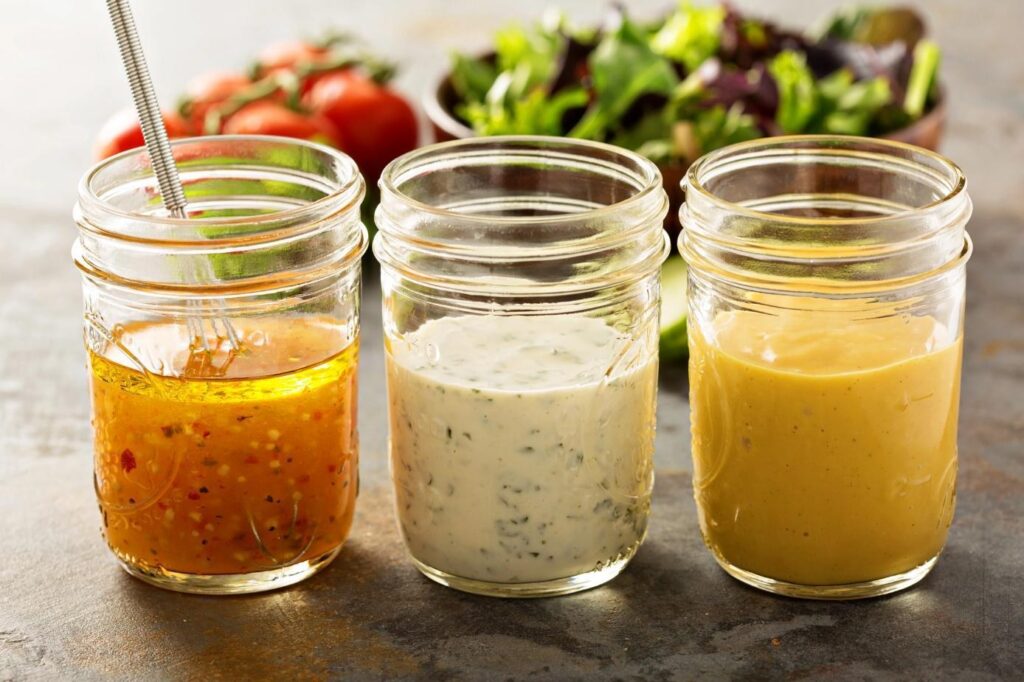
For a richer dressing, reconstitute the powder with coconut milk instead of water. Add lime juice and fish sauce for a Southeast Asian profile. For a lighter, hydrating option, try fresh coconut water.
Powdered peanut butter also thickens broth-based soups. West African peanut stew traditionally uses a quarter-cup of peanut butter. Substitute three tablespoons of powder whisked into the broth. You get the nutty depth without the heavy mouthfeel.
Baking Adventures: Healthier Treats
Low-Fat PB Frosting
Standard peanut butter frosting requires a full cup of peanut butter and a stick of butter. That’s 2,400 calories before you spread it on anything.
For a lighter version, beat four tablespoons of powdered peanut butter with four ounces of softened cream cheese and two tablespoons of honey. Add a tablespoon of milk to thin if needed. This frosts a dozen cupcakes at 60 calories per serving instead of 200.
The powder also folds into brownie and cookie batters without weighing down the rise. Replace a quarter-cup of flour with a quarter-cup of powdered peanut butter in your standard recipe. The texture stays light because you’re not adding fat. The peanut flavor intensifies as it bakes.
Energy Ball Recipes
No-bake energy balls usually rely on nut butter to bind the ingredients. Using powdered peanut butter instead keeps them from turning into greasy pucks in your gym bag.
Combine one cup of oats, half a cup of powdered peanut butter, a quarter-cup of honey, and two tablespoons of mini chocolate chips. Roll into balls and refrigerate. These hold their shape at room temperature better than versions made with regular peanut butter.
The powder also works as a coating. Roll energy balls or protein truffles in powdered peanut butter before chilling for an extra hit of flavor without added calories.
Snacking Solutions: Quick and Nutritious
Popcorn needs fat for seasonings to stick. Spray your popped kernels lightly with cooking oil, then dust with powdered peanut butter and a pinch of salt. The powder adheres without clumping. Add a sprinkle of cinnamon if you want it to lean sweet.
For a faster snack, mix two tablespoons of powder into a cup of Greek yogurt. This turns a 150-calorie snack into a 180-calorie one with an extra seven grams of protein. Layer it in a parfait with granola and berries.
Reconstitute a tablespoon of powder with just enough water to make a thick paste. Use it as a dip for apple slices, celery sticks, or pretzel rods. The consistency stays spreadable without running off the fruit.
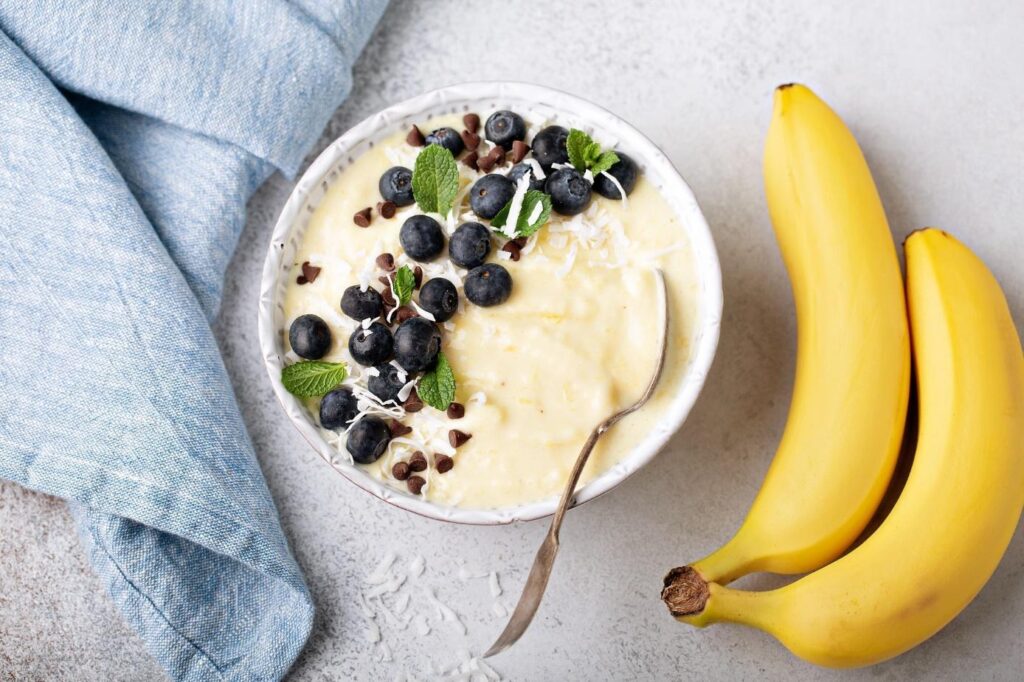
Banana “nice cream” gets a protein upgrade when you sprinkle powdered peanut butter on top. Blend frozen bananas until creamy, scoop into a bowl, and dust with a tablespoon of powder. It tastes like peanut butter ice cream at a fraction of the calories.
Beverage Enhancements: Hot and Cold Options
Stirring powdered peanut butter into hot coffee creates a protein-boosted peanut butter latte. Add one tablespoon of powder to eight ounces of hot coffee with a splash of milk. The powder dissolves completely in the heat. Sweeten with a teaspoon of honey if needed.
This works in hot chocolate too. Whisk two tablespoons of powder into your standard cocoa recipe for a Reese’s-inspired version. The peanut flavor cuts through the sweetness of the chocolate.
For cold drinks, blend a tablespoon of powder into iced coffee with ice and milk. The blender ensures even distribution. You can also shake it with cold brew in a mason jar, though you’ll need to shake vigorously to avoid clumps.
Powdered peanut butter even works in cocktails. Rim a glass with the powder for a peanut butter martini, or shake it with bourbon, coffee liqueur, and cream for a dessert drink. For a mocktail, blend it with cold brew, a frozen banana, and a splash of vanilla extract.
Make It Work for You
Powdered peanut butter stops being a niche ingredient once you stop treating it like one. It thickens sauces, adds protein to baked goods, and flavors both sweet and savory dishes without the fat content of traditional peanut butter. Keep the jar next to your spices instead of your protein powder. You’ll use it more often.
The applications here are starting points. Try the powder anywhere you’d normally add peanut butter but want a lighter result. Adjust the liquid ratios based on whether you need a paste, a sauce, or just a flavor boost. The texture changes with the water content, so start conservative and add more as needed.